US and Iran Make 'Significant Progress' in Nuclear Talks, Will Meet Again Soon
The United States and Iran have made substantial headway in their latest round of nuclear negotiations, with mediator Oman confirming that both sides will reconvene for further discussions in the near future. The talks, which took place in Switzerland on Thursday, are aimed at resolving a longstanding nuclear dispute and preventing potential US military strikes against Iran.
Omani Mediator Announces Breakthrough
Omani Foreign Minister Sayyid Badr Albusaidi declared that "significant progress" had been achieved during the day's negotiations between Iranian and American representatives. In a post on social media platform X, he revealed that technical-level discussions are scheduled to take place next week in Vienna, following consultations in each country's capital.
The Omani minister's optimistic assessment came after indirect talks between Iranian Foreign Minister Abbas Araqchi and US envoys Steve Witkoff and Jared Kushner in Geneva. The discussions consisted of two sessions, one in the morning and another in the afternoon, with both sides exchanging what Albusaidi described as "creative and positive ideas."

Iranian Foreign Minister Describes 'Serious' Negotiations
Iranian Foreign Minister Abbas Araqchi characterized the talks as some of the most serious that Iran has ever conducted with the United States. In an interview with Iranian state television, Araqchi stated, "We reached agreement on some issues, and there are differences regarding some other issues."
He confirmed that the next round of negotiations would occur within a week, emphasizing that Iranian negotiators had clearly articulated their demand for the lifting of US sanctions. Washington has consistently maintained that sanctions relief would only follow substantial concessions from Tehran regarding its nuclear program.
Regional Military Buildup and Trump's Threats
The diplomatic progress comes against a backdrop of heightened military tensions in the Middle East. US President Donald Trump has deployed fighter jets and aircraft carrier strike groups to the region, while warning on February 19 that Iran must reach a deal within 10 to 15 days or face "really bad things."
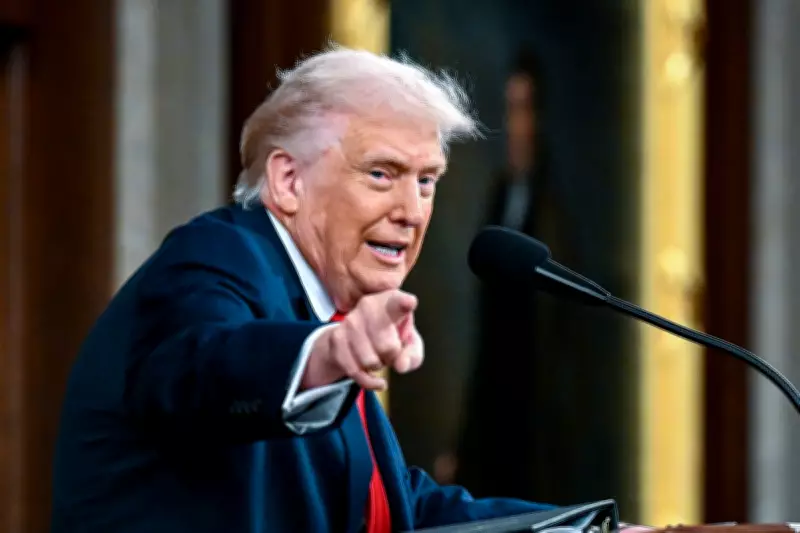
In his recent State of the Union address, Trump reiterated his preference for a diplomatic solution but emphasized that he would not allow Iran to obtain nuclear weapons. The US military has been amassing forces near Iranian waters, raising concerns about potential conflict escalation.
Key Stumbling Blocks Remain
Despite the reported progress, significant obstacles persist in the negotiations. The Trump administration insists that Iran's ballistic missile program and its support for armed groups in the region must be included in any comprehensive agreement.
US Secretary of State Marco Rubio recently described Iran's refusal to discuss its missile program as a "big problem" that would need to be addressed. Meanwhile, Iran maintains that its nuclear program is purely peaceful and has denied seeking nuclear weapons capability.
Iran's Domestic Challenges and Nuclear Position
Within Iran, Supreme Leader Ayatollah Ali Khamenei faces mounting domestic pressures, with the economy struggling under tightened sanctions and renewed protests following major unrest in January. President Masoud Pezeshkian reiterated on Thursday that Khamenei has banned weapons of mass destruction, which he said clearly indicates Tehran will not develop nuclear weapons.
The negotiations represent a critical opportunity to de-escalate regional tensions that have alarmed Gulf oil producers and raised fears of broader conflict. Any substantial movement toward an agreement could reduce the likelihood of US military action against Iran, which many analysts fear could trigger a wider regional war.
The upcoming Vienna talks will test whether the reported progress can be translated into concrete agreements that address both sides' core concerns while averting potential military confrontation.