Washington and Tehran to Hold More Nuclear Talks as Protests Reignite in Iran
In a significant development for international diplomacy, the United States and Iran have announced plans to resume nuclear talks, aiming to address longstanding concerns over Iran's nuclear program. This move comes at a critical juncture, as protests have once again erupted across Iran, highlighting domestic unrest and adding complexity to the geopolitical landscape.
Renewed Diplomatic Efforts Amidst Domestic Turmoil
The decision to hold additional nuclear talks underscores a continued commitment from both Washington and Tehran to engage in dialogue, despite previous setbacks and tensions. These negotiations are expected to focus on key issues such as uranium enrichment levels, sanctions relief, and verification mechanisms, with the goal of reviving or renegotiating aspects of the 2015 nuclear deal, formally known as the Joint Comprehensive Plan of Action (JCPOA).
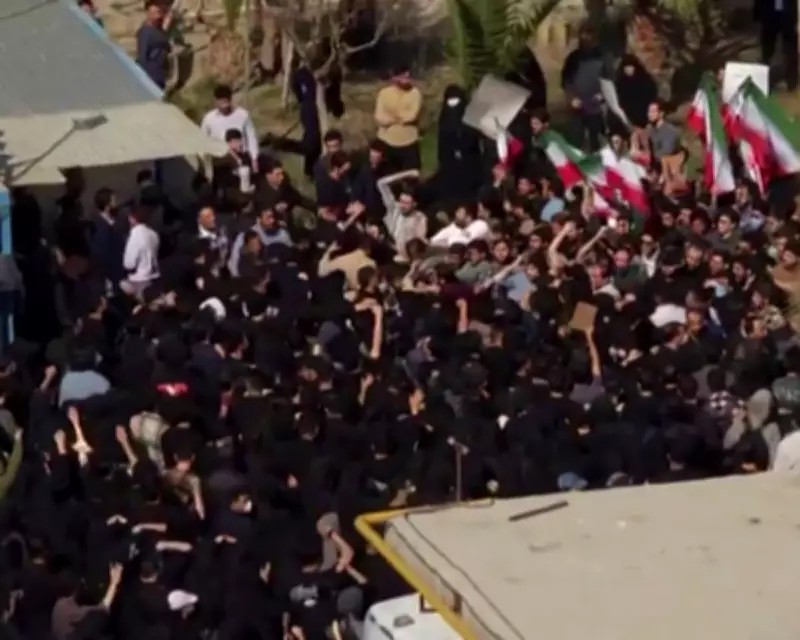
Simultaneously, Iran is witnessing a resurgence of protests, driven by a range of grievances including economic hardships, political repression, and social freedoms. The timing of these demonstrations poses challenges for the Iranian government, as it navigates both internal dissent and external diplomatic pressures.

Implications for Regional and Global Stability
The resumption of nuclear talks between the US and Iran holds significant implications for regional stability in the Middle East and broader international security. Success in these negotiations could lead to reduced tensions and a more predictable nuclear framework, while failure might exacerbate existing conflicts and trigger further sanctions or military posturing.
Moreover, the protests in Iran reflect deep-seated societal issues that could influence the country's negotiating stance. Analysts suggest that domestic instability may either harden Iran's position as it seeks to project strength or create opportunities for compromise as the government looks to stabilize its internal situation.
Key Factors to Watch in the Coming Weeks
- Diplomatic Dynamics: The tone and substance of the upcoming talks will be closely monitored, with attention on whether both sides can bridge gaps on contentious points.
- Protest Momentum: The scale and duration of the protests in Iran will impact the government's focus and could spill over into foreign policy decisions.
- International Reactions: Responses from other global powers, including European nations and regional actors, will play a crucial role in shaping the outcome of the negotiations.
- Economic Considerations: Sanctions and economic pressures remain pivotal, with potential relief or escalation depending on the progress of talks.
As Washington and Tehran prepare for these critical discussions, the interplay between diplomatic efforts and domestic unrest in Iran sets the stage for a complex and potentially transformative period in international relations. Observers are advised to stay tuned for further developments as events unfold.