US and Ecuador Launch Joint Military Operations Against Terrorist Organizations
The United States military has commenced a joint operation with Ecuador, targeting designated terrorist organizations within the South American nation. This initiative represents a substantial new phase in security collaboration between the two countries, as confirmed by the Pentagon on Tuesday night.
Operational Details and Strategic Cooperation
American forces are working alongside Ecuador's military in operations directed at what officials have described as 'designated terrorist organizations.' This campaign is intricately linked to the broader regional fight against drug trafficking networks. According to a US official speaking anonymously to discuss operational matters, American Special Forces are advising Ecuadorian commandos during raids on suspected drug shipment facilities and other locations associated with narcotics operations.
The official clarified that US personnel are not believed to be participating directly in the assaults themselves. Instead, they are providing crucial support by helping Ecuadorian forces plan missions while supplying intelligence and logistical assistance. This advisory role underscores the strategic nature of the partnership.
Visual Evidence and Campaign Scope
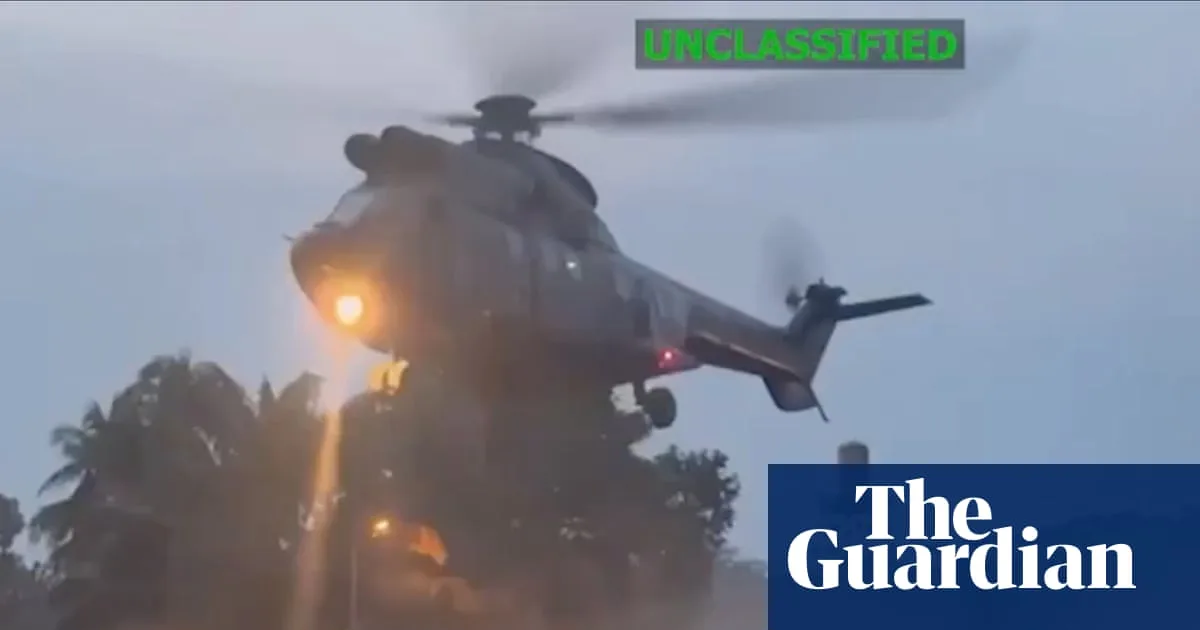
A brief 30-second video released by US Southern Command offers the first glimpse of this new campaign. The footage shows a military helicopter lifting off in dim light before flying across the landscape and collecting soldiers on the ground. A US official indicated that this appears to depict the opening phase of a series of operations expected to unfold across Ecuador.
Some missions may involve American advisers operating nearby while Ecuadorian units carry out the raids, whereas other operations will be conducted solely by Ecuador's military forces. In the specific mission shown in the video, the official noted it was unclear what the target was or whether the operation resulted in arrests or seizures.
Regional Context and Security Challenges
US Southern Command framed the campaign as part of a broader international effort to dismantle criminal networks operating throughout the region. In a statement, the command said, 'The operations are a powerful example of the commitment of partners in Latin America and the Caribbean to combat the scourge of narco-terrorism.'
Across Latin America, drug cartels have long engaged in violent battles with rival gangs and security forces as they attempt to control cocaine production and smuggling routes to the United States. Although Ecuador does not produce cocaine itself, it has become a major trafficking corridor for drugs originating in neighboring Colombia and Peru. The surge in criminal violence tied to these networks has transformed Ecuador into one of the region's most volatile security hotspots.
Diplomatic and Military Coordination
Just days before the announcement of the joint operations, the head of US Southern Command, General Francis L. Donovan, traveled to Quito to meet with Ecuadorian President Daniel Noboa and senior officials. They discussed expanding security cooperation between the two nations. In a statement released on Tuesday, Donovan praised Ecuador's military, saying, 'We commend the men and women of the Ecuadorian armed forces for their unwavering commitment to this fight, demonstrating courage and resolve through continued actions against narco-terrorists in their country.'
President Noboa has increasingly relied on the country's armed forces to combat criminal groups responsible for soaring violence. He has centered much of his presidency on a sweeping crackdown against drug cartels and organized crime, which he says are driving record homicide levels in Ecuador. After meeting with General Donovan, Noboa signaled that Ecuador was entering a new stage of the campaign, writing on social media that the country was 'launching a new phase against narco-terrorism and illegal mining.' He added, 'In the month of March, we will conduct joint operations with our regional allies, including the United States. The security of Ecuadorians is our priority, and we will fight to achieve peace in every corner of the country.'
Broader Hemispheric Security Efforts
The new joint raids come shortly after senior military leaders from across the Western Hemisphere gathered in Washington. General Dan Caine, chairman of the Joint Chiefs of Staff, hosted commanders from multiple countries to discuss deeper coordination against transnational criminal networks and drug trafficking groups. This meeting highlights the regional scale of security challenges.
In recent months, the United States has carried out dozens of strikes against suspected drug-trafficking boats in the Caribbean Sea and eastern Pacific Ocean. US officials state these operations target vessels believed to be transporting narcotics bound for North America. According to publicly known figures, at least 150 people have been killed in 44 such strikes since early September.
Political and Legal Considerations
Ecuador has grown into one of Washington's closest security partners in South America since the return of the Trump administration to the White House last year. The administration has made combating drug trafficking and strengthening border security a central element of its national security strategy. However, some legal scholars specializing in the use of force have criticized the strikes, arguing they could constitute unlawful killings if the individuals targeted were civilians who did not pose an imminent threat.
The White House did not immediately provide additional details about the military activity, but the joint operation had been hinted at months earlier. During a visit to Ecuador last September, Secretary of State Marco Rubio suggested that the United States and Ecuador could work together in coordinated strikes against criminal organizations operating in the country. This foreshadowing aligns with the current operational rollout.




