Deadly Confrontation in Cuban Waters Escalates US-Cuba Tensions
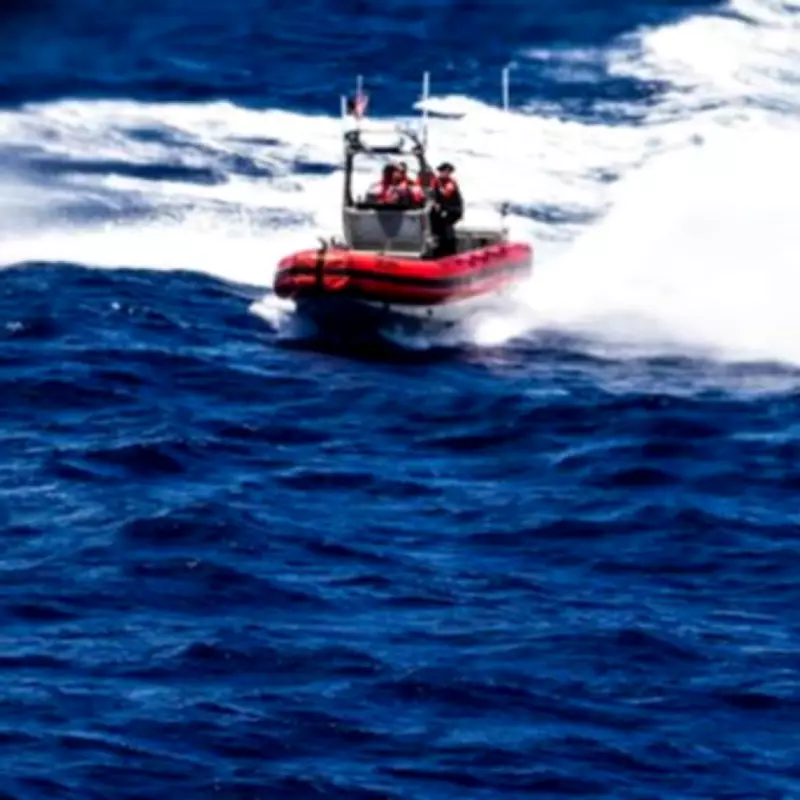
In a dramatic escalation of already strained relations, Cuban authorities have reported a violent incident involving an American-registered speedboat that resulted in four fatalities and six injuries. The confrontation occurred approximately one nautical mile from the Cuban coastline, according to an official statement released by the Cuban Ministry of the Interior on Wednesday, February 25.
Cuban Version of Events
The Cuban government asserts that their Border Guard Troops approached the speedboat for standard identification procedures when the crew of the foreign vessel initiated gunfire. The commander of the Cuban patrol boat sustained injuries during this exchange, prompting Cuban officers to return fire. The subsequent confrontation led to the deaths of four individuals aboard the speedboat, with six others wounded. All injured parties were evacuated and received immediate medical attention.
Cuban officials have emphasized their sovereign right to protect territorial waters, particularly "in the face of current challenges". An investigation by competent authorities has been promised to clarify the precise circumstances of Wednesday's incident.

American Political Reactions
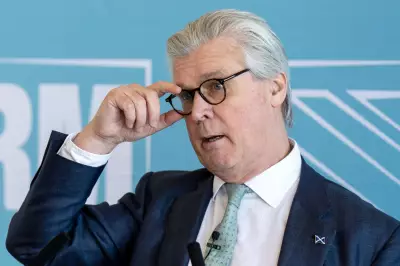
On the American side, Republican Congressman Carlos Gimenez has offered a starkly different interpretation, accusing the Cuban government of "murdering" Americans. In inflammatory remarks, Gimenez declared, "The dictatorship in Cuba has just attacked a boat from Florida and murdered those on board. This regime must be relegated to the dustbin of history."
Gimenez extended his criticism to Jamaican Prime Minister Andrew Holness, who had called for "responsible leadership and constructive dialogue" between the nations. The congressman accused Holness of engaging in a "cover-up for the moribund dictatorship in Cuba" and issued a direct threat: "Jamaica will face the consequences!"
Meanwhile, US Secretary of State Marco Rubio, speaking from St. Kitts and Nevis, indicated that American authorities are actively gathering intelligence to understand the victims and events in Cuban waters. "We have various different elements of the US government that are trying to identify elements of the story that may not be provided to us now," Rubio told reporters.
Broader Context of Escalating Tensions
This violent incident adds explosive new tension to an already volatile relationship between the United States and Cuba. The current crisis has been significantly exacerbated by Trump administration policies, particularly a punitive fuel blockade that has imposed tariffs on any nation trading oil with Cuba. This economic pressure has pushed the island nation toward potential collapse.
Cuba's dependence on imported oil—primarily from Venezuela and Mexico—has created a deepening energy crisis with severe humanitarian consequences:
- Food shortages affecting the general population
- Disrupted water supplies across the nation
- Hospitals operating at breaking point with limited resources
- Ambulances struggling to find fuel for emergency responses
- Widespread blackouts during record-breaking low temperatures
The aviation sector has been particularly impacted, with the Cuban government announcing in early February that it would no longer refuel foreign aircraft. This decision triggered immediate cancellations by regional Canadian airlines, Air Canada, and subsequently Russian carriers Rossiya and Nordwind—devastating Cuba's crucial tourism industry.
Naval Blockade and Regime Change Ambitions
Beyond economic sanctions, the United States has deployed naval forces to patrol the North Atlantic Ocean with the explicit purpose of intercepting oil shipments destined for Cuban shores. According to analysis of shipping data and satellite imagery, Cuban tankers have been largely immobilized for months.

This siege tactic represents the first effective blockade against Cuba since the Cuban Missile Crisis and appears designed to force regime change—an objective explicitly referenced by former President Trump, who warned Cuba to "make a deal before it's too late." In January, Trump further inflamed tensions by sharing a social media post suggesting that Marco Rubio—a Cuban-American former Florida senator—should become president of Cuba, adding the comment: "Sounds good to me!"
The speedboat shooting incident now threatens to push diplomatic relations between the two nations past the breaking point, creating a dangerous flashpoint in Caribbean waters with potentially far-reaching consequences for regional stability and international relations.