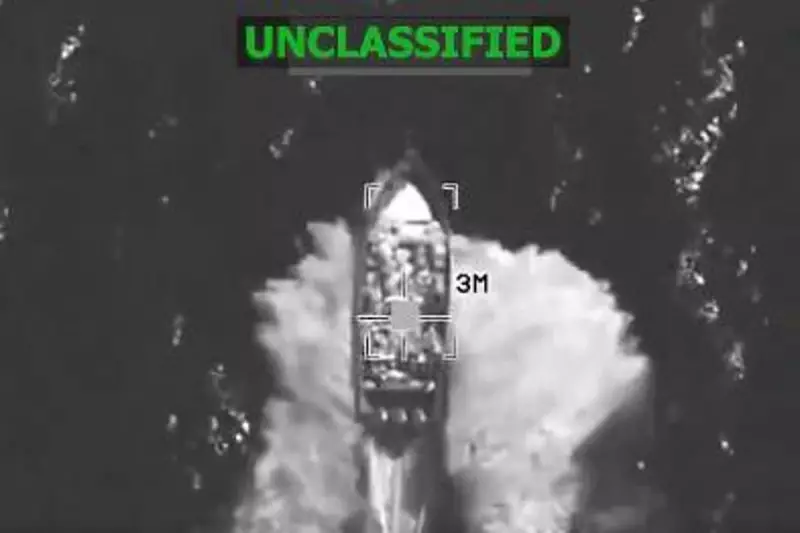
The United States military has officially confirmed that its campaign of strikes against suspected drug trafficking vessels has resulted in 126 fatalities, a figure that includes individuals presumed lost at sea. This announcement, made by U.S. Southern Command on Monday, marks a significant escalation in the Trump administration's declared "armed conflict" against cartels in Latin America.
Breakdown of Fatalities and Attack Details
According to the detailed figures released, 116 people were killed outright in a minimum of 36 separate attacks conducted since the beginning of September. These military operations have been concentrated in the strategic waters of the Caribbean Sea and the eastern Pacific Ocean. A further ten individuals are now believed dead after search and rescue missions failed to locate them following strikes on their vessels.
Previously Unreported Casualties Emerge
Among these presumed fatalities, eight were linked to an incident on December 30th. During an attack by American forces, eight people abandoned boats accused of drug trafficking and were subsequently not found, despite a U.S. Coast Guard search operation at the time. This specific casualty number had not been publicly disclosed until now. The remaining two individuals presumed dead were aboard vessels targeted on October 27th and last Friday.

Political and Legal Controversy Intensifies
President Trump has consistently framed these aggressive tactics as a necessary measure to disrupt the flow of narcotics into the United States, stating the nation is in a state of "armed conflict" with Latin American cartels. However, his administration has faced mounting criticism for providing scant evidence to substantiate claims that those targeted were "narcoterrorists."
Legal experts and Democratic lawmakers have raised profound questions about the overall legality and efficacy of the strikes. Critics point out that a significant portion of the fentanyl causing fatal overdoses in the U.S. is trafficked overland from Mexico, not via maritime routes. The chemicals for its production are often sourced from China and India.
A Contentious Tactical Decision
The campaign faced particularly intense scrutiny following revelations that the military conducted a follow-up strike on survivors of the very first boat attack. This decision sparked a fierce partisan divide. The Trump administration and many Republican legislators defended the action as both legal and strategically necessary. In contrast, Democratic lawmakers and independent legal analysts condemned the killings, with some characterising them as potential murder or even war crimes.
Broader Geopolitical Context: The Venezuela Pressure Campaign
These maritime strikes commenced as part of one of the largest U.S. military buildups in Latin America in generations. This pressure campaign ultimately culminated in the dramatic capture of Venezuelan President Nicolás Maduro by American forces on January 3rd. Maduro was subsequently transported to the United States to face drug trafficking charges.
Since that pivotal raid, there has been only one additional boat strike. The U.S. military focus appears to have shifted somewhat towards seizing oil tankers connected to Venezuela, aligning with the Trump administration's broader strategic efforts to exert control over the South American nation's vital oil resources.
On the domestic political front, Republicans in Congress have successfully thwarted Democratic-led legislative attempts to curtail President Trump's authority to launch further attacks within Venezuelan territory or its surrounding waters, ensuring the policy remains in place.