The United States military has officially confirmed that the death toll from a series of strikes targeting alleged drug trafficking vessels has now reached 126 individuals. This figure includes those who are presumed dead after being lost at sea following the attacks, according to statements released on Monday.
Breakdown of Casualties and Attack Details
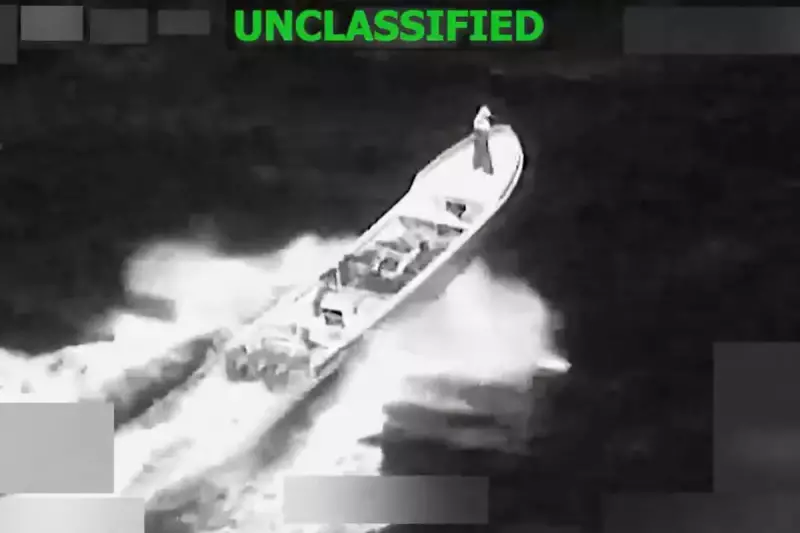
U.S. Southern Command provided a detailed breakdown of the casualties, revealing that 116 people were killed immediately during at least 36 separate attacks conducted since early September. These military operations have taken place across the Caribbean Sea and the eastern Pacific Ocean as part of an intensified campaign against drug cartels.
Presumed Dead After Failed Rescue Attempts
Ten additional individuals are now believed to be dead after search teams failed to locate them following specific strikes. Among these, eight people had jumped from their boats when American forces attacked a trio of vessels accused of drug trafficking on December 30th. Although the U.S. Coast Guard conducted searches for survivors at the time, these eight individuals were never found.

The remaining two people presumed dead were on boats that came under attack on October 27th and last Friday, according to military officials. The total number of casualties had not been previously disclosed, despite earlier announcements about the strikes and subsequent search operations.
Political Justification and Legal Controversy
President Donald Trump has repeatedly stated that the United States is in "armed conflict" with cartels operating throughout Latin America, justifying these attacks as a necessary escalation to combat the flow of illegal drugs into the country. However, the administration has faced criticism for providing limited evidence to support claims that those targeted were actually "narcoterrorists."
Questions About Effectiveness and Legality
Critics have raised serious questions about both the overall legality of the strikes and their practical effectiveness. Legal experts and opposition lawmakers have pointed out that much of the fentanyl responsible for fatal overdoses in the U.S. typically enters the country overland from Mexico, where it is produced using chemicals imported from China and India.
The campaign has drawn particularly intense criticism following revelations that the military conducted follow-up strikes that killed survivors of the initial boat attacks. While the Trump administration and many Republican lawmakers have defended these actions as both legal and necessary, Democratic lawmakers and independent legal experts have described the killings as potential murder, if not outright war crimes.
Broader Military Context and Regional Implications
The boat strikes began during one of the largest buildups of U.S. military power in Latin America in generations, forming part of a broader pressure campaign that ultimately culminated with the capture of Venezuelan President Nicolás Maduro. Following a raid by American forces on January 3rd, Maduro was brought to the United States to face drug trafficking charges.
Shift in Tactics and Congressional Battles
Since that major operation, there has been only one additional boat strike, as U.S. forces have shifted their focus toward seizing oil tankers connected with Venezuela. This forms part of the Trump administration's wider efforts to gain control over the South American country's valuable oil resources.
In Congress, Republican lawmakers have successfully defeated Democratic-led efforts to restrict President Trump's ability to conduct further attacks in Venezuela. This political division reflects the ongoing debate about the appropriate limits of executive power in conducting military operations against alleged drug trafficking networks.
The confirmation of 126 deaths marks a significant escalation in the Trump administration's approach to combating drug cartels, while simultaneously raising profound questions about international law, military strategy, and the effectiveness of such measures in addressing the complex realities of drug trafficking networks.