Traffic Stops on US Army Base Lead to Immigration Arrests, Prompting Legal Scrutiny
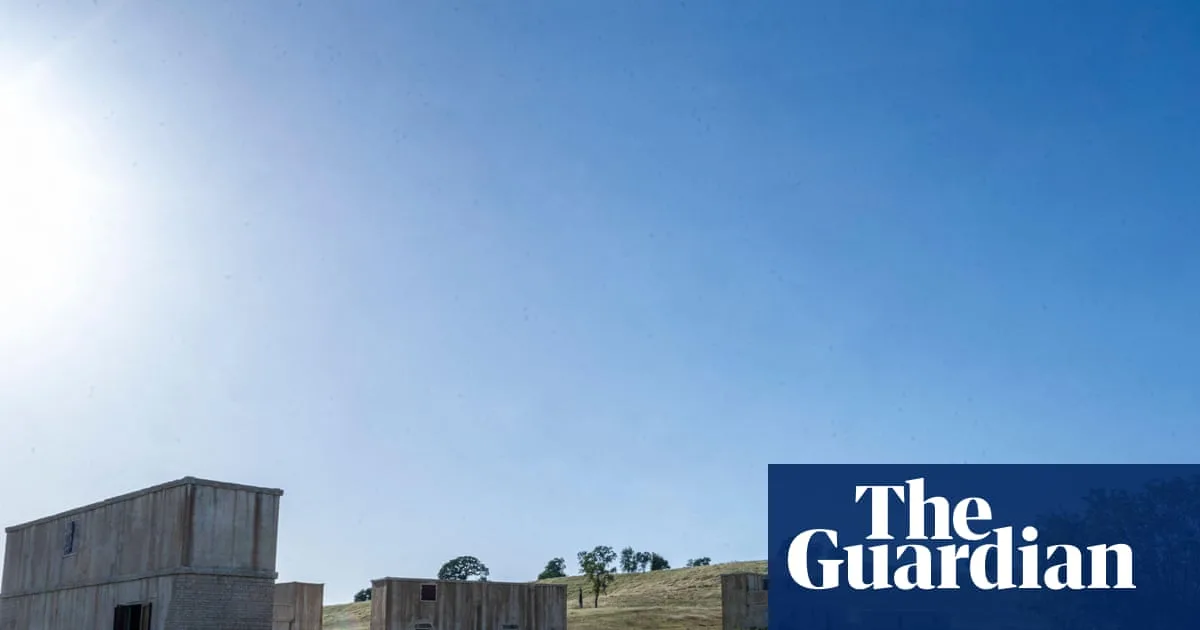
In a series of incidents at Fort Hunter Liggett, a US Army installation in Jolon, California, traffic stops that initially appeared routine have escalated into immigration arrests, sparking significant concerns among legal experts and lawmakers. The arrests, which have ensnared at least 15 men since late December, suggest a troubling collaboration between base police and Immigration and Customs Enforcement (ICE) agents, potentially violating longstanding US laws that restrict military involvement in domestic law enforcement.
Details of the Arrests and Alleged Coordination
Francisco Galicia, a 36-year-old resident of Greenfield, California, was among those arrested after a fishing trip at Lake San Antonio. On January 16, he was pulled over on Jolon Road, a public road that cuts through the military base, for a minor infraction—a license plate light being out. The officer, identified as "Walker" from Fort Hunter Liggett Police Department (FHL PD), requested Galicia's social security number after checking his driver's license, insurance, and registration. When Galicia admitted he did not have one, immigration agents arrived within minutes to arrest him.
Galicia and six other men were held in a cell on the base overnight before being transferred to an immigration facility. Galicia was deported to his hometown in Guerrero, Mexico, days later, separating him from his five US-citizen daughters. Similar accounts have been reported by the Monterey County Solidarity Rapid Response Network, which confirmed multiple cases of arrests following traffic stops along Jolon Road, with individuals detained on base before ICE intervention.
Legal Implications and Expert Analysis
The arrests have raised alarms about potential violations of the Posse Comitatus Act, a 19th-century law that prohibits the use of federal troops for domestic policing unless authorized by Congress. While Fort Hunter Liggett police are civilian employees of the Department of Defense, experts argue their actions may still breach this law. William Banks, a professor emeritus at Syracuse University, described the incidents as a "creep in the wrong direction toward military participation in law enforcement," warning that such practices could set a dangerous precedent for using military resources for political goals.
Rachel VanLandingham, a retired Air Force lieutenant colonel and law professor, noted that asking for social security numbers during traffic stops is unusual and suggests "subterfuge" to bypass Posse Comitatus restrictions. She emphasized that Department of Defense regulations limit such actions to maintaining law and order on military installations, not aiding civilian law enforcement like ICE.
Response from Authorities and Lawmakers
In response to these concerns, California Congress members Zoe Lofgren and Jimmy Panetta sent a letter in February to Homeland Security Secretary Kristi Noem and Secretary of the Army Daniel Driscoll, questioning Fort Hunter Liggett's role in immigration enforcement. The letter cited "serious questions regarding jurisdiction, interagency coordination, statutory authority, and the protection of civil liberties," and highlighted reports of racial profiling.
An Army spokesperson stated that Fort Hunter Liggett does not disclose specific law enforcement operations and has not received directives to work with ICE. However, the spokesperson acknowledged that base police may refer individuals to external agencies if they fail to present proper documentation during stops. Public affairs officer Amy Phillips provided a map showing shared jurisdiction along Jolon Road but declined an interview with the police chief.
Broader Context and Historical Precedents
These incidents occur against a backdrop of increased immigration enforcement under the Trump administration, which has blurred lines between military and immigration duties. In September, a federal judge ruled that deploying National Guard troops in Los Angeles violated the Posse Comitatus Act, leading to their withdrawal. Similar arrests have been reported at other military bases, such as Camp Pendleton in California, where ICE agents have apprehended individuals at entrance gates.
Galicia's deportation has left him grappling with separation from his family, as he adjusts to life in Mexico after two decades in the US. His viral TikTok video warning others to avoid military areas for fishing underscores the personal toll of these policies. As legal and civil rights debates intensify, the Fort Hunter Liggett cases highlight ongoing tensions between immigration enforcement and constitutional protections in the United States.