US Ambassador in France Moves to Mend Diplomatic Rift After Skipping Summons
The United States ambassador to France has taken steps to defuse a fresh diplomatic disagreement with Paris, following his decision to skip a formal summons from French authorities. The summons was issued in response to comments made by the Trump administration regarding French domestic politics, specifically in relation to the tragic death of a student activist.
Ambassador Kushner Reaches Out After No-Show
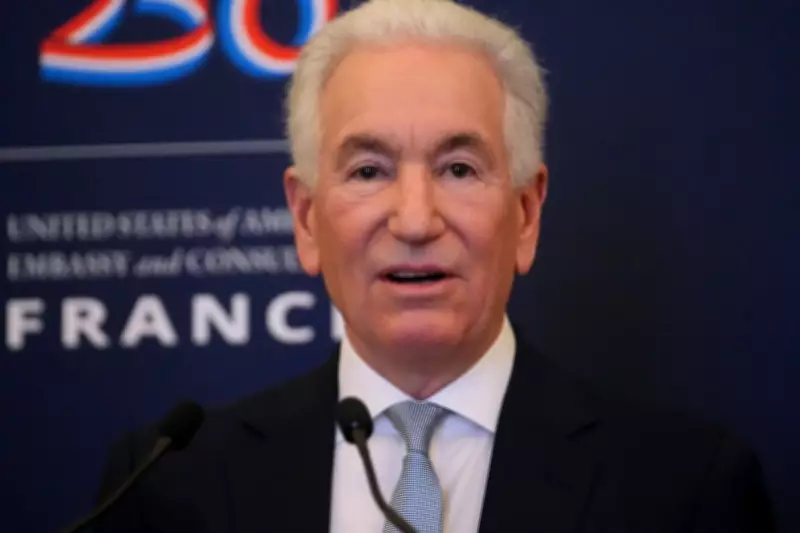
Ambassador Charles Kushner, who is the father of former US President Donald Trump's son-in-law and advisor Jared Kushner, failed to attend a meeting scheduled for Monday evening at the French foreign ministry. This prompted French Foreign Minister Jean-Noël Barrot to declare on Tuesday morning that the ambassador's absence would negatively impact his ability to perform his duties in France, potentially limiting his access to government officials.
However, later on Tuesday, Kushner telephoned Barrot directly, according to the minister's office. During the call, the two diplomats agreed to meet in the coming days, marking a significant step toward resolving the escalating tension. The US Embassy in Paris had not responded to multiple requests for comment throughout the incident.

Origins of the Diplomatic Dispute
The controversy stems from social media posts by the US State Department's Counterterrorism Bureau last week, which commented on the death of Quentin Deranque, a 23-year-old far-right activist and student. Deranque was beaten during clashes between far-left and far-right groups in Lyon earlier this month and subsequently died from brain injuries.
The US statement, posted on X and shared by the US Embassy in Paris in French, asserted that "violent radical leftism is on the rise and its role in Quentin Deranque's death demonstrates the threat it poses to public safety." The French government viewed this as unacceptable interference in its internal affairs, leading to the summons for Ambassador Kushner.
French Stance on Foreign Interference
Foreign Minister Barrot emphasized that France cannot tolerate external meddling in its political debates. In his conversation with Kushner, Barrot reiterated this position, and the ambassador reportedly acknowledged it, expressing his commitment to avoid interference and reaffirming the longstanding friendship between the two nations.
Prior to the phone call, Barrot had publicly criticized Kushner's no-show as a breach of diplomatic protocol. "It will, naturally, affect his capacity to exercise his mission in our country," Barrot stated in an interview with France Info. He added that for an ambassador to function effectively, access to government members is essential, and such summons are routine when explanations are required.
Broader Implications and Historical Context
Despite the friction, Barrot clarified that the incident should not damage the overall relationship between France and the United States. "Not showing up is his personal responsibility," he noted, distinguishing the ambassador's actions from bilateral ties.
This is not the first time Ambassador Kushner has been summoned by French authorities. In August of last year, he was called in over a letter he sent to French President Emmanuel Macron, accusing France of insufficient efforts to combat antisemitism. On that occasion, Kushner also did not attend personally, instead sending his deputy, and the foreign ministry labeled his allegations as "unacceptable."
The latest episode underscores the delicate balance in international diplomacy, where public statements can quickly escalate into formal disputes, requiring careful navigation to preserve alliances and mutual respect.