
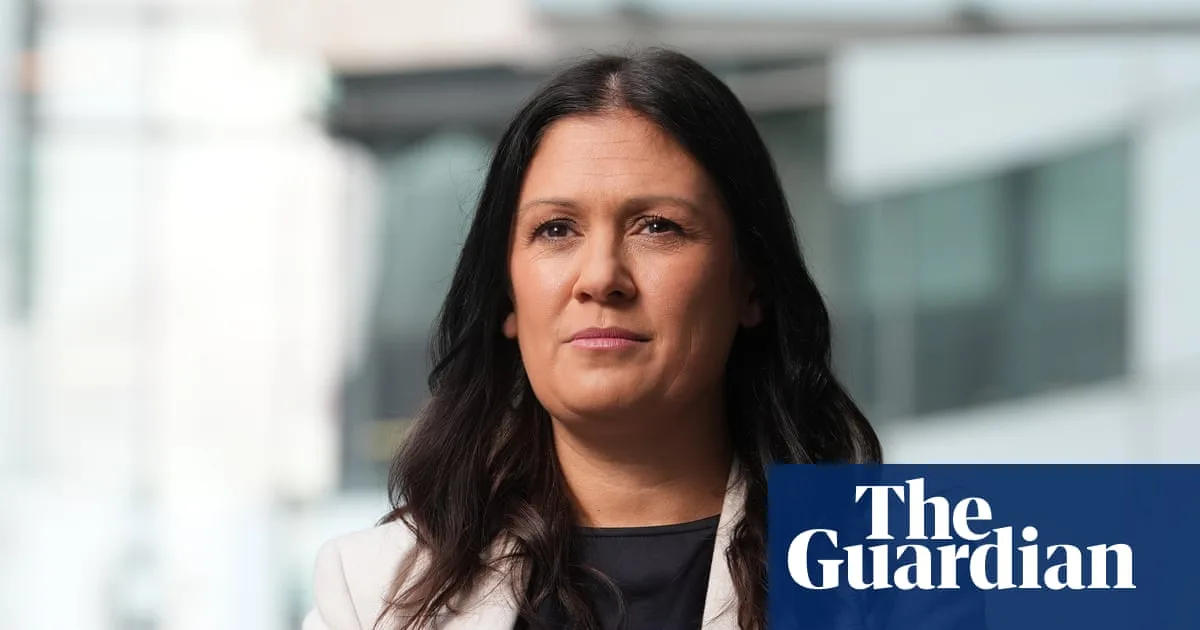
Culture Secretary Lisa Nandy has insisted the UK’s position on Greenland is “non-negotiable”, as European nations push back against Donald Trump’s decision to impose 10% tariffs on Nato allies that have deployed troops to the territory. The US president announced the tariffs would apply from 1 February to countries including the UK, France and Germany, and would rise to 25% by 1 June if a deal to buy Greenland had not been reached.
Speaking to Sky News, Nandy said the future of Greenland was for its people and the kingdom of Denmark alone. “We’ve been consistent about that. That is a view that we’ve expressed to our friends and allies in the American administration,” she said. When asked whether the UK would retaliate with its own tariffs, Nandy declined to specify, saying the government would instead hold conversations with US counterparts about collective security.
Prime Minister Sir Keir Starmer had earlier called Trump’s tariff plan “completely wrong”, reiterating that Greenland is part of Denmark and its future is a matter for Greenlanders and Danes. He stressed that Arctic security concerns Nato allies and that applying tariffs for pursuing collective security was misguided. The government intends to raise the issue directly with the US administration.
Opposition politicians also condemned the tariffs. Conservative leader Kemi Badenoch said Trump was “completely wrong” and that the sovereignty of Greenland should be decided only by its people. Nigel Farage called the tariffs harmful and suggested the UK should examine Diego Garcia if Greenland were vulnerable. Liberal Democrat leader Ed Davey urged Starmer to stand firm against the “bully in the White House” and work with European and Commonwealth allies to make Trump back down.




