Australia to Save $1.7B by Reducing EV Tax Break from 2027
Australia to Save $1.7B by Reducing EV Tax Break

Winding back the fringe benefits tax exemption for electric vehicles will save taxpayers $1.7 billion over four years, the treasurer says.

Changes to EV Tax Incentive

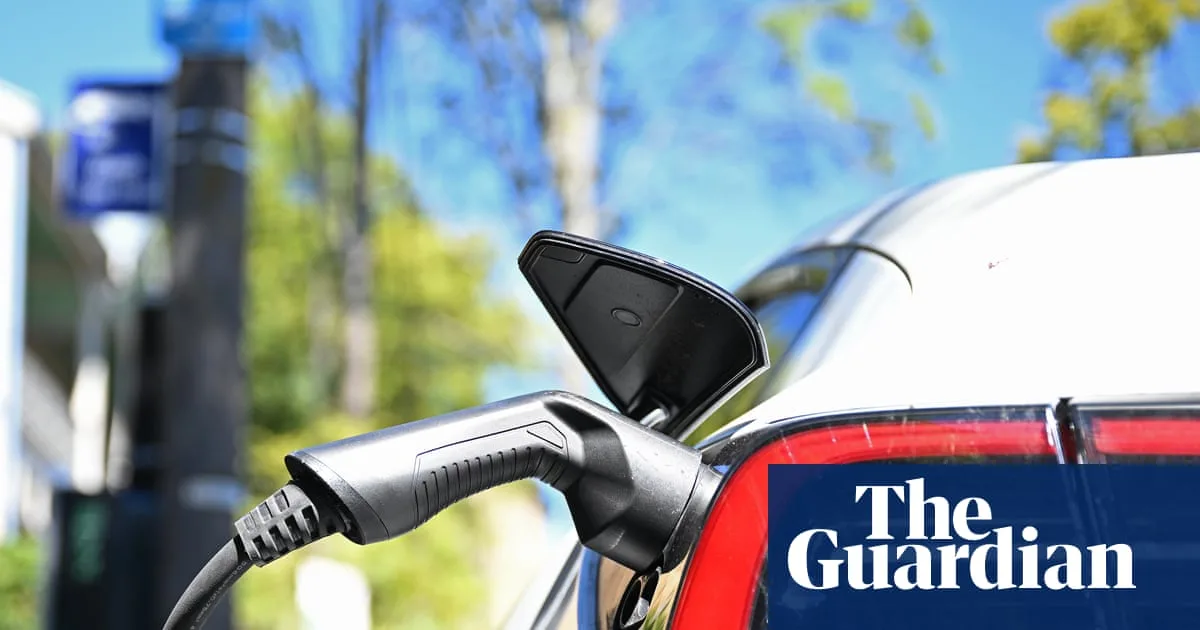
A tax break for electric vehicles, which the government's economic advisory body has criticised as costly and inefficient, will be retained in the budget but in a reduced format to rein in costs. The incentive allows employers to avoid paying fringe benefits tax on EVs under $91,387 purchased through a novated lease. From April 2027, it will be transitioned to a 25 per cent discount.

Treasurer Jim Chalmers and Energy Minister Chris Bowen announced the changes on Tuesday. The cost of the tax break to the federal budget has blown out from an initial $90 million to $1.35 billion in 2025/26 and was expected to rise to $3 billion by 2028-29. The phased tightening will save taxpayers $1.7 billion over four years from the 2026/27 budget.

Wide Pickt banner — collaborative shopping lists app for Telegram, phone mockup with grocery list

New Thresholds and Discounts

From April 2027, the full tax discount will only apply to EVs costing $75,000 or less. Vehicles above $75,000 but below the luxury tax threshold will receive only a 25 per cent discount. All EVs below the luxury tax threshold will then receive only the 25 per cent discount. The luxury tax threshold is $91,387 but rises annually with inflation.

EVs eligible for the discount will continue to be exempt from import tariffs. The changes will deliver a fairer and more financially sustainable tax treatment for EVs, Chalmers and Bowen said in a joint statement.

Rapid EV Uptake

Growth in the scheme has coincided with a rapid take-up of electric vehicles, accelerated by the conflict in the Middle East sending oil prices soaring. EVs made up 14.6 per cent of all new car sales in March, up from 7.5 per cent in March 2025, according to the Federal Chamber of Automotive Industries.

While the scheme has encouraged EV uptake, the Productivity Commission found it was the most costly of the government's current policies to reduce carbon emissions, at $987 to $20,084 per tonne of CO2 abated.

Criticism of the Scheme

Lachlan Vass and Amy Tramontozzi, researchers at independent think tank e61 Institute, identified two major flaws. The incentive increases with vehicle cost, encouraging purchases of more expensive EVs. Secondly, the subsidy increases with buyer income, disproportionately benefiting high-income earners. They argued that reprioritising funds to expand EV charging infrastructure would be more effective.

Budget Context

The changes come as Labor attempts to rein in a forecast $36.8 billion deficit in the 2025/26 budget, to be released on May 12. The government will save more money than it spends and bank upward revisions to revenue, Chalmers said.

Reactions

Clean-energy advocates welcomed the decision, saying incentives remain crucial to accelerating Australia's EV transition. Rewiring Australia chief executive Francis Vierboom said the government recognised EV incentives still play an important role.

'This is good news, but it is not mission accomplished,' Vierboom said. 'Even in a record-setting month, six in seven new car buyers still chose a petrol car. That tells us we are still at the foothills of the switch to electric.' The exemption has helped more Australians get into EVs, but Australia still has a long way to go to reach mass adoption.

Pickt after-article banner — collaborative shopping lists app with family illustration