Four Years of Conflict: Ukraine's Grinding War of Attrition
Today marks four years since Russian tanks first advanced towards Kyiv, initiating Vladimir Putin's full-scale invasion of Ukraine, which he termed a "special military operation." The initial assault was repelled, surprising many, and Volodymyr Zelenskyy's government remained intact to coordinate national defences. What has followed is widely perceived as a brutal war of attrition, with Russia making incremental gains in territories previously destabilised by Moscow-backed separatists.
The Human Toll and Infrastructure Devastation
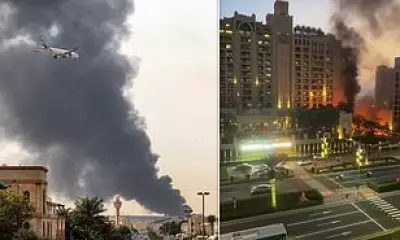
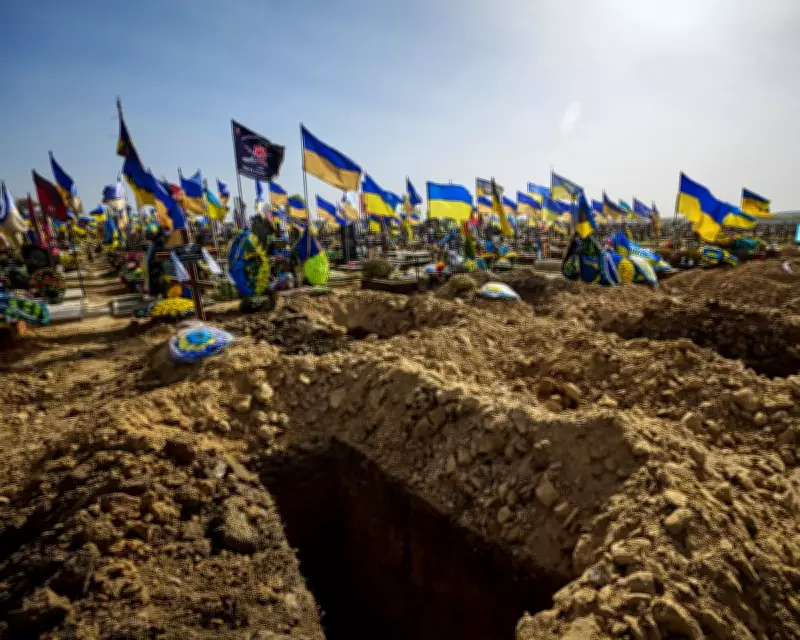
Ukraine has endured relentless aerial assaults on its infrastructure, which Western support, including sanctions, air-defence systems, and fighter jets, has struggled to halt. Peace initiatives have emerged and faded, with varying degrees of sincerity. The human cost is staggering: a report by the Washington-based Center for Strategic and International Studies estimates Russia has incurred about 1.2 million casualties, including up to 325,000 deaths, while nearly 600,000 Ukrainian troops have been killed, wounded, or gone missing. Official sources are more conservative, with Zelenskyy conceding 55,000 Ukrainian service personnel killed.
Francis Farrell, a Ukraine-based reporter with the Kyiv Independent, describes a sense of permanent exhaustion in Ukraine, coupled with unwavering determination. He notes that the war experience varies widely, even within cities like Kyiv, where recent energy infrastructure attacks leave residents with only two to three hours of electricity daily. Access to water, heating, and elevators depends on one's apartment floor.

Western Misunderstandings and Diplomatic Theatre
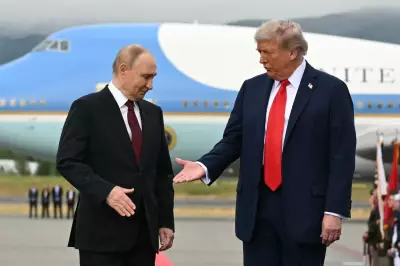
Farrell expresses frustration that Western audiences and leaders often seem more fatigued by the war than Ukrainians themselves. He emphasises that this conflict is viewed as a struggle for democratic values, making distrust towards leaders like Donald Trump, who display contempt for those values and warmth towards dictators, particularly acute. Ukrainians weary of diplomatic "theatre" required to maintain U.S. support, as highlighted by Trump's 2025 Oval Office spat with Zelenskyy.
Zelenskyy's approval ratings have fluctuated amid corruption scandals, but Farrell notes most Ukrainians separate such issues from the president personally. Zelenskyy's decision to dismiss chief of staff Andrei Yermak over corruption allegations demonstrated prioritising national duty over loyalty. Polling shows less than 10% of Ukrainians favour holding elections during wartime, with many viewing Zelenskyy as the essential leader guiding Ukraine through the conflict.
Frontline Realities and Media Challenges
Farrell corrects Western misconceptions about the battlefield, describing it not as "bogged down" but as an attritional war of position. Russia deploys resources to degrade Ukraine's defences, often using "single-use infantry"—a euphemism for cannon fodder. The frontline's stability is not guaranteed by international aid alone but by human endurance, which is finite. Increased danger from drones has reduced media reporting from the front, with journalists being targeted up to 20km away.
Looking ahead, Farrell is sceptical of imminent peace deals, viewing them as diplomatic theatre aimed at influencing Western partners. Russia's core demand remains Ukraine's political and military capitulation, unchanged since the invasion began with an attack on Kyiv. The defining question is whether Europe will act based on Russia's ambitions rather than hoping for a negotiated shortcut.
In summary, four years into a war many predicted would last weeks, Ukraine faces a grinding conflict with immense casualties. The path forward depends on sustained Western support and a clear-eyed recognition of the realities on the ground, as the human cost continues to mount relentlessly.