
Ukrainian President Volodymyr Zelensky has announced that proposals for a peace deal to end Russia's nearly four-year invasion could be finalised in the coming days, marking a potential historic breakthrough.
Berlin Talks Yield 'Very Workable' Draft Plan
Speaking late on Monday night, President Zelensky revealed that a draft peace plan discussed with American officials during talks in Berlin earlier that day is 'very workable'. He described the atmosphere of the discussions as positive, stating they demonstrated a clear unity between the US, Europe, and Ukraine.
If the plans are finalised, they will be presented to the Kremlin ahead of further possible meetings in the United States next weekend. The US has indicated there is consensus from Ukraine and Europe on roughly 90% of the proposed peace framework.
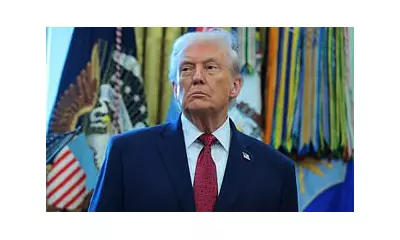
Former US President Donald Trump added to the cautiously optimistic tone, remarking, 'I think we're closer now than we have been, ever' to achieving a peace settlement.
Land and Sovereignty Remain Key Obstacles
Despite the progress, President Zelensky issued a stark warning that critical issues remain unresolved. The most difficult obstacle is the fate of Ukrainian territory currently occupied by Vladimir Putin's forces.
Zelensky reiterated that Kyiv categorically rules out recognising Moscow's control over any part of the Donbas, the economically vital eastern region comprised of Luhansk and Donetsk. He clarified a proposed American compromise for a 'free economic zone' in Donbas, stressing it 'does not mean under the control of the Russian Federation'.
This stands in direct opposition to Moscow's demands, which include recognition of its claimed annexation of Crimea in 2014 and all areas its military has seized in four other key regions.
Western Unity and Continued Pressure on Moscow
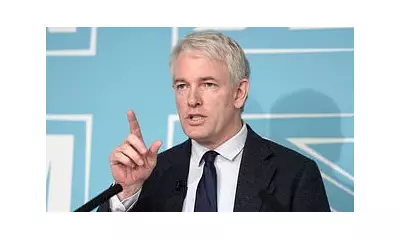
UK Defence Secretary John Healey told a virtual meeting of the Ukraine Defence Contact Group that the war is at a 'major moment' following the apparent breakthrough. He cautioned, however, that pressure on Vladimir Putin must be maintained.
Healey stated the UK is directing funding to prepare troops to be ready to deploy to support peace and is investing £600 million to provide Ukraine with enhanced air defence systems, missiles, and anti-drone technology. His message to Moscow was clear: if Putin continues the war into 2026, Western support will only grow stronger and more united.
Zelensky warned that if Russia rejects diplomatic efforts, Ukraine will expect increased Western pressure, including tougher sanctions and additional military support, specifically seeking advanced air defence and long-range weapons.
Moscow's Response and the Path Ahead
The Kremlin has so far been silent on the specifics of the Berlin talks. Spokesman Dmitry Peskov repeated on Tuesday that Russia seeks a comprehensive peace deal, not a temporary truce. 'We want to stop this war, achieve our goals, secure our interests, and guarantee peace in Europe for the future,' he told reporters, adding that Moscow would not participate in 'momentary, unsustainable solutions.'
As diplomatic efforts intensify, the brutal reality of the conflict continues. Officials reported new Russian drone and missile strikes on Ukrainian cities, including Odesa and Zaporizhzhia, in mid-December, underscoring the urgent need for a resolution.
Up to five documents related to the peace and security framework are being prepared by Ukraine and the US, setting the stage for what could be the most significant negotiations since the invasion began.