A high-level Ukrainian delegation has arrived in the United States for urgent discussions on a proposed peace settlement, even as Russia launched a fresh wave of attacks targeting the country's already battered energy grid.
Delegation Seeks Final Agreement on Security and Recovery
The talks, which began on Saturday, 17 January 2026, represent a significant step in a U.S.-led diplomatic initiative aimed at ending the conflict that has now raged for nearly four years. Leading the Ukrainian team is Kyrylo Budanov, Chief of Staff to President Volodymyr Zelenskyy, who stated he had travelled to America to negotiate "the details of the peace agreement."
He is joined by key negotiators Rustem Umerov and Davyd Arakhamia. Their American counterparts include US envoy Steve Witkoff, President Donald Trump's son-in-law Jared Kushner, and US Army Secretary Dan Driscoll.

President Zelenskyy revealed on Friday that the goal of these meetings is to finalise documents related to postwar security guarantees and Ukraine's economic recovery. Should American officials approve the proposals, a signing ceremony could take place as early as next week at the World Economic Forum in Davos, Switzerland. Organisers have confirmed that former President Trump plans to attend the Davos event.
Winter Assault on Critical Infrastructure Intensifies
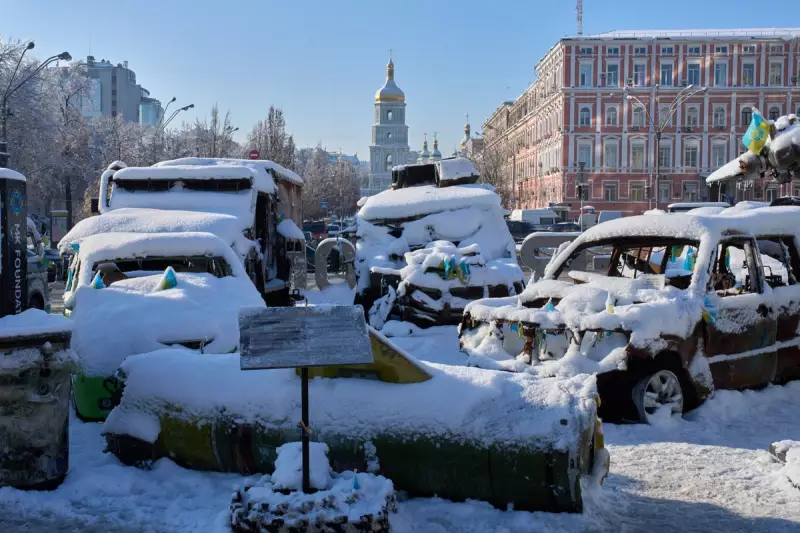
As diplomats gathered, the war on the ground took a grim turn. Overnight into Saturday, Russian strikes hit energy infrastructure in Ukraine's Kyiv and Odesa regions. The Ukrainian Ministry of Energy reported that more than 20 settlements in the Kyiv region alone were left without electricity.
This attack continues a deliberate Russian strategy, described by Kyiv as "weaponizing winter," which aims to break Ukrainian morale by depriving civilians of power and heat during the coldest months. The campaign has escalated sharply as temperatures have plummeted to as low as minus 18 degrees Celsius (0 Fahrenheit).
Ukraine's Energy Minister, Denys Shmyhal, stated on Friday that Russia conducted 612 attacks on energy targets over the course of the previous year. In response to the crisis, the government has enacted emergency measures, including:
- Temporarily easing curfew rules to allow access to public heating centres.
- Prioritising electricity and heat supplies for hospitals, schools, and other critical infrastructure.
- Directing major state companies like Ukrzaliznytsia and Naftogaz to urgently purchase imported electricity to cover at least 50% of their own consumption.
Path to a Settlement Remains Complex
While the US-Ukraine talks mark a pivotal moment, the path to any lasting peace remains fraught. A critical outstanding factor is that Russia would still need to be consulted on any proposed settlement arising from these discussions. The juxtaposition of high-stakes diplomacy in Washington and relentless aerial bombardment in Ukraine underscores the immense challenges facing negotiators.
The coming days, culminating in the potential Davos signing, will be crucial in determining whether this diplomatic push can translate into tangible progress towards ending Europe's largest conflict in decades.