The United Kingdom has taken decisive diplomatic action by summoning Iran's ambassador to the Foreign Office in response to what officials have labelled "reckless and destabilising actions" by Tehran both within Britain and internationally. This significant move underscores escalating tensions between the two nations over security concerns.
Diplomatic Confrontation Over Security Threats
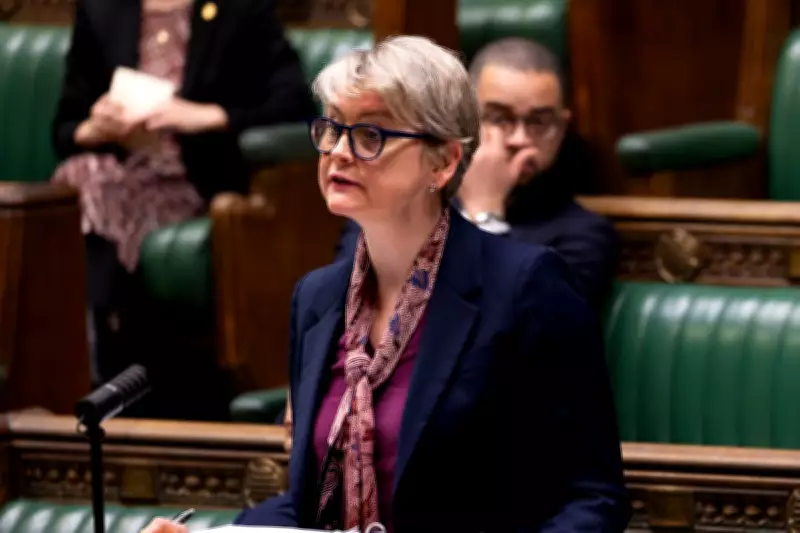
On the instruction of Foreign Secretary Yvette Cooper, Iranian ambassador Seyed Ali Mousavi was formally summoned to meet with Middle East minister Hamish Falconer. During this high-level meeting, Falconer conveyed the UK's grave concerns regarding Iran's activities, with the Foreign Office emphasising that it takes the threat posed by Iran and its proxies "extremely seriously".
National Security Act Charges
The diplomatic intervention follows serious criminal charges brought against two individuals under the National Security Act. Nematollah Shahsavani, a 40-year-old Iranian national, and Alireza Farasati, a 22-year-old British-Iranian dual national, stand accused of engaging in conduct likely to assist a foreign intelligence service between July 9 and August 15 last year.

Both men were arrested on Friday, March 6, and are suspected of carrying out hostile surveillance operations targeting London's Jewish community. A Foreign Office spokesman stated unequivocally: "National security remains our top priority, and we take threats posed by Iran and those who do its bidding extremely seriously."
Arson Attack on Jewish Ambulances
In a separate but related development, Prime Minister Sir Keir Starmer expressed "disgust" at an arson attack targeting four ambulances belonging to the Jewish community ambulance service in Golders Green. The incident, which occurred in the northwest London neighbourhood, has been classified as an antisemitic hate crime by the Metropolitan Police, though not currently treated as terrorism.
Speaking after meeting with Jewish community leaders on Monday, Starmer declared: "The idea that we live in a society where people should feel they need to hide their identity or their religion is, frankly, abhorrent." He described the targeting of emergency vehicles as "simply horrendous".
Unverified Claims of Responsibility
An unverified Telegram post from the group Harakat Ashab al-Yamin al-Islamia (HAYI) has circulated online claiming responsibility for the ambulance arson. A video posted on the group's Telegram channel after 6am on Monday showed street view Google Maps, images of the damaged ambulances, and footage of explosions. No arrests have been made in connection with this attack at this stage.
Government's Firm Stance
The Foreign Office spokesman reinforced the government's position, stating: "This government will take all measures necessary to protect the British people, including exposing Iran's reckless and destabilising actions at home and abroad." This statement reflects a hardening of the UK's approach toward Iranian activities perceived as threatening national security and community safety.
The summoning of Iran's ambassador represents a significant escalation in diplomatic tensions between London and Tehran, coming amid broader concerns about foreign interference and hate crimes targeting minority communities in the United Kingdom.