UK Government Unveils Sweeping Sanctions on Russian Oil Pipeline Giant
The United Kingdom has imposed its most extensive package of sanctions to date, targeting nearly 300 entities, including the major oil pipeline operator Transneft. This decisive action coincides with the solemn fourth anniversary of Russia's full-scale invasion of Ukraine, marking a significant escalation in economic pressure on Moscow.
Targeting the Lifeline of Russian Energy Exports
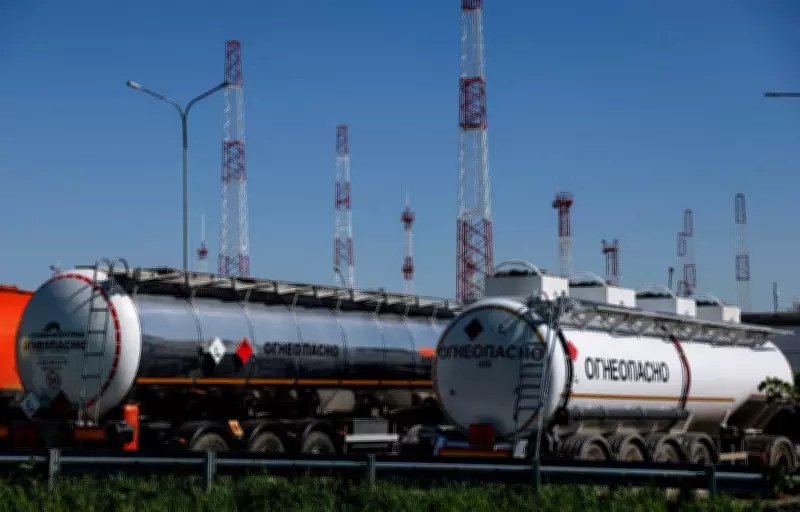
The government announced on Tuesday that PJSC Transneft, one of the world's largest pipeline companies responsible for transporting over 80 per cent of Russia's crude oil exports, was specifically sanctioned. The explicit aim is to further diminish Moscow's critical energy revenues, which fund its military aggression.
"The UK has today taken decisive action to disrupt the critical financing, military equipment and revenue streams that sustain Russia's aggression," Foreign Minister Yvette Cooper declared in an official statement. This latest round of penalties brings the total number of individuals, companies, and vessels sanctioned under Britain's Russia regime to more than 3,000.

Expanding the Net to Include Shadow Fleet
Tuesday's comprehensive sanctions package also included 48 oil tankers, identified as part of ongoing international efforts to curb Russia's so-called "shadow fleet." This network of ageing, often uninsured tankers has been used by Moscow to redirect crude exports to markets like China, India, and Turkey following Western restrictions.
In a significant move, Britain targeted what it described as Russia's dark-web oil networks, sanctioning 175 companies within the Dubai-based 2Rivers group. Officials stated that 2Rivers is one of the world's largest shadow-fleet operators and a major trader of Russian crude. The group did not immediately respond to requests for comment regarding the sanctions.
Assessing the Impact on Russian War Economy
London asserts that its sanctions, in coordination with allies, are intensifying severe pressure on Russian President Vladimir Putin. The government claims his war effort is faltering and that state revenues are in free fall. Analysis by the independent Centre for Research on Energy and Clean Air supports this, indicating Russia earned 193 billion euros from fossil fuel exports in the year to February 2026. This figure represents a stark 27 per cent drop from the comparable period before the invasion.
While Russia's gas exports have collapsed since 2022, sanctions have not yet reduced its oil export volumes; instead, they have compelled Moscow to sell crude at significantly lower prices, eroding its income. Western governments continue to prioritise "deterring, disrupting and degrading" the shadow fleet operations that facilitate these sales.
International Context and Diplomatic Challenges
The UK's action comes amid a complex international landscape. US President Donald Trump has reportedly pushed India to shift away from Russian crude as a condition for a trade deal. Meanwhile, the European Union is debating a broader ban on business supporting Russia's seaborne crude trade.
However, coordination faces hurdles. On Monday, the European Union failed to agree on its 20th sanctions package against Russia after Hungary maintained its veto. The dispute centres on both measures against Russia and a proposed 90 billion euro loan for Ukraine, linked to ongoing disagreements over oil supplies. This highlights the continuing diplomatic challenges in maintaining a unified front against the Kremlin's aggression as the conflict enters its fifth year.