

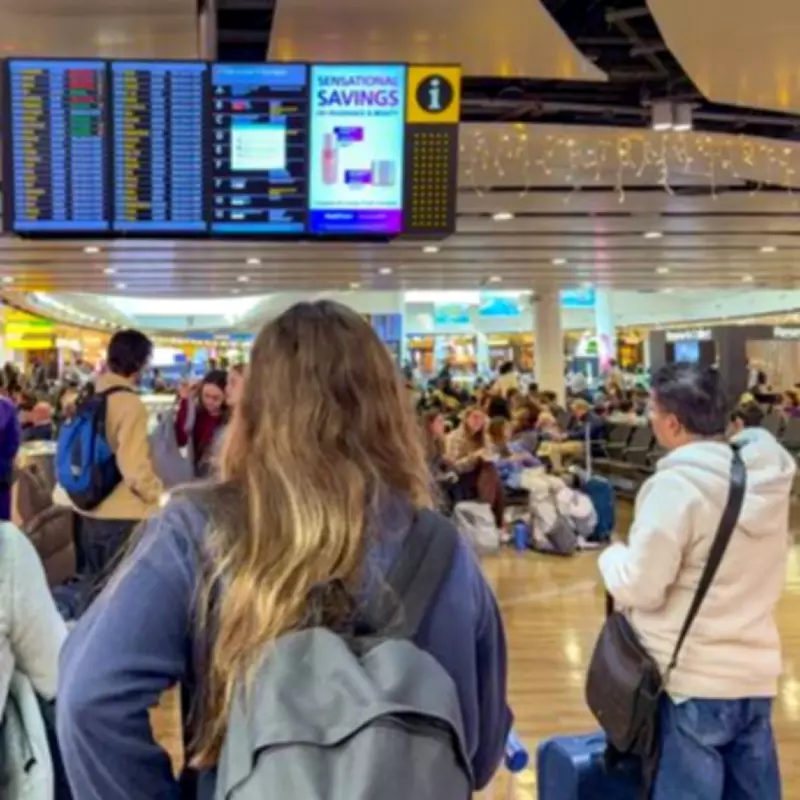
The UK Government this afternoon issued a statement to passengers across the country amid growing concerns over jet fuel shortages and the prospect of flight cancellations. The Department for Transport stepped in to respond following warnings from the European Union.
EU Warning on Jet Fuel Crisis
EU energy commissioner Dan Jorgensen said this week: "Unfortunately, it's very likely that many people's holidays will be affected, either by flight cancellations or very, very expensive tickets." He added: "Even if we do everything we can do, if the jet fuel is not there, then it's not there. [Currently] it is primarily a crisis of prices and not yet a crisis of supply, but unfortunately we cannot be sure to prevent a crisis of supply, especially on jet fuel in the future, if the crisis continues."
Government Reassurance for Passengers
Earlier today, President Trump suggested the Iran situation could drag on for weeks, stating he 'wouldn't rush' a deal. The DfT then issued direct guidance to passengers booked with carriers including Jet2, Ryanair, Wizz, easyJet and British Airways. It said: "There is no current need for passengers to change their travel plans. UK airlines buy jet fuel in advance, and airports maintain stocks to support their resilience. The government is working closely with the aviation industry to monitor risks and minimise disruption to passengers."

Passenger Rights in Case of Cancellation
"If your flight is cancelled, you have clear legal rights, including the right to a full refund or re-routing. Read this factsheet for the full picture on the current situation and what it means for you," the DfT added.
Is There a Shortage of Jet Fuel in the UK?
The DfT clarified: "UK airlines are clear that they are not currently seeing a shortage of jet fuel. It is typically bought in advance, with airports and their suppliers keeping stocks of bunkered fuel to support their resilience."
Do You Need to Change Your Travel Plans?
Officials explained: "There is no current need to change upcoming travel plans. Government regularly meets with industry to monitor risks, understand pressures and ensure clear communication with passengers, should circumstances change. We recognise that families may be concerned, and that aviation and tourism businesses are operating in challenging global conditions. We are working hand-in-hand with industry to help flights keep operating. We advise passengers to continue checking with their airlines before they travel, and to check the FCDO travel advice for the latest updates. You should also ensure you have appropriate travel insurance."
How Is the Government Protecting Passengers?
Under UK law, if your flight is cancelled, you are entitled to either a full refund or to be booked onto an alternative flight if you depart from an airport in the UK on any airline, arrive at an airport in the UK on an EU or UK airline, or arrive at an airport in the EU on a UK airline. For more information about your rights, you can speak directly to your airline, travel agent or tour operator, visit the Civil Aviation Authority’s website for guidance on delays and cancellations, or read the air passenger travel guide.
What Is the Government Doing?
The UK Government said: "Since the closure of the Strait of Hormuz, we have been closely monitoring UK jet fuel stocks and working with airlines, airports and fuel suppliers to ensure passengers keep moving and businesses are supported. We continue to plan for a range of contingencies, while focusing on securing a long lasting and workable solution to get shipping flowing freely again through the Strait of Hormuz."

How Are Airlines Being Supported?
In terms of carriers, the DfT said: "At some UK airports, airlines are given scheduled times known as ‘slots’ in which to take off or land. Under normal rules, airlines must use at least 80% of their allocated slots during a season to keep them for the following year. If they fall below this threshold, those slots can be reassigned to another airline. This is known as the ‘use it or lose it’ rule. Airport Coordination Limited, the independent body that manages slot allocation at UK airports, has updated its guidance so that airlines will not lose their slots if fuel shortages prevent them from flying. Airlines can now apply for an exemption from the ‘use it or lose it’ rule in these circumstances. This means airlines can focus on minimising disruption for passengers, rather than feeling pressure to operate flights purely to protect their slots."





