UK Launches Urgent Evacuation Plans for Brits Trapped in Middle East
Hundreds of thousands of British holidaymakers, transit passengers, and expatriates are currently trapped in the Middle East as Iranian missile strikes continue to destabilise the region. Officials are urgently developing a variety of evacuation plans at a rapid pace, considering all possible routes by land, sea, or air, according to sources familiar with the situation.
Unprecedented Crisis Response
Explosions have been reported in multiple Gulf states following Iran's vow to execute its "most intense operation" ever in retaliation for the killing of Supreme Leader Ayatollah Ali Khamenei. Fortunately, no British nationals are currently believed to have been injured or killed in these attacks. Over the weekend, the UK initiated an unprecedented operation to support British citizens stranded in the region.
More than 76,000 British people have registered their presence since the Foreign, Commonwealth & Development Office launched a registration system on Saturday evening. This system allows British nationals in Bahrain, Israel, Kuwait, Palestine, Qatar, or the United Arab Emirates to register for direct updates from the FCDO.

Registration and Evacuation Efforts
Almost three-quarters of those registered are in the United Arab Emirates, primarily comprising individuals on holiday or in transit rather than expatriate residents. In an unprecedented move, Foreign Secretary Yvette Cooper and Minister for the Middle East Hamish Falconer activated the "register your presence" system at 5pm on Saturday after urgent all-day meetings. This marks the earliest deployment of such a system during a crisis and the first time it has been launched simultaneously for multiple countries.
The FCDO is strongly urging British nationals in the affected countries to register their presence to facilitate the development of possible evacuation plans. Citizens are also advised to sign up for travel alerts, as advice is being regularly reviewed and updated. Currently, people are being instructed to stay where they are and monitor local travel advice closely.
Logistical Challenges and Diplomatic Push
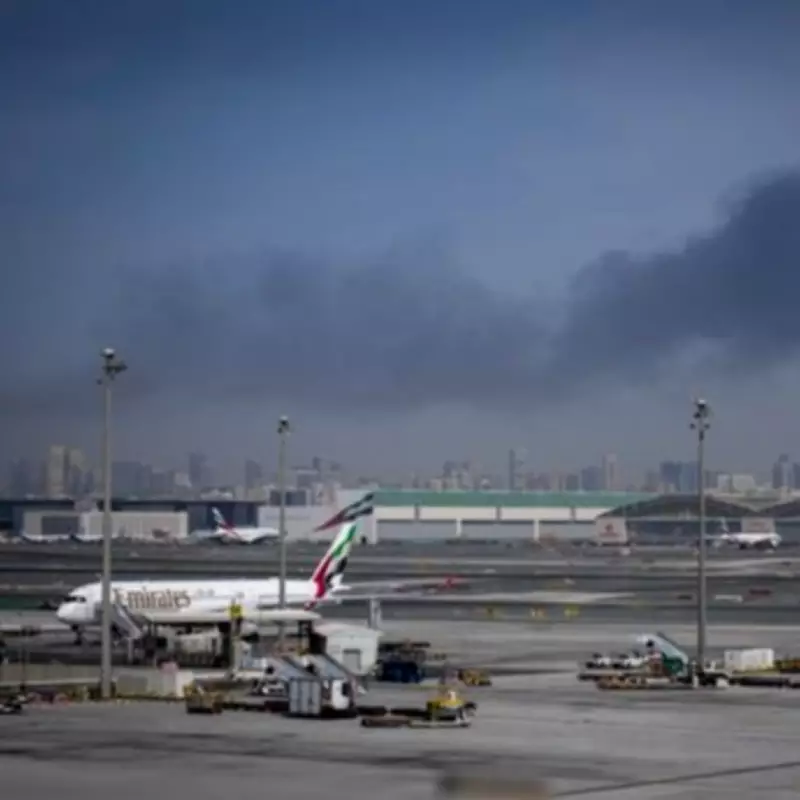
Dubai airport, considered the world's busiest with approximately 250,000 daily travellers, serves as a major hub for connecting flights from Britain to Australia and Asia, complicating evacuation logistics. Foreign Secretary Yvette Cooper has been deeply involved, working from 7am until after 11pm on Saturday and returning early Sunday morning to address the security and whereabouts of Brits in the region. Her immediate concern focuses on British citizens without permanent homes, many of whom are stranded in hotels after initially being stuck in airports when the strikes began.
Ms Cooper is also actively pushing for a diplomatic resolution as soon as possible. Over the weekend, she held a series of calls with foreign ministers from Kuwait, the UAE, Saudi Arabia, Oman, Bahrain, Qatar, and Jordan, as well as G7 foreign ministers and US Secretary of State Marco Rubio. On Saturday, she gathered all ambassadors for the region, with those in the UAE and Qatar maintaining frequent contact with major airlines. Notably, no conversations have been held with Iranian officials.
Government and Military Responses
Transport Secretary Heidi Alexander, who has been in contact with airlines, stated: "The UK’s immediate priority is the safety of UK nationals in the Middle East, but I also realise how stressful the situation is for travellers facing delays and disruption. We’re closely monitoring the situation for UK aviation and shipping and working closely with UK airlines."
Labour leader Keir Starmer expressed "deep concern" about attacks on civilian sites and discussed with Middle Eastern leaders the safety of British nationals and military personnel. He assured the leaders of Jordan, Bahrain, and Kuwait that the UK stands with them "in the face of dangerous Iranian escalation" following joint US-Israeli air strikes over the weekend.

Regional Escalation and Casualties
The Israeli military reported continued strikes on sites in central Tehran after the death of Supreme Leader Ayatollah Ali Khamenei in an airstrike on Saturday morning. Iran has vowed to retaliate with "devastating blows", firing missiles at neighbouring countries and US military targets. Israeli authorities confirmed that Iranian missiles killed nine civilians in Beit Shemesh, near Jerusalem, while the US military's Central Command reported three American service members killed and five severely wounded on Sunday.
Defence Secretary John Healey revealed that approximately 300 UK troops were within "a few hundred yards" of an Iranian strike on a base in Bahrain. Additionally, two missiles were fired toward Cyprus, where thousands of UK personnel are stationed, although the government does not believe these were deliberately targeted at British bases there.