The UK government has given final approval for China's highly controversial new embassy complex in London, a decision taken despite significant national security warnings and objections from key international allies.
Security Fears and International Warnings Ignored
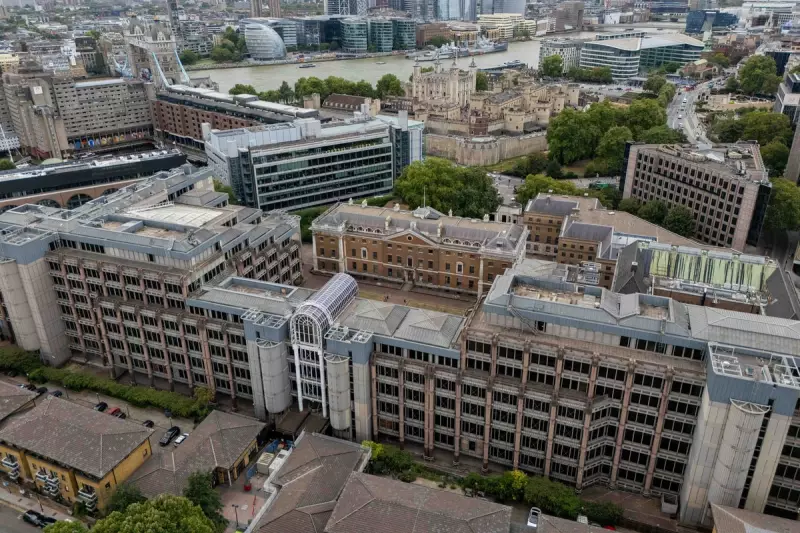
On Tuesday 20 January 2026, the Ministry of Housing, Communities and Local Government (MHCLG) granted planning permission for the development at Royal Mint Court, a historic site near the Tower of London. This move came after urgent calls from MPs and foreign governments to block the project.
Labour MPs revealed that several UK allies, including the Dutch government, Swiss parliament, Swedish parliament, and the White House, had raised direct concerns. They warned about risks to critical UK infrastructure, specifically data cables running along the site that are vital for communications between the City of London and Canary Wharf.

During an urgent Commons debate, Sarah Champion, chair of the international development select committee, implored the government not to "open Pandora's Box". She stated that once planning permission was granted, control would be irrevocably lost.
The Controversial Plans for Royal Mint Court
The proposed Chinese "super-embassy" is designed to consolidate Beijing's diplomatic presence from seven separate buildings into one vast complex. However, the blueprints have sparked alarm.
Reports indicate the plans include 208 secret rooms and a hidden chamber. Critics fear the hidden chamber's proximity to major data cables poses an espionage risk. There are also grave concerns that basement rooms could be misused to detain Chinese dissidents who have sought refuge in Britain.
Government Defence and Expert Reassurance
In defence of the decision, the government has argued that consolidating diplomatic activity into a single location could offer security benefits by making oversight easier.
Adding weight to this position, Ciaran Martin, the former chief executive of GCHQ's National Cyber Security Centre, publicly dismissed the location-based fears last week. He wrote in The Times that the UK's security services would have conducted thorough scrutiny and that no government would override their advice if the risks were deemed too great.
The decision puts the government at odds with protesters and some of its own backbenchers, including former minister Kemi Badenoch, who joined calls for the mega-embassy to be stopped.