A proposed 28-point peace plan for Ukraine, reportedly agreed between the United States and Russia, appears to heavily favour Moscow's interests while demanding significant concessions from Kyiv, according to diplomatic analysis.
The Puppet Strings Tighten
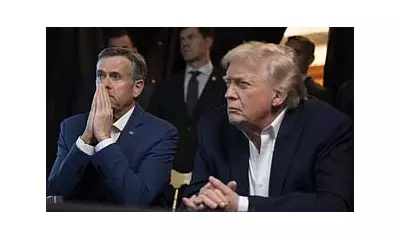
Despite initial appearances of independence from the Kremlin, including threats of sanctions on Russian fuel importers, Donald Trump has ultimately aligned with Vladimir Putin's objectives for Ukraine. The performance of American resistance has given way to what analysts describe as "dancing the Moscow jig" - a desperate but effective move by Moscow to control the narrative around a war Russia cannot decisively win.
The peace proposal, briefed to media on Wednesday, demands that Ukraine surrender vast eastern territories, reduce its army by half, abandon its constitutional commitment to NATO membership, and relinquish defensive weapons that could protect its sovereignty in future conflicts.
Ukrainian Resistance and Western Support
Ukrainian President Volodymyr Zelensky has immediately rejected the plan, recognising its similarity to previous Russian-centric American proposals. The plan notably ignores Putin's persistent refusal to accept Ukraine's offer of an immediate ceasefire.
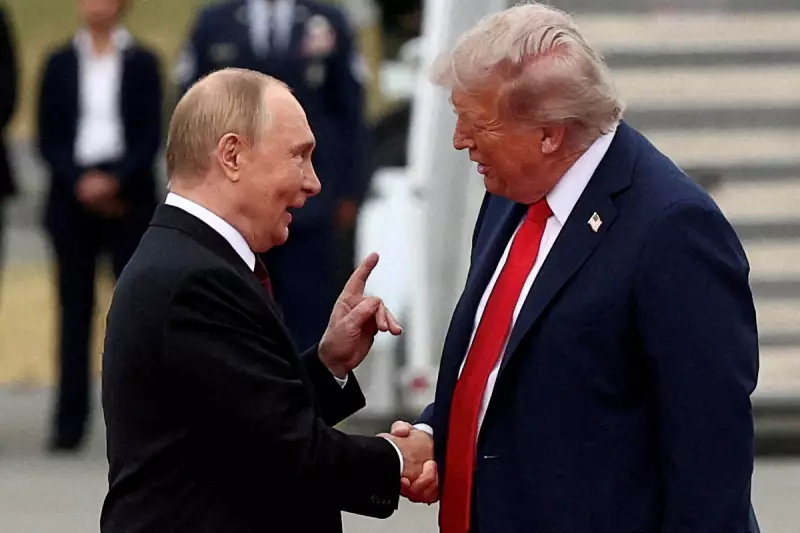
The proposal rests on the contested assumption that Ukraine cannot win its defensive war against Russia and that concessions are inevitable. Zelensky is expected to discuss the proposal directly with Trump in coming days, though little progress has been made since their Alaska meeting in August.
Trump has significantly hampered Ukraine's war effort by cutting all aid except intelligence support. This decision has prevented Ukraine from gaining decisive advantage, though Russia has similarly failed to achieve victory. European and Canadian NATO members have attempted to fill the funding gap with approximately €250 billion (£220 billion).
The Human and Strategic Cost
Kyiv faces nightly bombardment as part of a Russian campaign to cripple Ukraine's energy sector and make the country uninhabitable during winter. While Ukraine faces tactical challenges in Pokrovsk, it maintains defensive successes in Kupiansk further north.
Russia has already suffered over one million casualties since 2022, with estimates suggesting a full conquest of Ukraine could take a century and millions more personnel. Meanwhile, Ukraine contends with its own challenges including a corruption scandal involving alleged theft of $100 million from its state energy company, resulting in two ministerial resignations.
Conscription problems plague Ukraine's defence efforts, with parliamentary estimates suggesting draft dodgers outnumber soldiers by one million. A decision allowing 18-22 year olds to leave the country has reportedly created an exodus of approximately 100,000 fighting-aged males, though the official conscription age remains 25.
Despite these challenges, Ukraine continues to hold the line through innovation and motivation. Drone warfare has helped counter Russia's advantage in military mass, though the situation remains precarious.
Historical Context and Future Projections
For Ukraine, this conflict represents an existential struggle. Historical precedents include Stalin's Holodomor famine that killed up to seven million Ukrainians in the early 1930s, alongside other Soviet-era famines, language suppression, and cultural destruction. The very term "genocide" was coined in Lviv, western Ukraine, during the 1940s.
Putin has committed Russia's entire economy to the war effort, with the Centre for European Policy Analysis estimating approximately 30% of federal funds directed toward military operations. Russian growth has slowed to about 1.5%, with inflation driven higher by wage increases in war-related industries experiencing worker shortages.
Analysts suggest Putin recognises the war's long-term unsustainability but benefits from centralized power through a war economy boosted by oil revenues. Ukraine's developing capacity to strike inside Russia potentially undermines domestic support for the military campaign.
In the short term, Putin would benefit from a ceasefire along current lines, allowing Russia to control Ukrainian defensive positions while rearming for future conquest. An alternative European ceasefire plan focuses on Ukraine's future safety from Russian attacks but similarly assumes territorial concessions to Moscow.
The current discussion parameters remain largely set by Putin and his allies in the White House and European far-right movements. Smarter terms, analysts argue, would focus on enabling Ukrainian victory rather than demanding concessions to Russian aggression.