The Trump administration is actively pursuing a significant shift in global development policy, advocating for nations to reduce traditional humanitarian aid in favor of promoting private investment that benefits American businesses. This new strategy, dubbed the 'trade over aid' initiative, aims to leverage the United Nations system to create commercial opportunities for US companies abroad.
Diplomatic Push Ordered by Secretary of State
According to internal State Department documents reviewed by The Washington Post, Secretary of State Marco Rubio has directed all US diplomats to issue official démarches—formal diplomatic calls to action—to foreign governments by Monday. These communications urge international support for the initiative, which the US plans to formally introduce at the UN later this month.
Rationale Behind the Policy Shift
The administration's position, as outlined in obtained notes, argues that decades of government-to-government aid have produced limited impact on global economic development. "It has not solved the world's economic development challenges, and it has often created dependency, inefficiency, and corruption," states one document. "Donors and developing countries are ready to try a new development aid model."

Secretary Rubio emphasized that the initiative would generate new opportunities for American companies operating internationally. The State Department contends that private enterprise, rather than government assistance, has historically driven successful economic development worldwide.
Context and Criticism
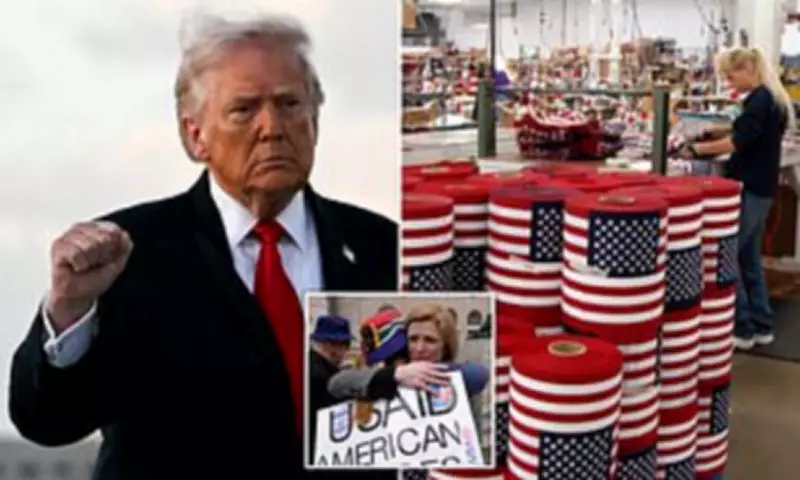
This policy change follows the Trump administration's dismantling of the US Agency for International Development (USAID), which previously managed a $25 billion annual budget for global health, food assistance, education, and disaster relief programs. Critics, including international affairs expert Sam Vigersky of the Council on Foreign Relations, suggest the démarche represents another attempt to undermine UN institutions, predicting a cool reception from the international community.
Broader Trends in Foreign Aid
Even before Trump's return to power in 2025, several Western nations—including Germany, Sweden, Canada, and Norway—had been reducing foreign aid commitments since at least 2022. OECD data reveals a 23 percent decline in aid from member countries between 2024 and 2025, with the US accounting for three-quarters of this reduction. A Lancet study published in February warns that such retreats from humanitarian responsibilities could contribute to 9.4 million additional deaths by 2030.
NATO Tensions and Global Implications
Concurrently, President Trump has intensified criticism of NATO allies for insufficient support of US military operations in Iran, openly questioning the alliance's future relevance. During his first term, Trump criticized members for failing to meet defense spending targets; his second term has seen more severe tensions, including discussions about withdrawing US troops from certain NATO countries and proposals regarding Greenland.
While some allies have offered limited defensive and diplomatic support, many have declined to join US-led operations against Iran, with countries like Spain and the UK imposing restrictions on American military activities from their territories. France, Spain, and other nations have agreed to participate in a post-conflict coalition to reopen the Strait of Hormuz, highlighting the complex diplomatic landscape surrounding these initiatives.