Trump's March to War with Iran: A Case Built on Contradictions and Silence
In a stark departure from historical precedent, Donald Trump is steering the United States toward a potential military confrontation with Iran without articulating a clear justification for such action. Unlike the Bush administration's meticulously crafted, albeit false, case for the Iraq invasion, Trump and his aides have offered little explanation for why Washington might launch strikes against Iran or what strategic objectives they hope to achieve.
Echoes of Iraq: A Lesson Unlearned
In October 2002, President George W. Bush delivered a televised speech that laid out a detailed, terrifying rationale for war with Iraq, invoking threats of weapons of mass destruction and the specter of a nuclear attack. This campaign, based on manipulated intelligence, garnered significant public support, with polls showing over 70% approval for the invasion by March 2003. Today, Trump faces a vastly different landscape. Recent polling indicates that 70% of American voters oppose military action in Iran, reflecting a public weary of foreign interventions and skeptical of presidential war powers.
A Military Buildup Without a Narrative
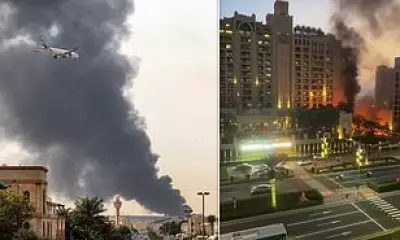
Over the past month, the Pentagon has positioned two aircraft carriers, along with numerous fighter jets, bombers, and refueling tankers, within striking distance of Iran. This armada represents the largest US military build-up in the Middle East since the 2003 Iraq invasion. Yet, there has been virtually no public debate in the US about the potential consequences of an attack, which could ignite a widespread and unpredictable conflict across the region. Congress, led by Republicans, has largely remained passive, failing to reassert its constitutional authority over war-making or demand clarity from the president.

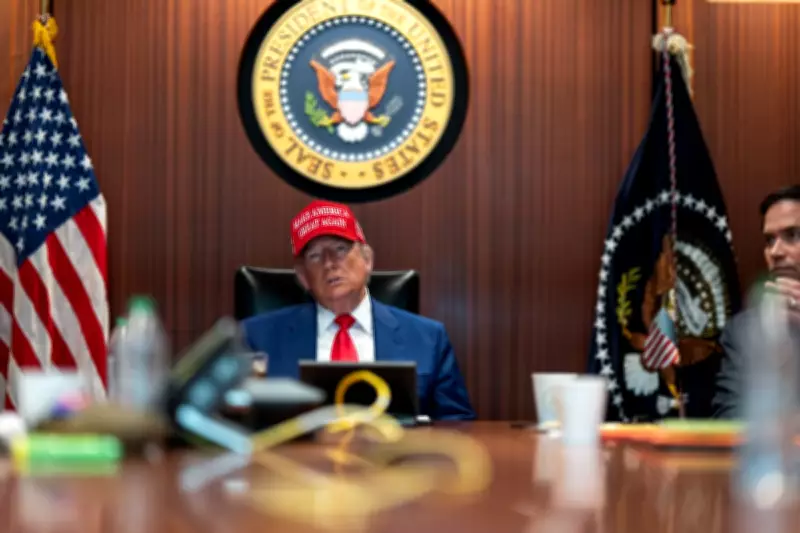
During his recent State of the Union address, Trump devoted only three minutes to Iran in a speech lasting nearly two hours. He reiterated vague talking points, stating, "We are in negotiations with them. They want to make a deal," without specifying what kind of deal he seeks. He added, "My preference ... is to solve this problem through diplomacy. But one thing is certain: I will never allow the world’s No 1 sponsor of terror, which they are by far, to have a nuclear weapon." This lack of detail leaves critical questions unanswered about US goals, whether they involve pressuring Iran to abandon its nuclear program, supporting protesters, or regime change.
Contradictions in Claims and Reality
Trump has repeatedly asserted that he "obliterated" Iran's nuclear program following US airstrikes on key facilities in mid-June, a claim prominently featured on the White House website. However, leaked intelligence assessments suggest that two of the targeted sites were not as severely damaged as initially implied. Iranian officials, including Foreign Minister Abbas Araghchi, have consistently denied any intent to develop nuclear weapons, stating, "Iran will under no circumstances ever develop a nuclear weapon." The International Atomic Energy Agency reports that Iran has enriched enough uranium for six bombs, but analysts note it would still take up to a year to weaponize this material.
This contradiction raises fundamental questions: why has the US assembled such a formidable military force to eliminate a nuclear program that Trump insists is already destroyed? And why risk pushing the region to the brink of war if Iran no longer poses an imminent threat? When pressed, White House Press Secretary Karoline Leavitt offered no substantive explanation, merely asserting that Americans should trust the president's judgment.

The Path to Crisis: Trump's Role and Regional Tensions
The current crisis stems partly from Trump's actions. In May 2018, he unilaterally withdrew the US from the Iran nuclear deal, reimposing sanctions that crippled Iran's economy. This move undermined the 2015 agreement, which had limited Iran's nuclear activity in exchange for sanctions relief. Since then, Iran has moved closer to nuclear weapons capability, though intelligence agencies assess it is not actively building a bomb. Negotiations for a new deal broke down after Israel's surprise attacks in June, which targeted Iranian military officials and scientists, with the US briefly joining in airstrikes on nuclear facilities.
As Trump risks sleepwalking the US into another conflict without a coherent case, the parallels to the Iraq war are alarming. The American public, once burned by misplaced trust, now faces a president who bypasses transparency and accountability. The stakes are high, with potential for a devastating regional war that could reshape the Middle East for years to come.