Trump's Iran Blockade Escalates Global Crisis, Straining UK and European Diplomacy
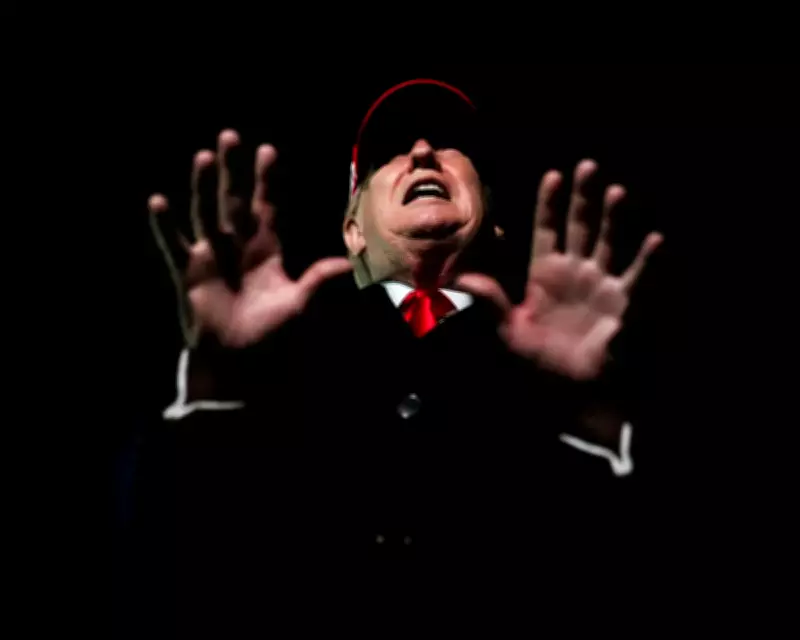
Donald Trump addressed reporters at Joint Base Andrews in Maryland on Sunday, reinforcing his aggressive stance towards Iran. The United States has initiated a naval blockade aimed at restricting Iranian oil exports unless free passage through the Strait of Hormuz is guaranteed for all vessels. This move has thrust Europe and the United Kingdom into a precarious diplomatic position, as they grapple with the fallout of a conflict they did not seek.
Europe's Dilemma: Not Our War, But Now Our Problem
For weeks, European leaders, including UK Prime Minister Keir Starmer, have maintained a stance of non-involvement in the Iran conflict. Starmer has leveraged this position to align with Labour party desires while appealing to public sentiment. However, the situation shifted dramatically over the weekend. While Downing Street has ruled out military participation, Trump's escalation has transformed the crisis into a global issue with far-reaching consequences.
The immediate economic impact is stark. Oil prices surged and stock markets declined as trading resumed, prompting an emergency focus at the IMF meeting in Washington. Global growth forecasts are being revised downward in anticipation of a prolonged energy shock, threatening development in poorer nations and political instability in wealthier ones. In the UK, the Resolution Foundation predicts a decline in living standards for typical households, with only the poorest shielded from rising gas bills.

Widespread Economic and Social Fallout
Small businesses are already suffering, particularly those reliant on diesel vehicles, as highlighted by the RAC Foundation's warning about financial strain on tradespeople. Beyond fuel, the blockade risks severe shortages in critical supplies:
- Medicines: Disruptions in Gulf shipping could lead to deficits in essential pharmaceuticals.
- Fertilisers: Agricultural sectors face potential shortfalls, impacting food production.
- Helium: Used in MRI scanners and semiconductor manufacturing, a shortage could hinder healthcare and technology industries.
Trump's threats to eliminate ships approaching Iranian ports or paying tolls heighten the risk of the conflict escalating, potentially drawing in other nations like China. This underscores the urgent need for a diplomatic off-ramp to allow Trump a face-saving retreat.
Trump's Political Weakness and the Search for Solutions
Recent events reveal Trump's desire to exit the war but inability to devise a strategy. His administration's dismissal of diplomatic expertise has left him reliant on aggressive tactics, yet he faces domestic dissent. Boos at a Miami event and divisions within his support base, including Vice-President JD Vance, indicate waning confidence. The defeat of populist leader Viktor Orbán in Hungary serves as a cautionary tale about the political costs of economic mismanagement.
In this context, former UK Prime Minister Boris Johnson has proposed a controversial solution. He argues that Europe should assist the US in resolving the crisis, using leverage to secure increased American support for Ukraine against Russian aggression. While Johnson acknowledges the unfairness of bailing out a superpower, he emphasises the pragmatic necessity of stabilising the situation for European self-interest.
Diplomatic Pathways Forward
Johnson's suggestion of military involvement is contentious; however, offering autonomous mine-hunting capabilities, as Defence Secretary John Healey has considered, represents a measured approach. The priority lies in diplomatic engagement. Europe must establish back channels with US officials who share a desire to end the conflict and identify emissaries respected by Trump, avoiding those who have publicly criticised him.
The pending state visit of King Charles could provide a timely opportunity for behind-the-scenes dialogue. Ultimately, as Trump's unpredictability poses ongoing risks, inaction is not viable. A wounded Trump may lash out further, and economic gridlock from a blocked Strait of Hormuz could undermine Labour government ambitions and political stability. The crisis, born of US actions, has undeniably become a shared global burden.