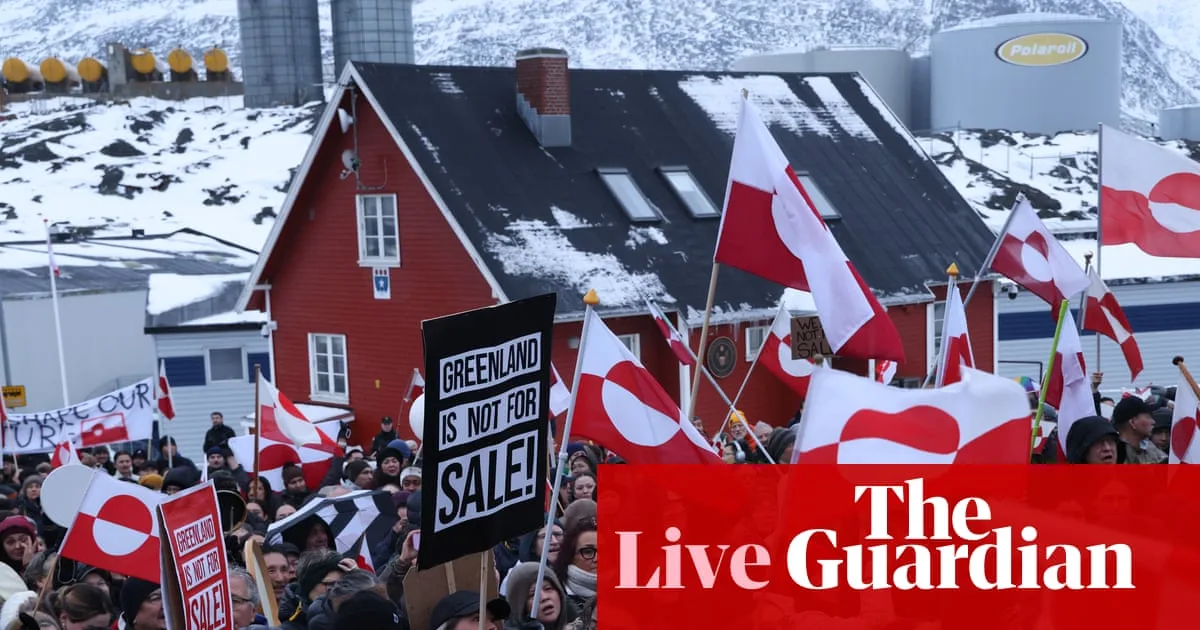
The geopolitical landscape has been rocked by a startling ultimatum from former US President Donald Trump, presenting what analysts see as a critical juncture for British foreign policy. Trump has threatened to impose sweeping tariffs on eight allied nations, including the UK, unless Greenland is sold to the United States. This move has been condemned internationally and has thrust the UK into a position where closer ties with Europe may be the most strategic path forward.
International Condemnation and a Security Dilemma
The reaction from European capitals has been swift and severe. While the Dutch labelled the threat "blackmail" and Britain called it "wrong," it was Spanish Prime Minister Pedro Sanchez who delivered the most stark warning. He stated that a Trump-led invasion of Greenland would make Russian President Vladimir Putin "the happiest man on earth." The European Union and the UK are now locked in emergency talks to formulate a unified response to Trump's demand for a 10% tariff, which is set to escalate to 25% by June 1.
Experts point out Trump's fundamental misunderstanding of trade mechanics. Tariffs are paid by US importers and consumers, not foreign governments, acting as a tax on American businesses and households. More critically, his actions are seen as deliberately undermining the NATO alliance, leaving the West more vulnerable to the very Russian and Chinese threats he claims to counter. Britain's token military commitment to Greenland and its marginally lower proposed tariff offer little insulation from the broader strategic fallout.
Brexit's Heavy Toll and a New Opening for Britain
This crisis emerges against the backdrop of a UK still grappling with the economic consequences of leaving the EU. A recent report from the Centre for Economic Policy Research estimates that UK GDP per capita was 6–8% lower by 2025 than if the country had remained. Investment took a 12–18% hit, with productivity and employment also suffering significant declines. While other estimates vary, the consensus is clear: Brexit has been a strategic economic setback.
Simultaneously, the UK's armed forces are reportedly facing a crippling £28 billion funding shortfall, highlighting a stark need for greater security cooperation. The EU, for its part, is struggling with its own sluggish growth and requires bolstered defence capabilities. Last year, talks for the UK to join the EU's €150 billion SAFE defence loan programme collapsed over a high entry fee. However, the new reality shaped by Trump's antagonism may have reset the negotiating table entirely.
A Pivotal Moment for Starmer's Britain
For Prime Minister Sir Keir Starmer, this confluence of events represents what some commentators are calling a "golden opportunity." The UK possesses a formidable arms industry and military expertise that could significantly accelerate EU defence integration. In return, Britain would gain access to the economic stability and collective security blanket of the single market.
EU top diplomat Kaja Kallas has warned that the tariff dispute is a dangerous distraction from supporting Ukraine, stating "China and Russia must be having a field day" due to divisions among allies. This sentiment underscores the urgent need for Western unity. With Trump displaying open contempt for NATO and continued sympathy for Putin's expansionism, the UK may now find the EU more willing to offer favourable terms for a return than at any point since the 2016 referendum.
The crisis in the North Atlantic, born from an unprecedented tariff threat over Greenland, has inadvertently created a powerful impetus for British realignment. The path is now open for the UK to secure a safer, more prosperous future by turning decisively towards its European allies, leaving the uncertainties of a Trump-dominated Atlantic behind.






