Trump's Oval Office 'Bro Culture' Creates Unsafe Spaces for Dissent
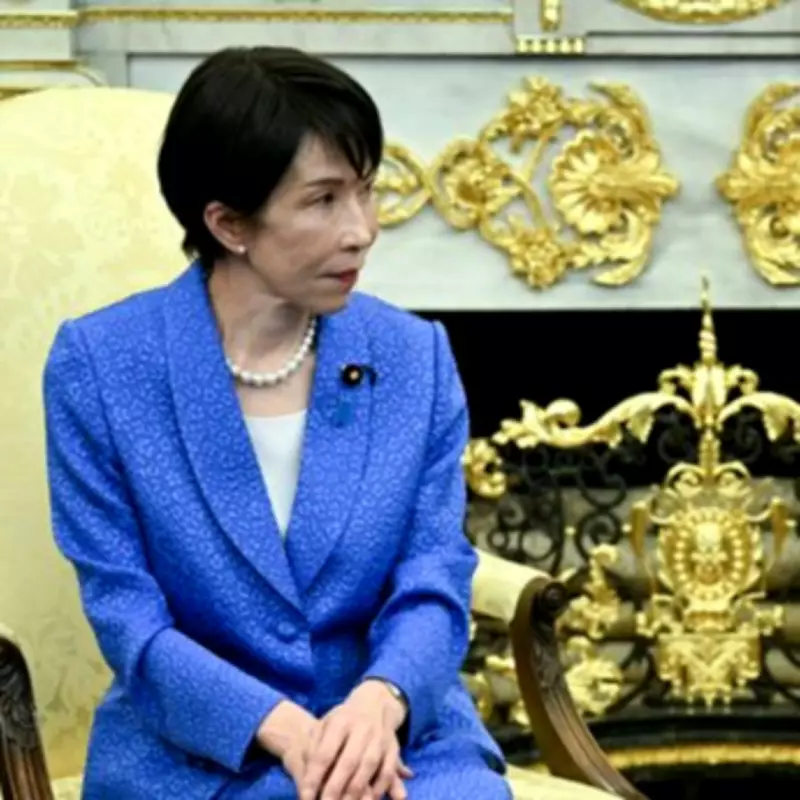
In a recent Oval Office meeting, US President Donald Trump made a shocking remark about Pearl Harbor to Japanese Prime Minister Sanae Takaichi, drawing parallels between the 1941 attack and his surprise strikes on Iran. This incident underscores a broader pattern of behavior where Trump's 'bro culture' fosters an environment hostile to those who differ from him.
A Disturbing Joke in the Presence of a Key Ally
During the meeting, Trump turned to Prime Minister Takaichi and asked, 'Why didn't you tell me about Pearl Harbor?' as he laughed about the historical event that claimed 2,403 American lives. Observers noted Takaichi visibly squirming, a reaction many employees experience when faced with inappropriate comments from superiors in male-dominated workplaces.
This was not an isolated gaffe but a deliberate act, reflecting Trump's disregard for diplomatic decorum and factual accuracy. His comment trivialized a tragic moment in history, highlighting how his leadership style prioritizes shock value over respect.

The Ripple Effect of Toxic Leadership
Trump's behavior sets a dangerous precedent, emboldening others to mimic his offensive conduct. For instance, Reform MP Sarah Pochin joked about wearing a tartan burka and expressed frustration over seeing too many Black and Asian people on British television. Such remarks, made in supposedly safe spaces, reveal a growing tolerance for xenophobia and discrimination.
In workplaces worldwide, colleagues often laugh or look away when leaders cross ethical lines, creating unsafe environments for women, people of color, and individuals with disabilities. Trump has a history of such actions, including mocking a journalist with a disability and using derogatory terms like 'piggy' for a female reporter.
The Chilling Effect on Free Speech
Journalists covering Trump face immense pressure, as seen when one asked about undisclosed war plans and was met with deflection. This intimidation tactic aims to silence dissent, forcing reporters to weigh the risks of challenging power. On social media platforms like X, supporters amplify these behaviors, normalizing hostility towards factual reporting.
The lack of accountability for such conduct means it often goes unnoticed amid global crises, yet it shapes workplace cultures everywhere. When leaders like Trump or Pochin make offensive jokes, they signal that similar behavior is acceptable behind closed doors.
Moving Forward: Addressing Workplace Safety
This incident serves as a stark reminder of the need for safe spaces in all professional settings. Without checks on 'bro culture,' marginalized groups continue to face humiliation and exclusion. It is crucial for organizations to implement policies that protect employees from harassment and promote inclusive dialogue.
As geopolitical events dominate headlines, the subtle erosion of workplace safety must not be overlooked. By holding leaders accountable, we can foster environments where diversity is respected and dissent is valued, not stifled.