Trump's 'Boards of Peace' Initiative: A New Diplomatic Approach
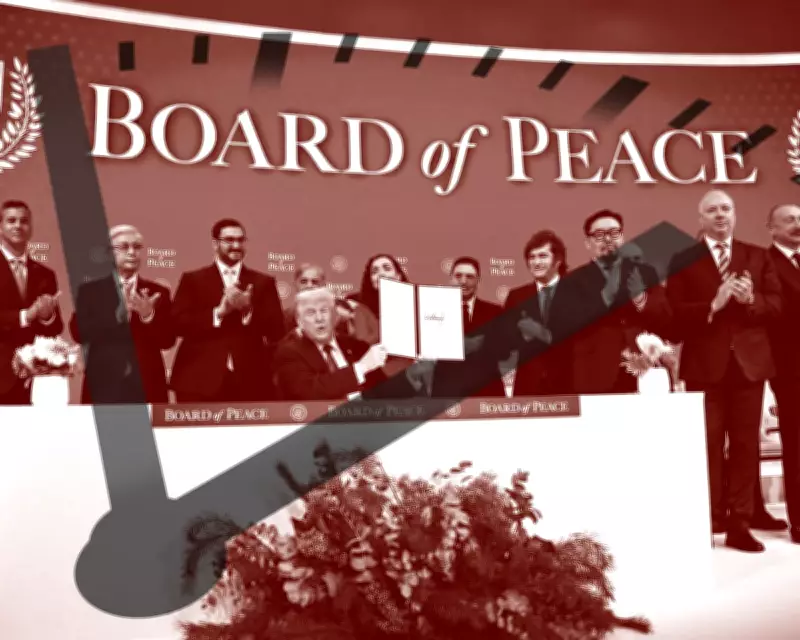
Former US President Donald Trump has launched a new initiative called the 'Boards of Peace,' designed to address and resolve international conflicts through a structured, advisory framework. This move marks a significant development in post-presidential diplomacy, as Trump seeks to leverage his political influence and connections to foster peace in volatile regions around the world.
Key Figures Involved in the Boards
The 'Boards of Peace' include a diverse group of former officials, diplomats, and experts with extensive experience in international relations. Notable participants are drawn from both Republican and Democratic backgrounds, aiming to create a bipartisan effort. Among them are former secretaries of state, ambassadors, and military leaders who have previously served in administrations or international organizations. Their involvement suggests a strategic blend of political savvy and diplomatic expertise, intended to enhance the initiative's credibility and effectiveness.
Structure and Objectives of the Initiative
The initiative is organized into multiple boards, each focusing on specific conflict zones or global issues, such as Middle East tensions, Eastern European disputes, or trade-related conflicts. These boards operate independently but coordinate under a central leadership, with Trump playing a key role in setting the overall direction. The primary objectives include facilitating dialogue between conflicting parties, proposing actionable solutions, and leveraging private-sector resources to support peace-building efforts. This approach contrasts with traditional government-led diplomacy, emphasizing flexibility and innovation in conflict resolution.

Potential Impact on Global Diplomacy
Trump's 'Boards of Peace' could reshape global diplomacy by introducing a more informal, yet influential, channel for conflict resolution. By involving high-profile figures outside official government roles, the initiative may bypass bureaucratic hurdles and foster quicker, more pragmatic outcomes. However, critics argue that it might undermine established diplomatic institutions or create confusion in international relations. The success of this initiative will depend on its ability to gain trust from global stakeholders and deliver tangible results in reducing tensions and promoting stability.
Challenges and Future Prospects
Despite its ambitious goals, the 'Boards of Peace' face several challenges, including securing funding, navigating complex geopolitical landscapes, and ensuring transparency in its operations. Additionally, Trump's polarizing reputation could affect the initiative's reception in some regions. Looking ahead, the boards plan to expand their membership and engage with more conflict zones, potentially influencing peace processes in areas like the South China Sea or African civil wars. Observers will closely monitor its progress as a test of private-led diplomacy in the modern era.