Donald Trump convened the first meeting of his newly established Board of Peace on Thursday, announcing substantial international pledges aimed at rebuilding Gaza. The event marked a significant diplomatic effort, with multiple nations stepping forward to commit funds for reconstruction in the conflict-ravaged region.
International Pledges Fall Short of Needs
Countries including Kazakhstan, Azerbaijan, the United Arab Emirates, Morocco, Bahrain, Qatar, Saudi Arabia, Uzbekistan, and Kuwait collectively pledged a total of $7 billion toward a dedicated Gaza reconstruction fund. In addition to these national contributions, FIFA committed $75 million for football-related projects, while the United Nations pledged $2 billion for humanitarian assistance.
Trump Criticises Past Spending as 'Peanuts'
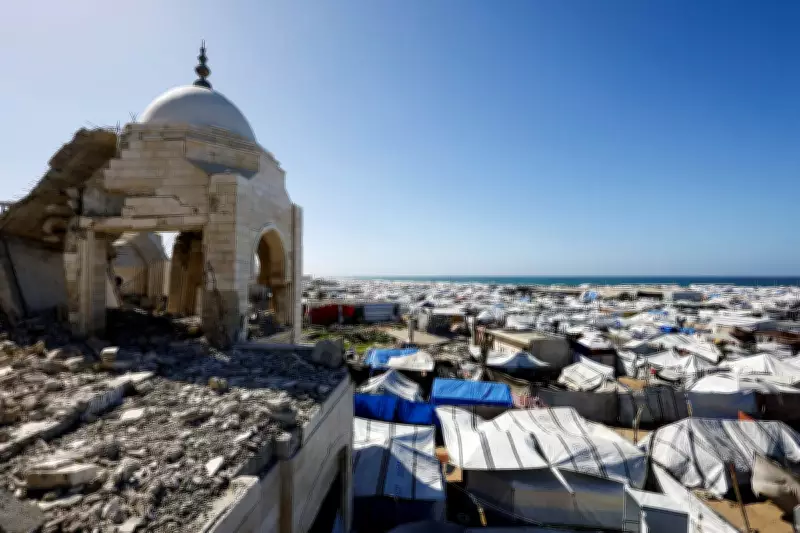
During the meeting, Trump characterised the $5 billion in previous Middle East spending as 'peanuts' compared to the scale of need in Gaza. He emphasised the urgency of the situation, highlighting the extensive devastation caused by years of ongoing conflict that has left infrastructure in ruins and communities in dire need of support.

The total amount pledged at the Board of Peace meeting, however, represents only a fraction of what is required. Estimates suggest that approximately $70 billion is needed to fully rebuild Gaza's damaged homes, schools, hospitals, and essential services. This shortfall underscores the immense challenges facing reconstruction efforts in the region.
Gaza's Reconstruction Challenges
Gaza has been severely impacted by prolonged hostilities, with widespread destruction necessitating comprehensive rebuilding initiatives. The pledges announced on Thursday, while substantial, highlight the gap between available resources and the actual costs of recovery. The Board of Peace's debut signals a renewed focus on international cooperation, but questions remain about how to bridge the funding gap and ensure effective implementation of reconstruction projects.
The involvement of diverse nations and organisations reflects a broad-based approach to addressing Gaza's needs, yet the disparity between pledges and requirements points to ongoing difficulties in mobilising sufficient support for sustainable recovery in the Middle East.