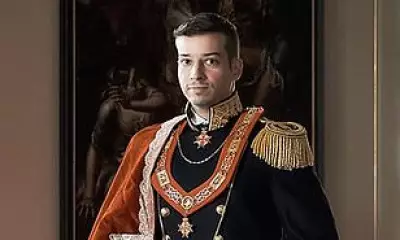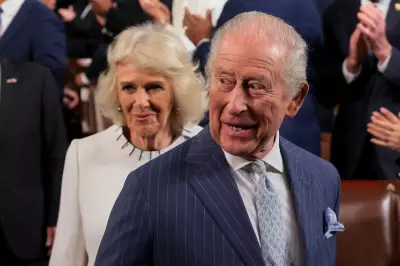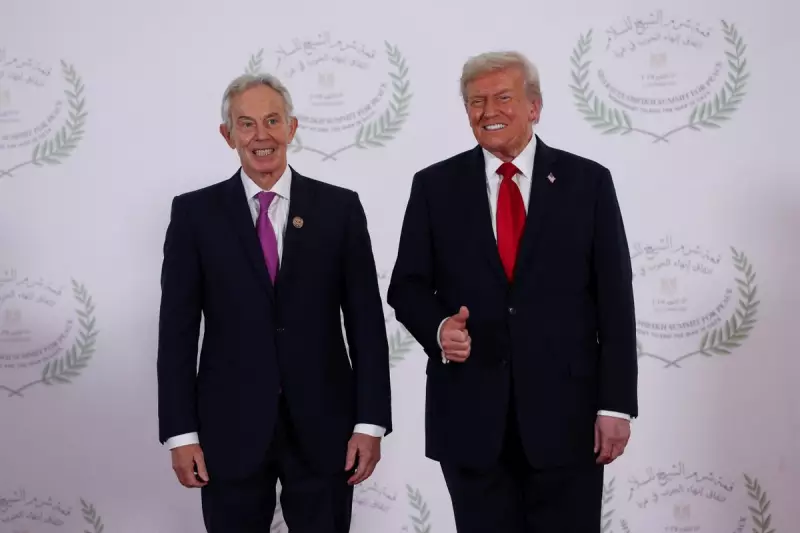
The White House has officially unveiled the composition of President Donald Trump's proposed "Board of Peace" for Gaza, a high-profile panel he has hailed as the "Greatest and Most Prestigious Board ever assembled at any time, any place." The announcement, made on Friday, details a roster of US officials, former world leaders, and billionaire businessmen tasked with overseeing the implementation of a comprehensive plan for the war-torn territory.
Who's Who on the Controversial Board?
The board will be chaired by President Trump himself. Key members from his administration include US Secretary of State Marco Rubio and Steve Witkoff, the US Special Envoy to the Middle East. Witkoff has been deeply involved in Trump's peace efforts, including recent proposals for Gaza's reconstruction and demilitarisation.
In a move that has drawn significant attention, Jared Kushner, the president's son-in-law and a key foreign policy adviser, has also been appointed. Kushner, who met with Israeli Prime Minister Benjamin Netanyahu in November, previously sparked outrage with comments about Gaza's "valuable" waterfront property.

The international figures named include former British Prime Minister Sir Tony Blair. Blair, a divisive figure in the region due to the 2003 Iraq invasion, stated he was "honoured" by the appointment and praised Trump's 20-point plan for Gaza as an "extraordinary achievement."
The board also features notable private sector titans. Billionaire Marc Rowan, CEO of Apollo Global Management, and Israeli-Cypriot billionaire Yakir Gabay are listed. Ajay Banga, President of the World Bank, and Robert Gabriel, a US national security adviser, round out the core group.
A Separate Palestinian Committee and International Oversight
This week also saw the appointment of a separate 15-member Palestinian technocratic body, the National Committee for the Administration of Gaza (NCAG). This committee, overseen by former Palestinian Authority deputy minister Ali Sha'ath, is tasked with running Gaza's daily affairs following Israel's devastating bombardment.
A parallel 11-member "Gaza Executive Board" for international coordination was also named. It will include Turkish Foreign Minister Hakan Fidan, UN Middle East envoy Sigrid Kaag, and UAE minister Reem Al-Hashimy. Bulgarian politician Nickolay Mladenov, a former UN envoy, will serve as the board's on-the-ground representative in Gaza.
The White House stated that more members will be added in the coming weeks and confirmed that invitations have been sent to Turkish President Tayyip Erdogan and Egyptian President Abdel Fattah al-Sisi to join the effort.
Criticism and Colonial Comparisons
The announcement has been met with immediate criticism from human rights experts and advocates. A glaring omission noted by many is the complete absence of any Palestinian representatives on the main "Board of Peace." Critics argue that a board composed of foreign powers and businessmen overseeing the governance of a territory resembles a colonial administrative structure.
The context for this new board remains one of profound devastation. Israel's military assault on Gaza since October 2023 has killed tens of thousands, caused a catastrophic hunger crisis, and displaced the enclave's entire population internally. Multiple UN experts and scholars have stated these actions amount to genocide.
Despite a fragile truce, violence has persisted. More than 450 Palestinians, including over 100 children, and three Israeli soldiers have been reported killed during the ceasefire period, with both Israel and Hamas accusing each other of violations.
The White House statement called for all parties to cooperate with the new boards and an International Stabilisation Force to implement Trump's Comprehensive Plan. However, the lack of Palestinian voice in the core leadership and the shadow of the ongoing humanitarian catastrophe cast significant doubt on the initiative's reception and potential for success.