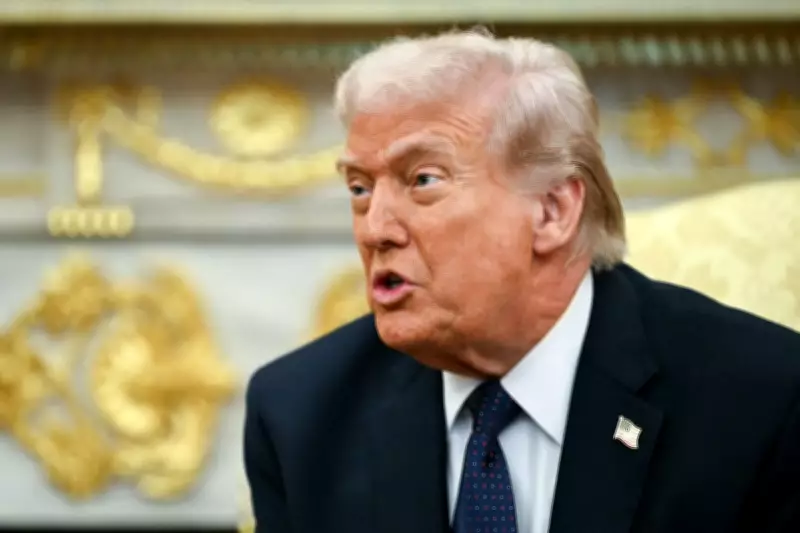
In a startling revelation on Tuesday, former President Donald Trump admitted that United States military strikes in Iran have resulted in the deaths of individuals who were once viewed as preferred successors to lead the nation following the eventual passing of Supreme Leader Ayatollah Khamenei.
Escalating Tensions and Regional Concerns
Trump's comments emerge against a backdrop of heightened regional instability and growing apprehensions that America could be pulled into another protracted and costly military engagement in the Middle East. His administration has consistently sought to minimise such fears, but this latest admission underscores the complex and volatile nature of the situation.
A Candid Admission from the White House
Addressing reporters at the White House, Trump stated bluntly, "Most of the people we had in mind are dead." He further elaborated, indicating that subsequent groups of potential leaders might also have been eliminated, based on intelligence reports. "Now, we have another group. They may be dead also, based on reports. So I guess you have a third wave coming in. Pretty sure we’re not going to know anybody," he added, highlighting the fluid and unpredictable leadership landscape within Iran.

Worst-Case Scenario Outlined
Trump proceeded to outline his gravest concerns regarding the conflict, describing a scenario where a new Iranian leader emerges who is "as bad as the previous person." He expressed deep worry over this possibility, stating, "That could happen. We don’t want that to happen. It would probably be the worst, you go through this, and then in five years you realise you put somebody in who’s no better." This candid assessment reflects broader anxieties about the long-term implications of US foreign policy decisions in the region.
Broader Implications for US-Iran Relations
The admission has significant ramifications for ongoing diplomatic efforts and military strategies. It raises critical questions about the effectiveness of targeted strikes and their unintended consequences on political succession in Iran. Furthermore, it fuels debates about the risks of escalating into what Trump himself has previously termed an "endless war," a prospect that continues to loom large over international relations.
As tensions persist, Trump's remarks serve as a stark reminder of the delicate balance between assertive military action and the pursuit of stable, long-term outcomes in one of the world's most volatile regions.