







Entertainment
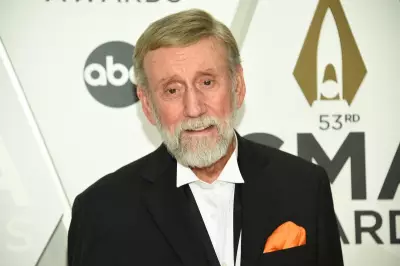
Country Music Legend Ray Stevens Breaks Neck in Nashville Fall
Grammy-winning country star Ray Stevens, 87, is recovering at home after breaking his neck in a fall. He will wear a neck brace for four weeks but remains mobile and in good spirits.





Politics

Indiana Woman Charged for Allegedly Stealing Sick Neighbour's Electricity
Tina Milburn, 50, faces burglary charges after allegedly using an extension cord to steal electricity from a cancer-stricken neighbour, Charles Lowe, racking up thousands in bills.



Sports

Katie Price's Husband Lee Andrews Eyes Ambitious Chelsea Takeover Bid
Dubai-based businessman Lee Andrews, husband of Katie Price, announces a 'crazy and ambitious' plan to buy a majority stake in Chelsea FC, challenging current owner Todd Boehly amid the club's financial struggles and mixed on-field performance.



Crime

Primrose Hill Stabbing Victim Identified as 21-Year-Old Finbar Sullivan
Finbar Sullivan, 21, has been named as the victim of a fatal stabbing in Primrose Hill, London. Police are appealing for witnesses and social media footage following the altercation in the busy park.






Health





Weather

UK Forecast: Spring Heatwave to Hit 30C as Records Tumble
Meteorologists warn Britain could see temperatures soar above 30C in late spring, with today's unseasonable 26C highs breaking April records and signaling a potentially sweltering summer ahead.

UK Warm Spell Before Temperatures Drop This Weekend
London is set to hit 26C on Wednesday, potentially the hottest day of 2026 so far, with warm weather across the UK before rain and cooler conditions arrive from Friday.
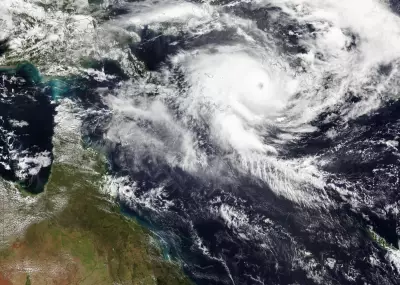
Cyclone Maila Hits Category Five Strength Before Australia Landfall
Severe Tropical Cyclone Maila has intensified to a category five storm over the Solomon Sea, posing heavy rain and flood risks for Queensland. It is the seventh severe cyclone this Australian season.

Turkey Travel Safety: FCDO Advice Amid Regional Tensions
The UK Foreign Office advises caution for travel to Turkey due to regional security risks, though flights from the UK continue. Here is the latest guidance.
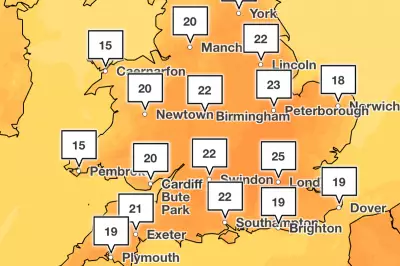
UK Set for 26C Heat in Warmest April for Six Years
The UK is experiencing unusually warm April temperatures, with forecasts predicting highs of 26C today, marking the warmest April in six years and a stark contrast to recent stormy weather.
Tuesday Test: Can You Answer These UK Sports Questions?
Test your knowledge of British sports with our Tuesday quiz featuring 100 questions about football, cricket, and rugby. Perfect for sports enthusiasts and trivia lovers.
