Trump Endorses Zelensky-Putin Summit as Ukraine Ramps Up Defence Measures
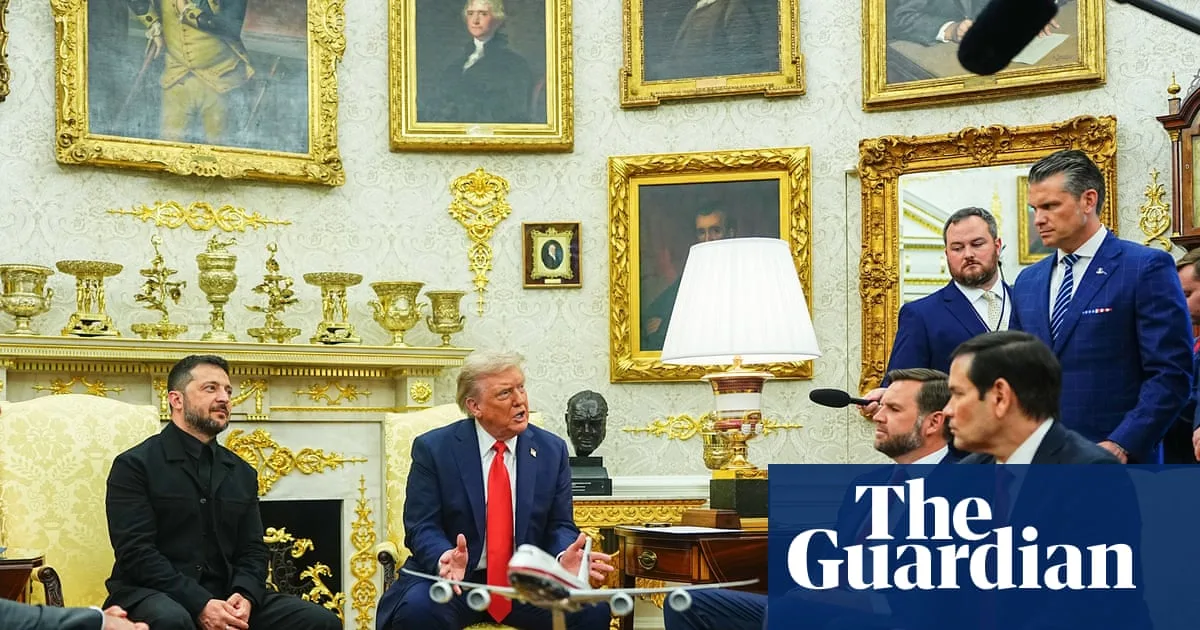
US President Donald Trump has given his backing to high-level peace talks between Ukrainian President Volodymyr Zelensky and Russian President Vladimir Putin, following a phone conversation between the American and Ukrainian leaders. Zelensky stated that Trump supports moving negotiations to the presidential level, describing this as "the only way to resolve all the complex and sensitive issues and finally end the war."
Accelerated Anti-Drone Deployment Across Frontline Areas
Simultaneously, Ukraine is significantly expanding its defensive capabilities against Russian drone attacks. Defence Minister Mykhailo Fedorov announced an ambitious plan to install anti-drone nets over 4,000 kilometres of roads in frontline regions by the end of 2026. The initiative aims to protect military supply routes, rear bases, hospitals, infrastructure, and civilian traffic from increasingly frequent Russian drone strikes.
"In March, we plan to close 20km of roads per day. By the end of the year, we plan to install another 4,000 km of anti-drone protection on roads," Fedorov declared. The minister revealed that installation speed has already increased from 5km daily in January to 12km in February, with an additional 1.6 billion hryvnias (£27 million) allocated from the budget to bolster these protective measures.
Starlink Blockade Delivers Strategic Advantage
Ukrainian military officials report that Elon Musk's decision to block Russian forces from accessing the Starlink satellite network has delivered a substantial tactical advantage. Brigadier General Andrii Biletski, commander of Ukraine's 3rd Army Corps, stated that Russia's drone campaign effectiveness has decreased by up to 40 percent since the blockade, describing the impact as "enormous."
"After the blocking of Starlink for the Russians, the level of their efficiency compared to ours has sharply decreased, because Starlink is practically irreplaceable as a combat communication system," Biletski explained.
Russia Faces Manpower and Financial Challenges
Western officials and military analysts suggest Russia's capacity to launch major new offensives has weakened significantly. According to anonymous Western officials speaking to Bloomberg, Russia's battlefield losses have exceeded its monthly recruitment of 30,000 to 35,000 new contract soldiers for three consecutive months.
The Institute for the Study of War reported that Moscow is facing "critical" manpower and military financing issues, with President Putin considering "domestically unpopular" measures such as mandatory reserve call-ups to sustain operations.
Sanctions Evasion Through British Territories
A new report from Transparency International's Russian office reveals that Russian firms allegedly used Britain's secretive island territories to conduct $8 billion (£5.9 billion) of trade since the invasion began. The transactions reportedly included equipment for Russia's oil sector, luxury yachts linked to Putin allies, and aircraft connected to Chechen warlord Ramzan Kadyrov.
Ongoing Diplomatic Efforts
Ukrainian and US negotiators continue diplomatic discussions in Geneva, with talks focusing on prisoner exchanges and post-war reconstruction plans. Kyiv hopes to attract approximately $800 billion in public and private funds over the next decade to rebuild the country, though officials acknowledge this depends on achieving a ceasefire and peace agreement.
Zelensky expressed gratitude for American "active involvement" in the peace process and for providing air defence systems that have helped Ukraine withstand winter attacks. The Ukrainian president remains cautiously optimistic about diplomatic progress while simultaneously strengthening defensive measures against ongoing Russian aggression.




