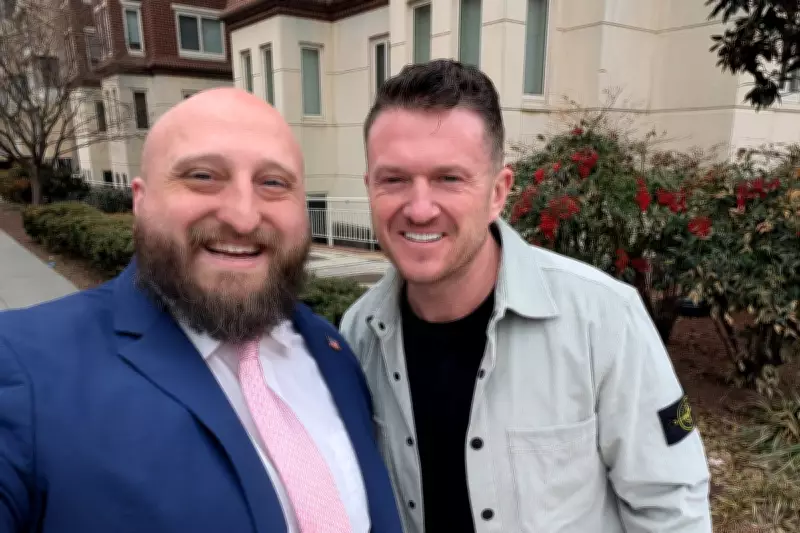
The Trump administration has hosted far-right activist Tommy Robinson at the US State Department in Washington, marking a significant diplomatic engagement that has ignited controversy and debate. Robinson, whose real name is Stephen Yaxley-Lennon, was pictured with Joe Rittenhouse, a senior adviser at the State Department, during the visit. Rittenhouse publicly lauded Robinson on social media, referring to him as a 'free speech warrior', a description that underscores the administration's apparent endorsement of his activities.
Background and Context of the Visit
This visit represents a notable shift in Robinson's ability to gain entry into the United States. Six years prior, his attempt to travel to America was thwarted when his visa was not granted in time, highlighting the challenges he faced under previous administrations. The successful entry this time around signals a change in policy or approach by the current Trump-led government, which has often championed free speech as a core principle, albeit in contentious contexts.
Robinson's Statements and Objectives
During his time in Washington, Robinson stated that he was in America 'making alliances and friendships', suggesting a strategic effort to build connections with like-minded individuals and groups. He viewed the visit as a clear example of the Trump administration's promotion of free speech, aligning with his own public persona and activism. This framing positions the encounter as more than a mere meeting, but rather a symbolic gesture of support from high-level US officials.

Political Reactions and Criticism
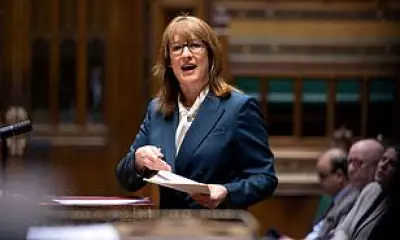
The visit has not gone unnoticed, drawing sharp criticism from various quarters. Scottish Green MSP Maggie Chapman expressed that the Trump administration welcoming Robinson is 'deeply alarming', reflecting broader concerns about the normalization of far-right figures in political discourse. Such reactions highlight the divisive nature of Robinson's presence and the potential implications for international relations and domestic politics.
Broader Implications and Analysis
This event raises important questions about the Trump administration's foreign policy priorities and its stance on free speech versus hate speech. By hosting Robinson, the administration may be signaling a willingness to engage with controversial figures under the banner of free expression, a move that could resonate with certain voter bases but alienate others. It also underscores the ongoing global debate over the limits of free speech and the role of governments in regulating or endorsing such activities.
As the story develops, it will be crucial to monitor any further interactions between Robinson and US officials, as well as the responses from political leaders and advocacy groups. The visit serves as a reminder of the complex interplay between politics, ideology, and diplomacy in today's interconnected world.