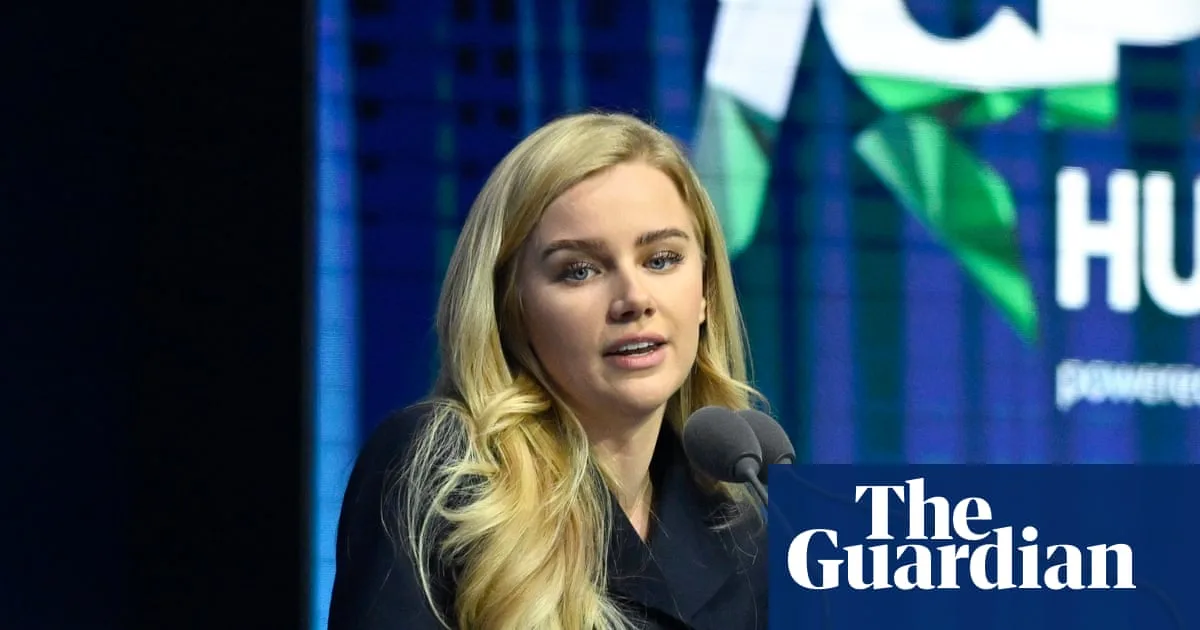
The UK government has taken the significant step of barring a prominent right-wing Dutch commentator from entering the country. Eva Vlaardingerbroek has had her electronic travel authorisation (ETA) revoked, with authorities stating her presence in Britain is 'not considered to be conducive to the public good'.
Link to Starmer Criticism and AI Controversy
Vlaardingerbroek, who has shared platforms with the controversial English activist Tommy Robinson, believes the ban is directly connected to her recent political commentary. She has been an outspoken critic of Prime Minister Sir Keir Starmer, particularly targeting his stance on two contentious issues.
Her criticism focused on Sir Keir's opposition to Elon Musk's Grok AI tool, which has been embroiled in scandal over its potential use to create deepfake nude images. Simultaneously, she has challenged his government's handling of matters related to migrant gangs. The travel prohibition comes at a sensitive time, as the UK government is engaged in ongoing discussions with Mr Musk's X platform concerning content moderation policies and the role of Grok.
Government Action and Activist's Response
The decision to withdraw Vlaardingerbroek's ETA was enacted on Thursday 15 January 2026. The Electronic Travel Authorisation system is a requirement for visitors from visa-exempt countries, and its withdrawal effectively blocks her entry to the United Kingdom.
While the Home Office does not routinely comment on individual cases, the phrase 'not conducive to the public good' is a power used to exclude individuals believed to pose a threat to public order or national security. Vlaardingerbroek has publicly framed the ban as a political move, suggesting it is a reaction to her dissenting views rather than a neutral security assessment.
Broker Context of Tech and Speech Debates
This incident sits at the crossroads of several heated national debates. It touches upon freedom of speech, the regulation of emerging artificial intelligence technologies, and the boundaries of political discourse. The reference to Grok AI ties the story to a wider investigation, as regulator Ofcom has launched a probe into the AI platform specifically regarding deepfake nude imagery.
The ban underscores the increasing scrutiny faced by both high-profile online commentators and the social media platforms that host them. As governments grapple with the challenges of moderating harmful content while protecting free expression, cases like Vlaardingerbroek's are likely to fuel further controversy and discussion about where the line should be drawn.






