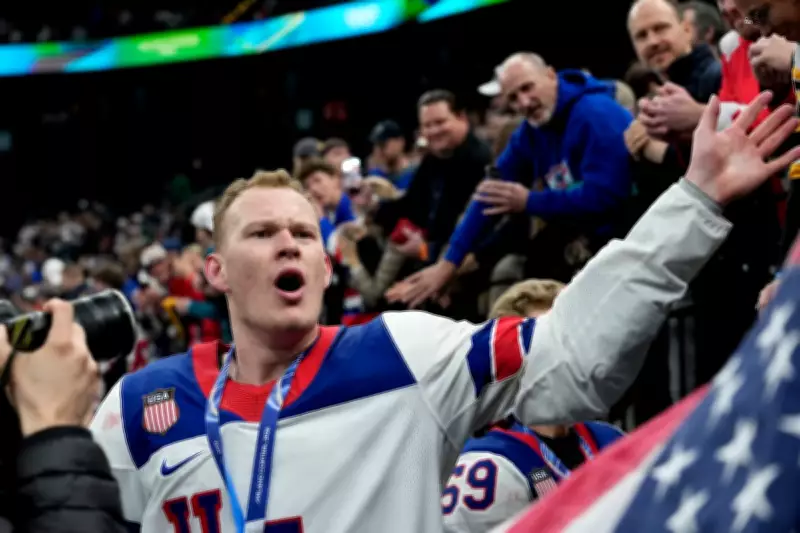
American hockey player Brady Tkachuk has publicly condemned a White House TikTok video as "clearly fake" after it depicted him making derogatory remarks about Canadians. The incident follows Team USA's gold medal win at the Winter Olympics, sparking controversy over the use of AI-generated media in political communications.
Tkachuk's Strong Rejection of Fabricated Content
On Thursday, Brady Tkachuk expressed his dismay at a doctored TikTok video shared by the White House, which falsely suggested he was disparaging Canadians after the Olympic victory. He emphasized that the audio was fabricated, featuring a bleeped-out expletive and mismatched lip movements, and stated he would never use such language. The video included a disclaimer noting it "contains AI-generated media," but Tkachuk insisted it was misleading and harmful.
Denial of Additional Allegations
In addition to the TikTok video, Tkachuk denied being the voice heard shouting "close the northern border" during a celebratory phone call with U.S. President Donald Trump after Team USA's 2-1 win over Canada. This further fueled speculation about the authenticity of media surrounding the event, though the White House has not yet commented on the matter.

Background and Context of the Incident
Brady Tkachuk, a 26-year-old Arizona native and captain of the NHL's Ottawa Senators, recently returned from Italy with the U.S. team to resume the NHL season. The controversy emerged amid celebrations, with some team members attending President Trump's State of the Union speech in Washington, where they received cheers. Notably, the U.S. women's hockey team also defeated Canada 2-1 in overtime, marking the first American sweep of both Olympic hockey tournaments.
Implications for Media and Politics
This incident highlights growing concerns about the misuse of AI-generated content in political spheres, potentially damaging reputations and spreading misinformation. Tkachuk's swift response underscores the importance of verifying media authenticity, especially in high-profile contexts like international sports and government communications.
As the story develops, questions remain about the White House's role in sharing the video and the broader impact on U.S.-Canada relations. Fans and analysts alike are watching closely, with calls for greater accountability in digital media practices.