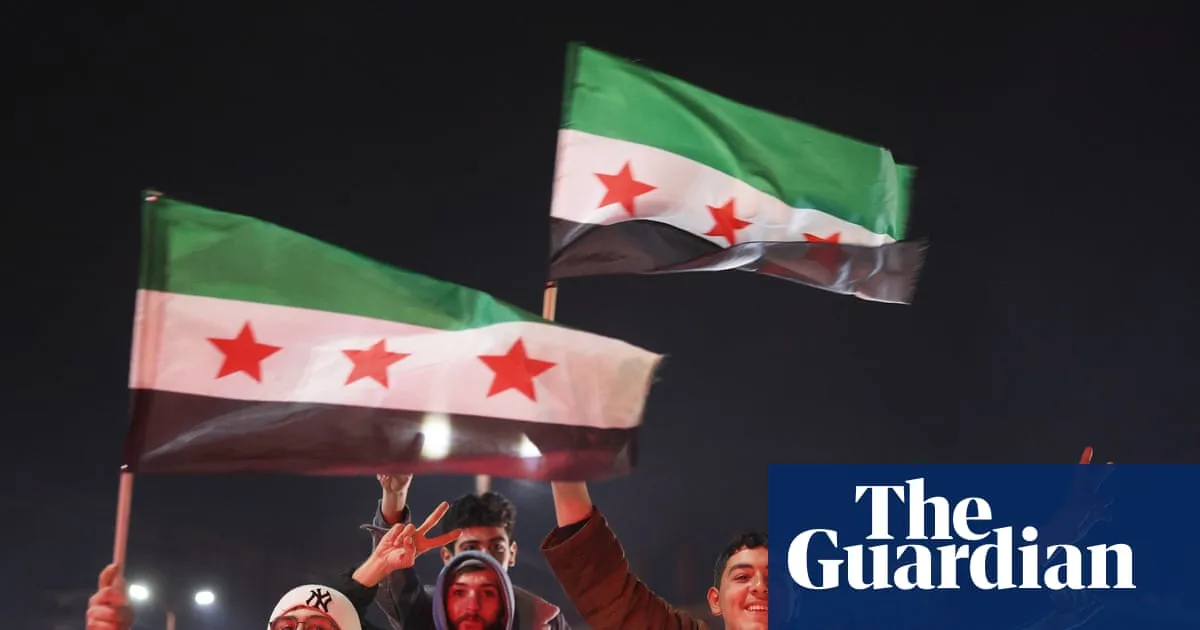
In a dramatic shift of power, Syrian government forces have entered the northern city of Raqqa, greeted by celebrating crowds, following a ceasefire agreement announced on Sunday with the Kurdish-led Syrian Democratic Forces (SDF).
A Decade of Division Ends
The deal, confirmed by both Damascus and SDF leader Mazloum Abdi, marks the effective dismantling of the SDF's autonomous control over north-eastern Syria, which lasted over ten years. The agreement stipulates the SDF's withdrawal from the strategically vital provinces of Raqqa and Deir el-Zour, areas rich in oil and gas fields and containing key infrastructure like Euphrates river dams.
Syrian President Ahmad al-Sharaa hailed the pact as a "victory for all Syrians," expressing hope it would end the nation's state of division. The breakthrough follows escalated tensions earlier this month, which saw government forces advance on SDF positions in eastern Aleppo province, leading to a retreat by the Kurdish-led group.
Terms of the Truce and US Involvement
The comprehensive agreement outlines a significant transfer of power and resources. Key elements include:
- The complete dismantling of the SDF as a military force, with its fighters integrating into Syrian state military and security apparatus.
- The handover of border crossings and all oil and gas fields in Raqqa and Deir el-Zour to Damascus.
- The return of civilian administration in the Kurdish heartland of Hassakah province to government control.
- The transfer of SDF-run prisons and camps holding Islamic State fighters and families to Syrian authorities.
US envoy Tom Barrack was involved in discussions, meeting with President al-Sharaa as the advance unfolded. Barrack praised the ceasefire on social media, calling it a "pivotal inflection point" towards a unified Syria. SDF leader Abdi reportedly joined the talks by phone.
Implementation and Celebrations on the Ground
While a clear timeline for implementation remains vague, President al-Sharaa stated the process would be gradual, starting with the immediate cessation of hostilities. The deal was reportedly sweetened for Kurdish interests by a presidential decree strengthening Kurdish rights within Syria.
On the ground, the immediate effect was visible. Large military convoys swept into Raqqa on Sunday evening as SDF forces withdrew. The city's streets filled with residents waving Syrian flags, setting off fireworks, and celebrating late into the night. The scene signified a stark reversal from the SDF's long-held control of the city, once the de facto capital of the Islamic State.
This agreement represents the most significant step towards nationwide control for the post-Assad government, which has struggled to assert its authority since taking power in December 2024. An earlier integration pact in March failed to gain traction, but the current military pressure appears to have forced a conclusive resolution.






