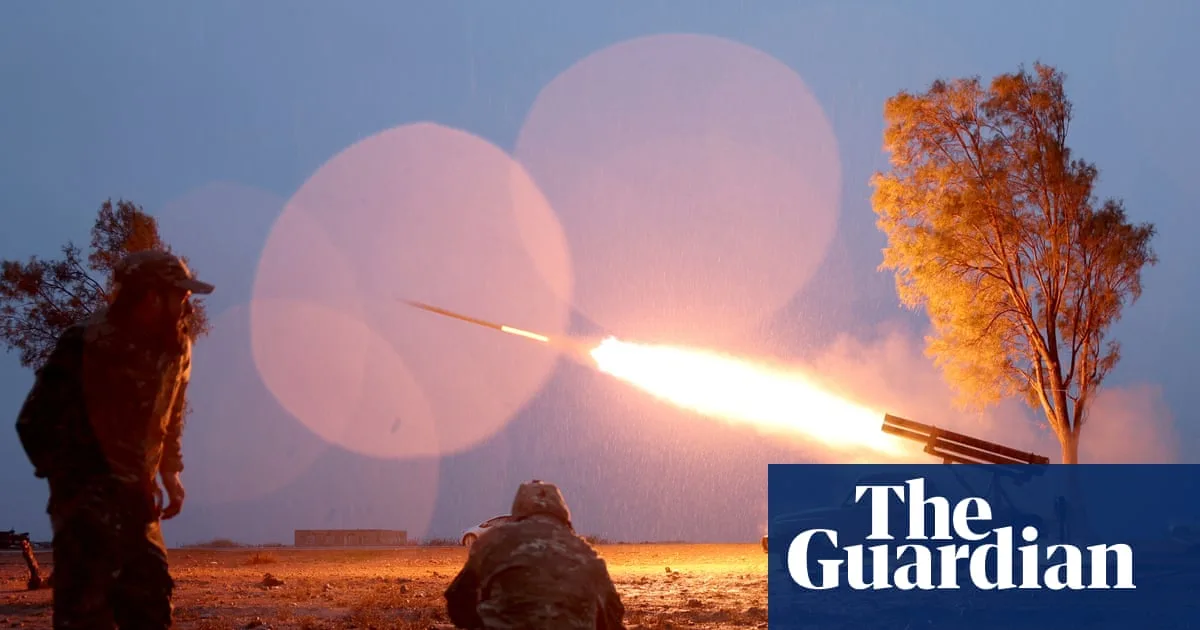
In a significant escalation that has shattered a fragile peace process, forces loyal to the Syrian government have advanced into several towns in the country's north, dislodging Kurdish troops from territory they held for over a decade. The move represents a major setback for diplomatic efforts to integrate Kurdish forces into the national army.
Military Advance Derails Stalled Accord
The Syrian army announced on Saturday that it had taken control of the strategic northern city of Tabqa and its adjacent dam, as well as the major Freedom dam west of Raqqa. This advance occurred despite calls from the United States for the offensive to halt.
The military push follows the stalling of a March 2025 deal designed to fold the Kurdish-led Syrian Democratic Forces (SDF) into the state's military structures. Just last week, government troops expelled Kurdish fighters from two neighbourhoods in Aleppo, and on Saturday extended control to areas east of the city.
For days, Syrian forces had massed around villages west of the Euphrates River, calling on the SDF to redeploy to the opposite bank. Initial withdrawals were agreed upon, covering the main town of Deir Hafer and surrounding villages. Residents there reportedly celebrated the army's arrival. "It happened with the least amount of losses. There’s been enough blood in this country," Hussein al-Khalaf, a Deir Hafer resident, told Reuters.
Accusations of Betrayal and Broken Agreements
The SDF has accused Damascus of a grave betrayal. While its fighters withdrew from certain areas early on Saturday as a gesture of goodwill, they claim Syrian troops immediately violated the agreement by pushing further east into towns and oilfields not included in the deal.
"Damascus had violated the recent agreements and betrayed our forces," the SDF stated on Saturday, reporting clashes with troops south of Tabqa. In response, the Syrian army urged the SDF to "immediately fulfil its announced commitments and fully withdraw" east of the Euphrates.
The situation rapidly deteriorated. Syrian state media reported on Sunday that Kurdish-led forces destroyed two main bridges over the Euphrates in the Raqqa region, including the new Alrashid bridge. The strategic oilfields of Rasafa and Sufyan were captured by government troops, according to the Syrian Petroleum Company.
International Calls for De-escalation Amid Deepening Faultlines
The violence has drawn international concern. Brad Cooper, head of the US military’s Central Command, called for Syrian troops to "cease any offensive actions" between Aleppo and Tabqa. French President Emmanuel Macron and Iraqi Kurdistan leader Nechirvan Barzani also appealed for a ceasefire and de-escalation.
The conflict deepens the rift between the government of President Ahmed al-Sharaa—who has vowed to reunify Syria—and Kurdish authorities wary of his Islamist-led administration. Months of talks in 2024 aimed at integrating Kurdish institutions by the end of 2025 made little progress, leading to the current clashes.
Casualties have been reported on both sides. The Syrian army said four of its troops were killed by Kurdish militants, while the SDF acknowledged losses without providing a number. US-led coalition aircraft were observed flying over flashpoint towns, releasing warning flares.
This offensive forces a difficult recalibration for US policy, which has long supported the SDF in the fight against Islamic State but now also engages with President Sharaa's government. US envoy Tom Barrack travelled to Erbil in northern Iraq on Saturday for crisis talks with SDF commander Mazloum Abdi and Kurdish leader Masoud Barzani.
With Kurdish forces still holding Arab-majority areas rich in oil and gas in eastern Syria, and Arab tribal leaders signalling readiness to oppose the SDF if ordered by Damascus, the prospects for stability appear increasingly fragile. The latest violence threatens to unravel years of precarious coexistence and reignite a devastating conflict.






