The Prime Minister has condemned drone and missile strikes by Iran against the United Arab Emirates, amidst escalating tensions in the Middle East. Sir Keir Starmer joined calls for de-escalation, urging Iran to engage "meaningfully" in talks to ensure the current Middle East ceasefire was maintained.
Meanwhile, a US military commander accused Iran of attempting to "terrorise and threaten" vessels, stating American forces were helping restore international shipping. Admiral Brad Cooper, who heads central command, asserted his military had "the clear advantage" with an "enormous amount of capability and firepower" in and around the Strait of Hormuz.
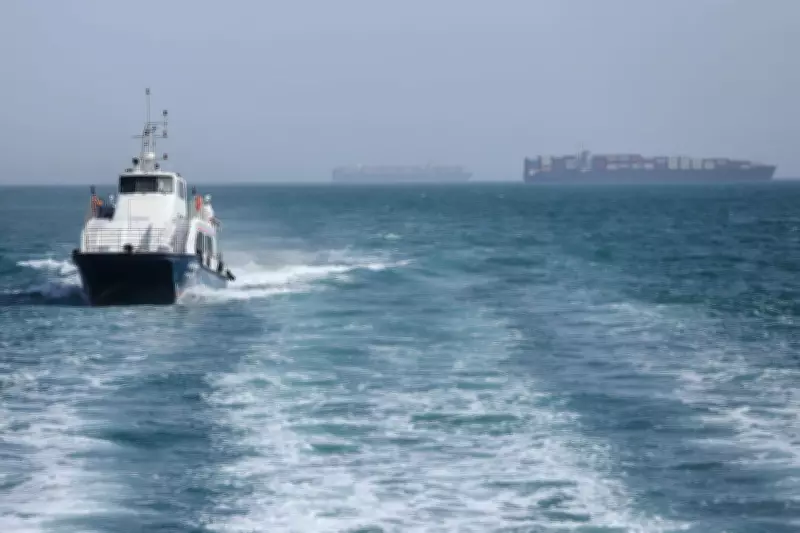
His comments came as two US-flagged cargo ships passed through the critical waterway, part of a push by Donald Trump to reopen the maritime pinchpoint. The effective closure of this vital supply line for oil and gas has inflicted a global economic shock, sending energy prices soaring.

However, the move to restore the sea route and free some 2,000 vessels stranded in the stand-off has shaken the fragile ceasefire in the region.
Sir Keir Starmer demanded an end to the escalation and urged Iran to engage "meaningfully" in talks to ensure the current Middle East ceasefire was maintained. The United Arab Emirates said it came under attack for the first time since the truce took hold in early April.
An Iranian drone strike triggered a fire at a key oil facility, while it was reported two cargo vessels were on fire off the country's coast. The American military said it had destroyed six Iranian small boats and intercepted cruise missiles and drones fired by Tehran.
Sir Keir said: "The UK condemns the drone and missile strikes targeting the United Arab Emirates. As I set out during my visit to the region last month, stability in the Gulf directly affects the UK. We stand in solidarity with the UAE and will continue to support the defence of our partners in the Gulf. This escalation must cease. Iran needs to engage meaningfully in negotiations to ensure the ceasefire in the Middle East endures, and a long-term diplomatic solution is achieved."
Admiral Cooper said: "We have defeated each and every one of those threats through the clinical application of defensive munitions." He said rather than providing traditional escorts to vessels the US had put in place "a much broader defensive package". He also pointed out a blockade of Iranian ports remained in place to prevent oil shipments.
Meanwhile, Tehran has disputed US claims it had sunk six of its vessels and again warned all shipping must have its permission to transit the strait. Major general Ali Abdollahi told state TV: "We warn that any foreign military force – especially the aggressive US military – that intends to approach or enter the Strait of Hormuz will be targeted."
Despite the continuing impasse in the Gulf and the threat of fresh hostilities, Mr Trump insisted it was "working out very nicely". Speaking to small business leaders at the White house, the US president again insisted that Iran could not be allowed to develop a nuclear weapon. He said: "They have no navy, they have no air force, they have no anti-aircraft equipment. They have no radar, they have no nothing." Mr Trump described it as a mini-war "because that's all they are". Referring to the spike in oil prices, he added: "I see it going down very substantially when this is over." Mr Trump said at the weekend he was considering a new Iranian proposal to end the war but expressed doubt it would lead to a deal.