Spain has issued a strong rebuttal to claims from the White House that it has acquiesced to Donald Trump's trade threats, as European nations continue to resist supporting the United States' military campaign against Iran. The diplomatic standoff highlights deepening transatlantic divisions over the escalating conflict in the Middle East.
White House Assertions Meet Spanish Denial
Last night, White House spokesperson Karoline Leavitt informed reporters that Spain had ultimately consented to permit the United States to utilise joint military installations within its territory to bolster offensive operations targeting Iran. Leavitt stated, 'With respect to Spain, I think they heard the president's message yesterday loud and clear, and it's my understanding, over the past several hours, they've agreed to cooperate with the US military.'
However, Spanish Foreign Minister Jose Manuel Albares delivered a categorical denial of these allegations during an appearance on the Hora25 radio programme. Albares emphasised, 'Not a single comma has changed, and I have no idea whatsoever what they might be referring to.' This forceful contradiction underscores Madrid's unwavering position against involvement in the US-led strikes.

Trump's Threats and European Backlash
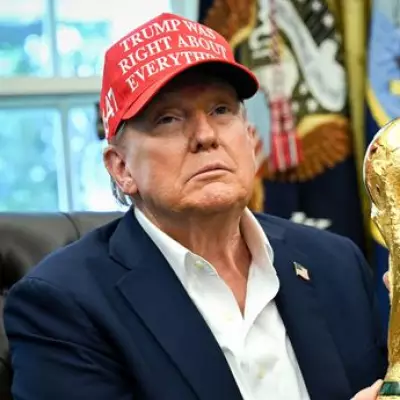
Earlier this week, former President Donald Trump menaced to terminate all trade relations with Spain after Prime Minister Pedro Sanchez declined authorisation for American forces to access shared military facilities in southern Spain for assaults on Iran. Trump provocatively added that the US might simply 'fly in and use it', asserting, 'Nobody's going to tell us not to use it, but we don't have to.'
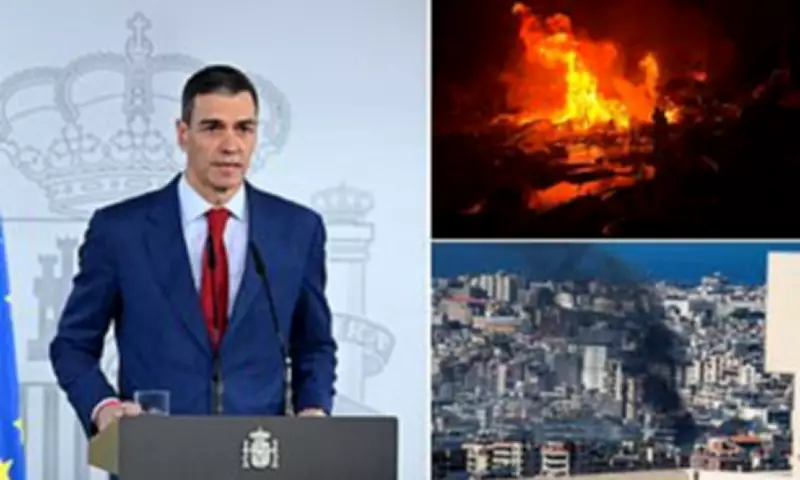
In response, Prime Minister Sanchez accused Trump of engaging in 'Russian roulette' with countless lives by executing airstrikes in Iran. Sanchez condemned the US-Israeli military intervention as 'unjustifiable' and 'dangerous', summarising Spain's stance with the phrase 'No to the war.'
European Military Deployments and Diplomatic Moves
Despite its refusal to support offensive actions, Spain announced it will dispatch its most advanced frigate, the 'Cristobal Colon', to safeguard Cyprus following a drone attack on a British base there. The vessel will join French and Greek naval units to provide aerial defence and potential civilian evacuation support, according to a defence ministry statement.
French President Emmanuel Macron aligned with Sanchez in criticising the US and Israeli strikes, labelling them illegal in a televised address. Macron declared the attacks were 'outside the bounds of international law' and disclosed enhanced French military deployments to the Mediterranean, including the aircraft carrier 'Charles de Gaulle' and additional assets to Cyprus. He stressed these measures are 'strictly defensive in nature' aimed at protecting allies and fostering peace.
Concurrently, France authorised temporary US aircraft presence at its Middle Eastern bases, citing protection for Gulf partners. Meanwhile, Germany's Friedrich Merz visited the White House, where Trump commended German cooperation on base access, with Merz expressing a shared objective to overthrow Iran's regime.
Trade Implications and Legal Complexities
The feasibility of Trump's trade threat against Spain remains questionable, given Spain's membership in the European Union, which negotiates trade agreements collectively for all twenty-seven member states. A spokesperson from Prime Minister Sanchez's office clarified, 'If the US administration wishes to review the trade agreement, it must do so respecting the autonomy of private companies, international law, and bilateral agreements between the European Union and the United States.'
This episode illustrates the intricate balance European nations must strike between alliance commitments and sovereign foreign policy decisions, as the conflict with Iran draws broader international involvement and sparks contentious diplomatic exchanges.