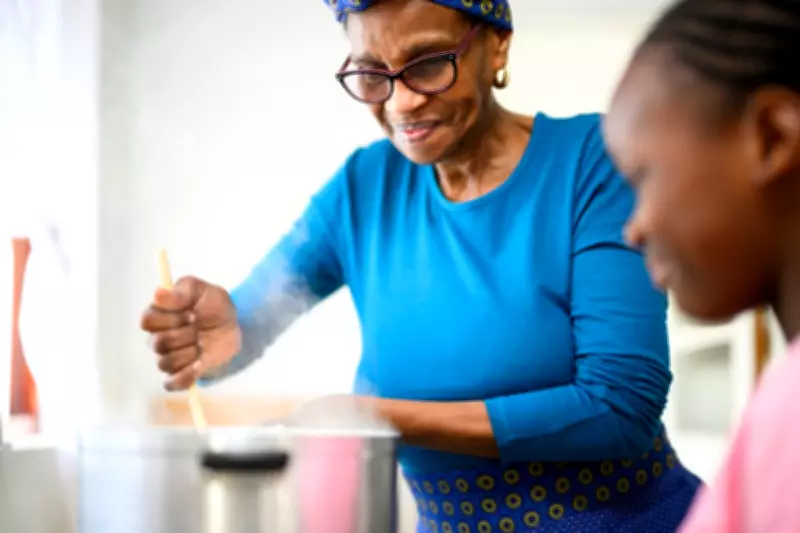
A groundbreaking six-year study from Japan has revealed that preparing a home-cooked meal at least once a week can significantly reduce the risk of dementia in older adults by up to 30 percent. The research, involving nearly 11,000 participants aged 65 and over, found that the benefits were even more pronounced for those with little cooking experience, with new cooks seeing their risk slashed by up to 70 percent.
Key Findings from the Japanese Gerontological Evaluation Study
The comprehensive study, which tracked cognitive health until 2022 through detailed questionnaires, demonstrated a clear correlation between cooking frequency and reduced dementia incidence. Approximately half of the participants cooked up to five times weekly, and researchers observed that "the risk of dementia became lower as people cooked more frequently."
The protective effects were particularly significant for individuals with limited cooking skills and experience, suggesting that taking up cooking later in life can provide substantial cognitive benefits. Among the more than 10,000 participants, 1,195 developed dementia during the study period, with mild cases excluded from the analysis.

Gender Differences and Cooking Experience
The research uncovered notable gender disparities in cooking's protective effects. Women, who face nearly double the risk of Alzheimer's disease compared to men, experienced a three percent lower dementia risk when cooking from scratch weekly. More experienced cooks also demonstrated lower dementia risk than novices, though increased frequency beyond regular cooking didn't provide additional protection.
Women and skilled chefs naturally tended to prepare more meals at home than men and inexperienced cooks. The researchers emphasized that "creating an environment where people can cook meals when they are older may be important for the prevention of dementia."
Why Cooking Protects Brain Health
Cooking represents a multifaceted activity that engages both physical and cognitive functions. The process requires organizing ingredients, following recipes, improvising when necessary, and performing various physical tasks like chopping, slicing, and stirring. This combination stimulates multiple brain regions and sensory systems simultaneously.
Recent research has shown that physical exercise can strengthen the blood-brain barrier—the protective layer of cells that weakens with age and contributes to increased dementia risk. Cooking provides moderate physical activity while simultaneously engaging cognitive processes through planning and execution.
The Social and Psychological Dimensions
Cooking often serves as a social activity, which helps maintain brain activity and may delay Alzheimer's onset. According to Suzanne Fitzsimmons, a nurse practitioner and former therapeutic geriatric care instructor at the University of North Carolina Greensboro, "Cooking has a powerful meaning for older adults. For some, it can be integral to feelings of self-worth and identity."
The Australian Alzheimer's group Forward with Dementia notes that cooking can improve mental health and self-esteem, adding another dimension to its protective benefits. These psychological aspects complement the cognitive stimulation cooking provides through problem-solving and creativity in the kitchen.
Broader Implications for Dementia Prevention
While the Japanese study's findings are observational, they align with existing research on activities that can slow Alzheimer's progression and other dementia forms. Cooking joins other brain-boosting activities like puzzles, games, and social engagement that help maintain cognitive function despite age-related changes.
Previous research has indicated cooking could benefit Alzheimer's patients, though it may not be suitable for everyone depending on their condition and capabilities. The combination of physical movement, sensory stimulation, cognitive engagement, and potential social interaction makes cooking a uniquely comprehensive activity for brain health maintenance.

With over 7 million Americans currently living with Alzheimer's disease, these findings offer practical, accessible strategies for dementia prevention that can be implemented in daily life. The research underscores the importance of maintaining active, engaged lifestyles through meaningful activities like cooking as people age.