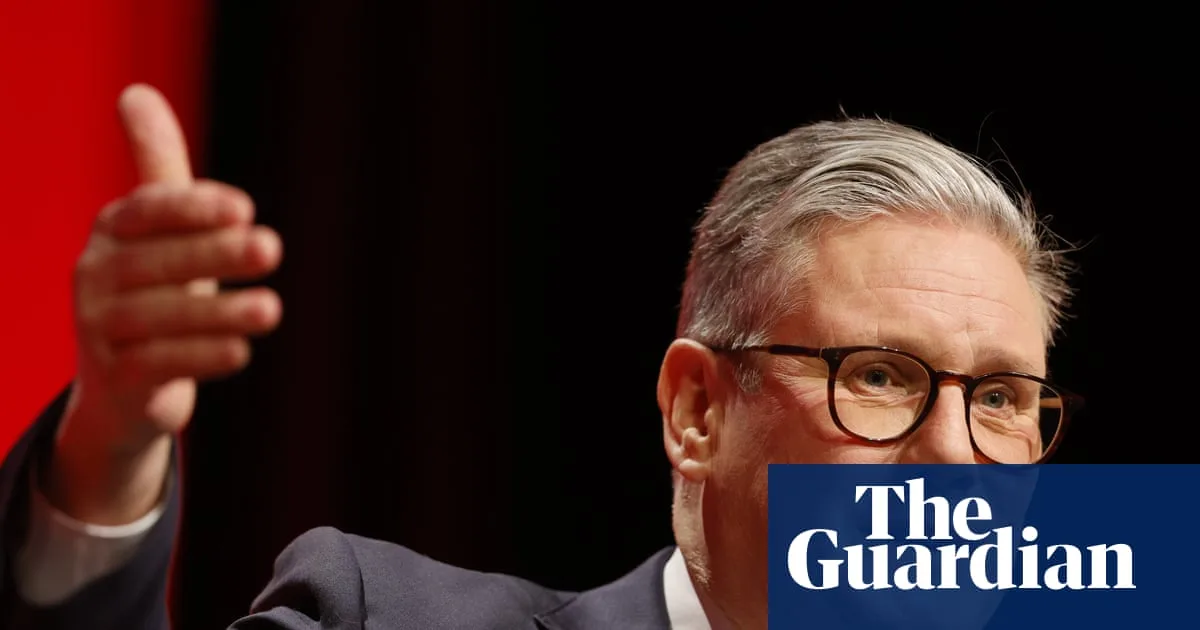
Dozens of European Union laws are set to be imported into the United Kingdom under new legislation to be introduced by Prime Minister Sir Keir Starmer. As the Government's controversial drive to bring Britain closer to Brussels gains momentum, the Prime Minister will bring forward a bill to facilitate this process in the next parliamentary session.
Swift Transfer of EU Regulations
To be announced in May's King's Speech, the legislation will allow ministers to quickly transfer swathes of European Union law to the UK statute book. This move has prompted fresh accusations that Labour is reversing Brexit by stealth, undermining the hard-won democratic freedoms secured through the referendum.
Officials have reportedly already identified 76 directives and regulations that will be adopted by Britain. These cover a wide range of areas, from organic pet food standards to marmalade production specifications. The adoption is intended to secure a deal on food and agriculture standards with the European Union.
Sanitary and Phytosanitary Agreement
The Government is particularly focused on concluding the so-called Sanitary and Phytosanitary (SPS) agreement. Chancellor Rachel Reeves stated on Tuesday that this agreement would 'directly impact food prices in our shops.' The aim is to finalize the deal at a summit around the time of the tenth anniversary of the Brexit referendum this June.
The new law will then pave the way for other EU edicts to be adopted across various sectors of the economy. This follows the Chancellor's announcement last week expressing her desire for closer alignment with European standards in multiple economic areas.
Political Backlash and Criticism
Chairman of the European Research Group Mark Francois condemned the move, stating: 'So, the salami-slicing of our sovereignty by Labour is now set to be officially confirmed in this May's King's Speech. This is shameless Europhile behaviour by a zombie Government, facing humiliation at the polls and seeking solace by cosying up to the EU - at the expense of our hard-won democratic freedoms, which they now want to surrender, one sector at a time.'
Shadow Business Secretary Andrew Griffith added: 'With business already reeling under an onslaught of red tape - from employment law to packaging, sugar and tourism taxes - the last thing our stuttering economy needs is importing 76 extra new laws from the no-growth EU.'
Expert and Opposition Reactions
Former Brexit negotiator Lord Frost told the Financial Times, which first revealed details of the new law: 'The new bill will sideline democratic UK lawmakers by making a whole range of EU laws applicable in Britain without us getting any say in them. That's not alignment, it's subordination.'
Senior Reform UK MP Robert Jenrick commented: 'Rachel Reeves wants to reignite a Brexit debate to distract from her dire handling of the economy. This latest ploy will do nothing to lower taxes or cut people's bills, but it will pile on yet more bureaucracy to struggling businesses.'
Internal Labour Divisions
The legislation comes amid growing calls from senior figures within the Labour Party for the UK to go even further in its alignment with Europe. Some are advocating for rejoining the customs union or single market, which would represent a significant reversal of the party's previous positions.
London Mayor Sir Sadiq Khan has called for the party to campaign to re-enter the trade bloc, effectively reversing the 'red lines' established in Labour's last election manifesto. However, he was rebuffed by Business Secretary Peter Kyle, who emphasized the importance of leveraging Britain's freedom to secure trade deals globally.
Government's Stance on Future Direction
Business Secretary Peter Kyle told LBC: 'I think right now we have the policy that is right for the moment we're in: make sure we have the reset, that we explore all the opportunities we have with the EU, with the US, and also looking at the additional trade deals we've got around the world. Rather than plunging ourselves into a very long, protracted debate about rejoining we need to be looking at all of the incredible opportunities there are out there for partnerships around the world, both multilaterally and bilaterally, country-to-country.'
The introduction of this legislation marks a significant shift in the UK's post-Brexit relationship with the European Union, raising fundamental questions about sovereignty, economic alignment, and the future direction of British trade policy.






