Slovak Leader's Alarming Assessment of Trump's Psychological State
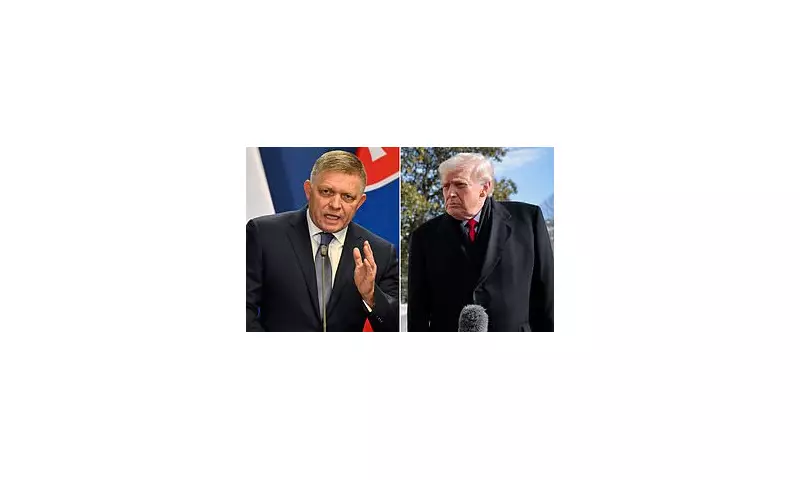
Robert Fico, the Slovak Prime Minister typically regarded as one of President Donald Trump's most vocal supporters within the European Union, has reportedly returned from Florida with a deeply concerning message for the continent. According to a Politico report, Fico conveyed to fellow EU leaders that he was profoundly "shocked" by the President's mental condition during a recent private encounter.
A Dramatic Shift in Perspective
This revelation marks a stark departure from Fico's usual public admiration for Trump's "America First" policies and his frequent criticisms of European weakness. Five senior European diplomats briefed on the high-stakes discussions indicate that Fico's previous enthusiasm has been replaced by grave concern.
The private meeting occurred at Trump's Mar-a-Lago estate on January 17, as confirmed by two diplomats. Fico specifically focused on Trump's "psychological state," using the term "dangerous" to characterise the President's demeanour during their intensive face-to-face conversation.

Emergency Summit Discussions
The Slovak leader reportedly shared these observations during an unofficial gathering of EU leaders on January 22, coinciding with an emergency summit in Brussels. This summit was hastily arranged to address the diplomatic crisis triggered by Trump's controversial plans regarding Greenland.
While the diplomats interviewed acknowledged they did not know the precise remarks from Trump that prompted Fico's reaction, one source revealed the Prime Minister had characterised Trump as being "out of his mind."
Contradicting Public Persona
This private warning represents a staggering reversal from Fico's rhetoric just twelve months earlier. Addressing the Conservative Political Action Conference, he was met with cheers as he praised Trump's impact on global affairs, stating, "Your president is doing Europe a great service."
Fico has consistently demonstrated his alignment with Trump's administration, particularly regarding the Russia-Ukraine conflict, a stance that frequently isolates him from other European capitals. Following their Mar-a-Lago meeting, he even posted a Facebook video highlighting his high-level access to the President.
Official Denials and Mounting Anxiety
Both Fico and the White House have vehemently denied the Politico report's claims. The Prime Minister took to social media platform X to state, "I must emphatically reject the lies of the Politico portal about how I assessed my meeting with US President Trump." He insisted there were no witnesses to support the allegations.
White House spokesperson Anna Kelly dismissed the accusations as "absolutely total fake news" from anonymous European diplomats seeking relevance, maintaining the Mar-a-Lago meeting was "positive and productive."
Nevertheless, anxiety appears to be spreading among European leadership. A sixth EU diplomat indicated that uncertainty about Trump's "unpredictability" is becoming a widespread concern among the continent's senior decision-makers, rather than an isolated worry.
Broader Diplomatic Context
This psychological assessment emerges against a backdrop of escalating transatlantic tensions. Earlier this month, Trump threatened eight European nations—including France, Germany, and the United Kingdom—with new tariffs, accusing them of obstructing his ambitions regarding Greenland.
Anxiety about the President's medical status is reportedly "rapidly becoming a more conversed topic at all levels" within Brussels diplomatic circles, according to an EU representative engaged in these talks. At 79, Trump has consistently rejected claims about declining mental clarity, recently telling New York Magazine he does not suffer from Alzheimer's disease.
The situation illustrates the complex and increasingly strained relationship between the United States and its European allies, with personal assessments of leadership psychology now entering diplomatic discourse at the highest levels.