

Satellite Images Reveal Damage to Afghanistan's Bagram Air Base from Pakistan Airstrikes
Satellite images have provided clear evidence that Afghanistan's Bagram air base sustained significant damage following a series of airstrikes conducted by Pakistan over the weekend. The imagery, obtained by international media, shows one hangar and two warehouses completely destroyed at the strategic military installation located approximately 44 kilometers north of Kabul.
Conflicting Reports and Military Clashes
The Afghan defence ministry initially confirmed that Pakistani strikes occurred in the early hours of Sunday but did not acknowledge any damage to the air base. Local police officials claimed Pakistani jets attempted to bomb the facility but were repelled by anti-aircraft guns, insisting the base suffered no structural harm. However, the satellite evidence directly contradicts these assertions, revealing the extent of the destruction.
According to reports citing Pakistani security officials, the airstrikes also destroyed military supplies stored at the base. This development comes as cross-border military clashes between the two South Asian neighbors entered their sixth consecutive day, reigniting a long-simmering conflict that has escalated dramatically in recent weeks.

Historical Significance of Bagram Air Base
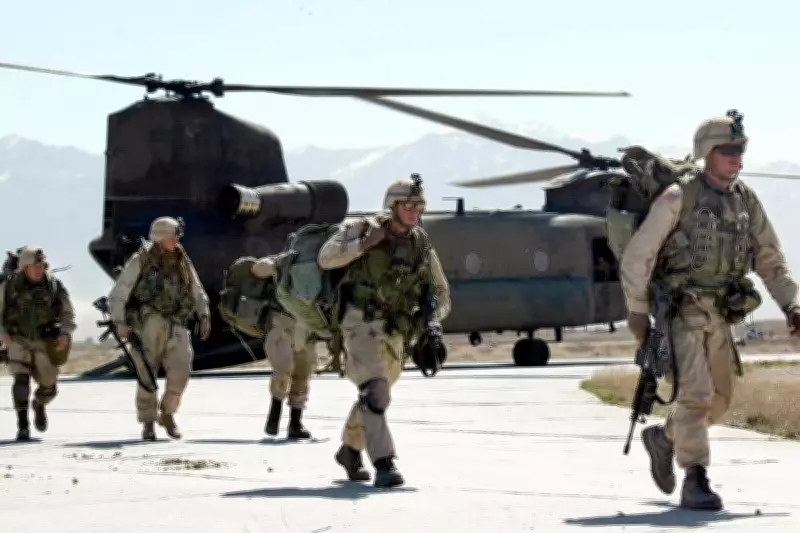
Bagram air base holds considerable historical and strategic importance, having served as the command center for United States forces during their occupation until the withdrawal in 2021. During the Donald Trump administration, there were reportedly attempts to negotiate with the Taliban for renewed American military access to the base, potentially as a forward operating base against China. The Taliban leadership categorically rejected these proposals at the time.
Expanding Conflict and Civilian Casualties
Beyond the Bagram strikes, Pakistani security sources claimed their forces targeted and destroyed another military base in Afghanistan's Nangarhar province. Meanwhile, Taliban fighters asserted they had captured an additional Pakistani border post in the Kandahar region, with fighting described as "still ongoing."
The United Nations Assistance Mission in Afghanistan reported at least 42 civilians killed and 104 wounded between February 26 and March 2. A UN statement clarified that "the civilian casualties include those caused by indirect fire in cross-border clashes as well as those caused by airstrikes," emphasizing these figures are preliminary and likely to rise.
Diplomatic Tensions and Accusations
Pakistan declared on Monday that its conflict with Afghanistan has now become an "open war." Islamabad accuses Kabul of harboring Islamist and ethnic insurgent groups, specifically the Tehreek-e-Taliban Pakistan and Balochistan Liberation Army, which Pakistan blames for carrying out an escalating campaign of terrorism within its borders. Afghan authorities consistently deny these allegations, creating a diplomatic stalemate that has fueled the recent military escalation.
The situation remains volatile with both sides exchanging fire across their shared border and civilian populations caught in the crossfire. The destruction at Bagram air base represents a significant escalation in the conflict, raising concerns about further deterioration in regional stability.






