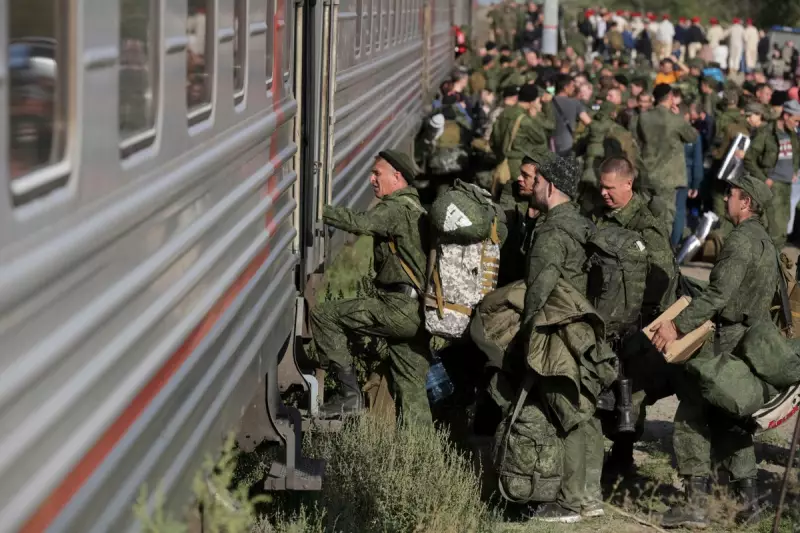
Russian authorities are deploying a multi-pronged strategy of financial incentives, prisoner releases and foreign recruitment drives to replenish troop numbers for its ongoing full-scale invasion of Ukraine, now approaching its fourth year. The Kremlin is pulling out all the stops to find new soldiers for the battlefield while avoiding another politically risky nationwide mobilisation.
The Recruitment Arsenal: From Cash to Citizenship
For average wage earners in Russia, military service now represents a significant financial opportunity. Regional authorities are offering enlistment bonuses that sometimes reach tens of thousands of dollars, far exceeding typical annual incomes. In the Khanty-Mansi region of central Russia, for example, an enlistee would receive approximately $50,000 in various bonuses – more than double the average annual income in an area where monthly salaries recently averaged just over $1,600.
The government supplements these substantial payments with extensive benefits including tax breaks, debt relief and other perks designed to make military service financially irresistible to many Russians. Despite official claims of relying on voluntary enlistment, media reports and human rights groups indicate that conscripts – men aged 18-30 performing mandatory military service who are normally exempt from deployment to Ukraine – are frequently pressured by superiors into signing contracts that send them directly into combat zones.

Prisoner Pipeline and Foreign Recruitment
Russia has expanded its recruitment efforts beyond traditional military channels, targeting both domestic prison populations and foreign nationals. Laws now permit the recruitment of both convicted prisoners and suspects in criminal cases, continuing a practice pioneered earlier in the war by the late mercenary chief Yevgeny Prigozhin and subsequently adopted by the Defense Ministry.
Foreign recruitment represents another critical component of Russia's troop replenishment strategy. Legislation offers accelerated Russian citizenship for enlistees, while reports indicate that raids in migrant communities within Russia pressure foreign nationals into military service. Some are reportedly lured to Russia by trafficking networks promising employment, only to be deceived into signing military contracts.
International Dimensions and Diplomatic Fallout
The foreign recruitment drive has created significant diplomatic tensions with multiple countries. Nepal's Foreign Minister confirmed in 2024 that his nation had requested Russia return hundreds of Nepali nationals recruited to fight in Ukraine, as well as repatriate the remains of those killed. Nepal has since banned citizens from traveling to Russia or Ukraine for work.
Similar situations have emerged with citizens from India, Bangladesh, Kenya, South Africa and Iraq. India's federal investigation agency reported breaking up a network that lured at least 35 Indian citizens to Russia under false employment pretenses, with the men subsequently trained for combat and deployed to Ukraine against their will. When Indian Prime Minister Narendra Modi met with Vladimir Putin in 2024, New Delhi secured commitments that "misled" nationals would be discharged from Russian military service.
Iraqi officials estimate approximately 5,000 of their citizens have joined the Russian military, with Baghdad cracking down on recruitment networks and securing a life sentence for one human trafficker last year. Families across multiple nations report relatives being deceived about employment opportunities in Russia, only to find themselves pressured into military contracts.
The Human Cost and Strategic Calculations
The exact human cost remains obscured by limited official transparency. While President Vladimir Putin stated last month that 700,000 Russian troops are fighting in Ukraine – repeating a figure from 2024 and slightly higher than the 617,000 cited in December 2023 – independent verification remains challenging. The British Defense Ministry suggested last summer that more than 1 million Russian troops may have been killed or wounded.

Independent Russian news site Mediazona, collaborating with the BBC and volunteer researchers, has documented over 160,000 troops killed by scouring news reports, social media and government websites. Their research indicates more than 550 of those fatalities were foreigners from over two dozen countries.
A Ukrainian agency for prisoner of war treatment recently claimed over 18,000 foreign nationals have fought or are fighting on the Russian side, with almost 3,400 killed and hundreds from 40 countries held as POWs in Ukraine.
Economic Strain and Future Challenges
Experts note that Russia's extensive recruitment efforts are becoming "extremely expensive" for a nation facing economic headwinds. Kateryna Stepanenko, a Russia researcher at the Washington-based Institute for the Study of War, observed that while the Kremlin has grown more "creative" in attracting enlistees over the past two years, these initiatives place significant strain on Russia's slowing economy.
The recruitment strategy appears designed to maintain a steady flow of troops without resorting to another broad mobilisation, which triggered mass emigration when 300,000 men were called up in 2022. A subsequent Putin decree made all military contracts effectively open-ended and barred soldiers from quitting service except under specific circumstances like reaching age limits or suffering incapacitating injuries.
Activists report that contracts often stipulate fixed terms like one year, leading potential enlistees to believe commitments are temporary, only to discover they automatically extend indefinitely. Foreign recruits face particular vulnerabilities, as Anton Gorbatsevich of the activist group Idite Lesom notes they typically lack Russian language skills and military experience, making them "dispensable" in the eyes of military commanders.
As the war continues with no clear end in sight, Russia's multifaceted recruitment drive – combining financial incentives, prisoner releases and international recruitment – demonstrates the Kremlin's determination to sustain military operations while managing domestic political pressures and international diplomatic consequences.