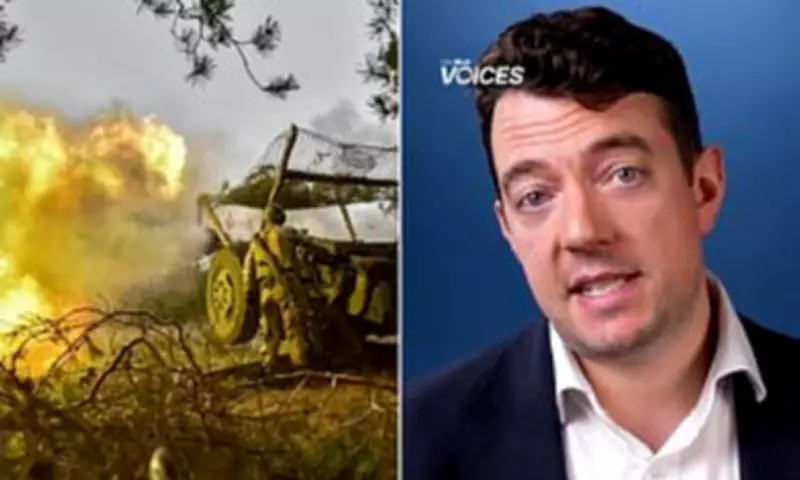
The ongoing conflict between Russia and Ukraine has evolved far beyond a regional dispute, escalating into a full-scale global war with profound implications for international security and diplomacy. This analysis examines the broader context and consequences of Russia's invasion, which began in February 2022, and how it has reshaped geopolitical alliances and military strategies across the world.
The Escalation to Global Conflict
Initially perceived as a localized aggression, Russia's invasion of Ukraine has rapidly expanded into a global confrontation. The conflict has drawn in numerous nations through military aid, economic sanctions, and diplomatic maneuvers, effectively turning it into a proxy war between major powers. Countries from Europe to Asia and the Americas have taken sides, with NATO members providing substantial support to Ukraine, while Russia has sought alliances with nations like China and North Korea.
International Alliances and Divisions
The war has starkly divided the international community, leading to a realignment of global alliances. Western nations have united in imposing severe economic sanctions on Russia, aiming to cripple its economy and military capabilities. In response, Russia has strengthened ties with non-Western states, creating new geopolitical blocs that challenge the post-Cold War order. This polarization has heightened tensions worldwide, raising fears of a broader military confrontation.

Humanitarian and Economic Impacts
The humanitarian toll of the conflict is staggering, with millions of Ukrainians displaced and thousands of civilian casualties reported. Beyond Ukraine, the war has triggered a global energy crisis, food shortages, and inflationary pressures, affecting economies from Europe to Africa. The disruption of grain exports from Ukraine, a major global supplier, has exacerbated food insecurity in developing nations, highlighting the interconnected nature of modern conflicts.
Military Strategies and Technological Warfare
Russia's invasion has showcased the evolution of modern warfare, with both sides employing advanced technologies such as drones, cyberattacks, and satellite intelligence. Ukraine's use of Western-supplied weaponry has demonstrated the effectiveness of asymmetric warfare against a larger conventional force. This has prompted other nations to reassess their defense strategies, investing in new technologies and hybrid warfare capabilities to counter similar threats.
Global Security Implications
The conflict has set dangerous precedents for international law and sovereignty, with Russia's actions challenging the post-World War II security framework. Nations worldwide are now reevaluating their defense postures, increasing military spending, and strengthening alliances in response to the heightened threat environment. The war has also raised concerns about nuclear escalation, as both Russia and NATO have engaged in saber-rattling, underscoring the risks of a wider conflict.
Diplomatic Efforts and Future Prospects
Despite numerous diplomatic initiatives, peace talks have stalled, with both sides entrenched in their positions. International organizations like the United Nations have struggled to mediate, reflecting the deep divisions within the global community. Looking ahead, the war's outcome will likely shape international relations for decades, influencing everything from trade policies to security alliances. Experts warn that without a negotiated settlement, the conflict could persist, continuing to destabilize global order.
In summary, Russia's invasion of Ukraine has transcended its origins to become a defining global conflict, with far-reaching consequences for security, economy, and diplomacy. As the war enters its third year, its impact continues to reverberate across continents, underscoring the urgent need for a cohesive international response to restore peace and stability.