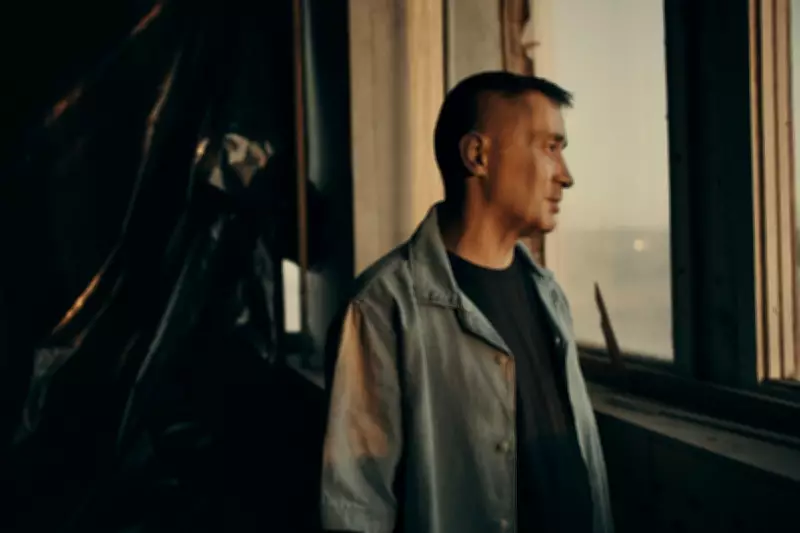
Russian Soldiers Detail Brutal Executions Ordered by Senior Commanders
Russian soldiers have provided harrowing accounts of witnessing their fellow troops being executed at point-blank range on the direct orders of senior commanders. These executions were reportedly carried out against soldiers who refused to participate in what they describe as suicide missions, often referred to as "meat storms," in the ongoing conflict in Ukraine.
The Zero Line: Inside Russia's War
In a new BBC documentary titled The Zero Line: Inside Russia's War, multiple soldiers share their traumatic experiences. As the war enters its fifth year, the UK Ministry of Defence estimates that approximately 1.2 million Russian troops have been killed or injured. The documentary reveals a grim picture of military discipline enforced through extreme brutality.
Witness Accounts of Executions
Dima, a 34-year-old former dishwasher repairman and father, described witnessing executions ordered by a highly decorated commander. He saw the bodies of 20 other soldiers lying in a pit after being "zeroed"—a Russian slang term for executing one's own comrades.

"I see it - just two metres, three metres. Just murders, just click, clack, bang. It's not a drama, it's not a movie, it's real life," Dima said. He noted that the executed men were all ex-convicts and had their bank cards confiscated before being killed. Dima, who served as a paramedic to avoid killing others, reported speaking with several of these men prior to their deaths.
Commander Alexei Ksenofontov Denounced
Dima referred to his commander, Alexei Ksenofontov, as a "butcher." Ksenofontov was awarded the Gold Star, Russia's highest state medal, and named a "Hero of Russia" in 2024. However, families of soldiers who died under his command have denounced him, calling on President Vladimir Putin to investigate allegations of brutality. Social media videos show family members crying, claiming their loved ones were "slaughtered" and sent to their deaths with only machine guns and shovels.
The "Meat Storm" Tactic
Executions are carried out against soldiers who refuse orders, including being sent to the frontline as part of a "meat storm." This tactic is part of Russia's broader "meat grinder" strategy, which involves sending waves of soldiers to wear down Ukrainian forces.
Denis, another former soldier, explained: "I saw them [commanders] send wave after wave, throwing men like meat at the Ukrainians, so they run out of ammo and drones and another wave can reach their objective." Dima witnessed a meat storm firsthand, stating, "You send three guys, then another three. It didn't work out, send 10. It didn't work out with 10, send 50. Eventually you will break through. That's the logic of the military." He added that his regiment suffered 200 deaths in just three days during their first meat storm, which destroyed the unit.
Sole Survivor Ilya's Testimony
Ilya, a 35-year-old soldier from Perm, worked in a command post documenting the dead. He provided the BBC with a detailed list of 79 men he was mobilised with, revealing he is the sole survivor. Ilya personally witnessed four soldiers being shot at point-blank range by a commander after they fled the frontline and refused to return.
"The saddest thing is that I knew them. I remember one of them screaming 'Don't shoot, I'll do anything!' but he [the commander] zeroed them anyway," Ilya said. He described being tortured and urinated on, while others were starved and forced into missions unarmed. Before the war, Ilya taught children with special needs and autism in Kungur, located in the Ural Mountains.
Torture and Promotion
Dima, who was eventually promoted to officer, reported being tortured for 72 days, including with electric shocks, for refusing to send his men on a meat storm. "Just torture only, every day with stone face. No emotions, it's crazy," he described. These accounts highlight the extreme pressures and brutal enforcement methods within the Russian military.

Russian Government Response
The Russian government has stated that its armed forces "operate with utmost restraint, as far as possible under the conditions of a high-intensity conflict, treating their personnel with maximum care." It added, "Information regarding alleged violations and crimes is duly investigated." However, the government noted it is unable to independently verify the accuracy or authenticity of the information provided by the soldiers.
These testimonies emerge four years after Russia's invasion of Ukraine, painting a stark picture of the human cost and internal dynamics of the conflict. The soldiers' stories underscore the severe consequences faced by those who resist orders in a war marked by high casualties and controversial tactics.