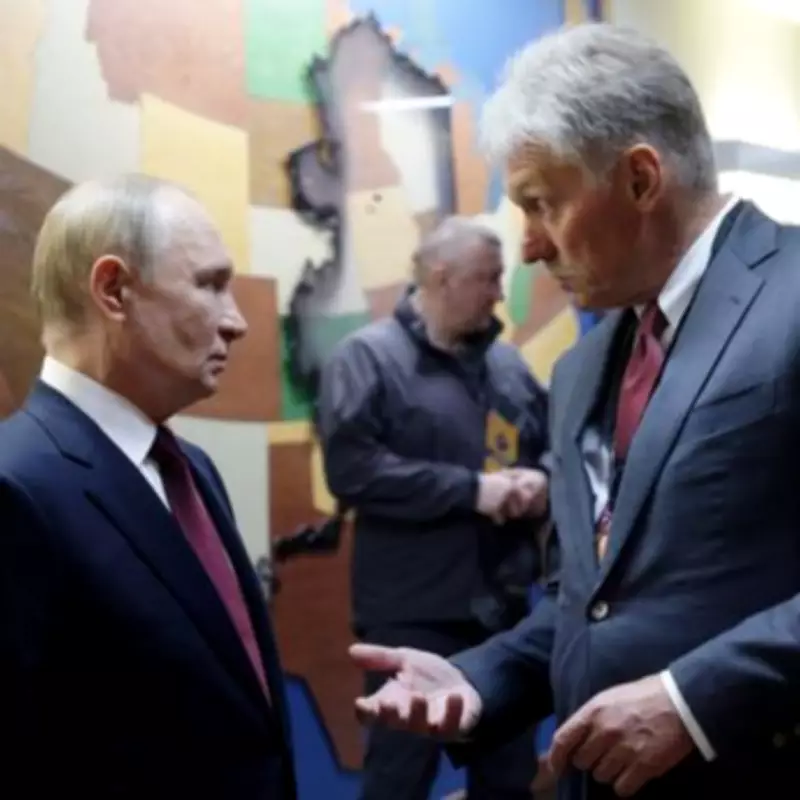
Russia has issued a chilling World War 3 warning to NATO, explicitly threatening to aim nuclear weapons at alliance territory in a dramatic escalation of geopolitical tensions. The stark declaration came from Russian presidential press secretary Dmitry Peskov, who stated that nuclear weapons could be targeted at Estonia if any nuclear weapons aimed at Russia appear there.
Direct Threat to Estonia
In a clear and unambiguous statement, Peskov warned, "If there are nuclear weapons on Estonian territory aimed at us, then our nuclear weapons will be aimed at Estonian territory. And Estonia must clearly understand this." This direct threat underscores the heightened risks in the region, as Russia continues to assert its military posture amid ongoing conflicts and diplomatic standoffs.
Context of Rising Tensions
The warning follows a period of increased friction between Russia and NATO, with the alliance expanding its presence in Eastern Europe in response to previous Russian aggression. Estonia, a NATO member since 2004, has been a focal point in these tensions, given its strategic location bordering Russia. This latest threat amplifies concerns about a potential nuclear confrontation, with experts noting that such rhetoric could destabilise international security frameworks.

Russian President Vladimir Putin has previously hinted at the use of nuclear capabilities in defence scenarios, but this explicit targeting of a NATO nation marks a significant intensification. The statement is seen as a deterrent against any NATO deployments that Russia perceives as hostile, reflecting Moscow's broader strategy to counter Western influence in its neighbouring regions.
Global Implications
The threat has sparked alarm among global leaders, with NATO officials likely to reassess defence postures in the Baltic states. This development could prompt emergency discussions within the alliance to bolster deterrence measures and ensure the security of member states. The warning also raises questions about the future of arms control agreements, as Russia's actions challenge existing non-proliferation norms.
As this story unfolds, it highlights the fragile state of international relations and the persistent threat of nuclear escalation in modern conflicts. The world watches closely, with hopes for diplomatic resolutions to prevent a catastrophic outcome.