
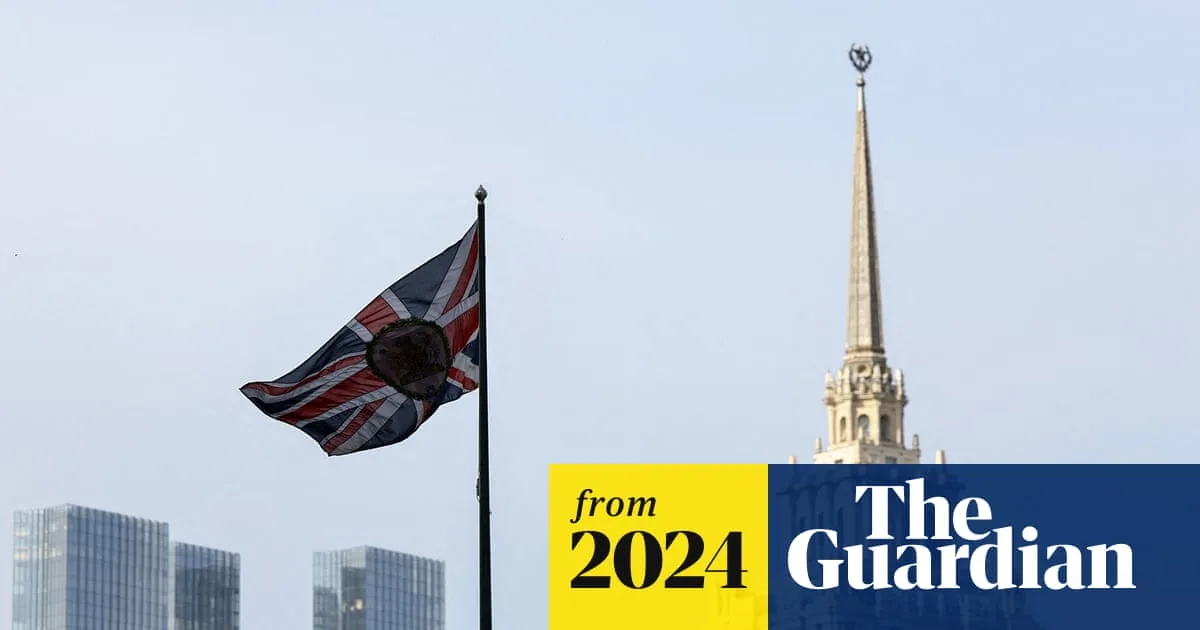
Russia has expelled a British diplomat accused of espionage, escalating tensions between London and Moscow following Ukraine's use of British weapons to strike inside Russia. The FSB, Russia's domestic intelligence agency, announced on Tuesday that it had evidence the diplomat engaged in 'reconnaissance and subversive activities threatening the country's security'.
The FSB claimed the diplomat provided false information when applying for entry into Russia, violating Russian law. Russian media reported the diplomat has been given two weeks to leave the country. The diplomat, whose photo was broadcast on Russian TV, was a replacement for one of six UK diplomats expelled in August on similar espionage charges, which the UK Foreign Office dismissed as baseless.
The Russian foreign ministry summoned British Ambassador Nigel Casey. The UK Foreign Office had no immediate comment. Relations have deteriorated further after Britain allowed Ukraine to use Storm Shadow missiles on Russian targets, following US approval for similar Atacms strikes. The decision was prompted by the deployment of over 10,000 North Korean troops on Russia's border with Ukraine.
Ukraine has since used Storm Shadow missiles to strike a command headquarters in Kursk. Bloomberg reported that Britain sent dozens more missiles to Ukraine weeks ago. Last week, President Putin launched an experimental ballistic missile at Dnipro and warned Moscow could strike Western countries supplying weapons to Ukraine.
Since Russia's full-scale invasion of Ukraine, both countries have engaged in tit-for-tat expulsions. In May, Britain expelled a Russian defence attache for spying, prompting Moscow to expel the British defence attache.




