Lawmakers from both US parties have promised legislative action to block Donald Trump’s threatened tariffs on European allies, though Republican support remains uncertain. The tariffs, targeting eight European countries including Nato allies Denmark, the UK, Germany and France, were announced by Trump over the weekend, with a 10% levy proposed from February escalating to 25% by June unless a deal is reached for the US to purchase Greenland.
Democratic Senator Peter Welch plans to introduce a resolution under the International Emergency Economic Powers Act to terminate the tariffs. However, Trump could veto the measure, requiring a two-thirds majority in both chambers to override—a high bar needing significant Republican defections. Representative Gregory Meeks and Senate Minority Leader Chuck Schumer have also indicated they will offer resolutions with binding authority.
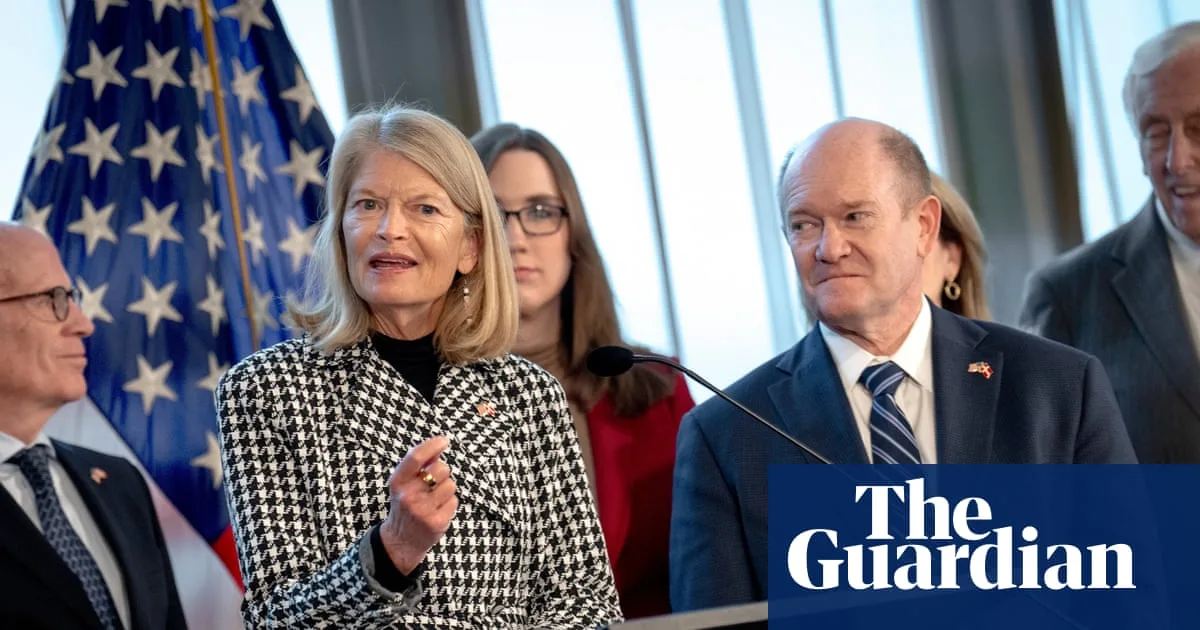
A bipartisan congressional delegation visited Denmark and Greenland over the weekend to reassure officials of US support. Senator Chris Coons, who led the trip, stated: “Greenland is a part of Denmark. Denmark is our Nato ally. That should be the end of this discussion.” Republican Senator Thom Tillis called the tariff threat “great for Putin, Xi and other adversaries who want to see Nato divided”, while Senator Lisa Murkowski described the move as “a profound mistake”.
Danish Prime Minister Mette Frederiksen warned that a US takeover of Greenland would spell the end of Nato, and Greenland’s Prime Minister Jens-Frederik Nielsen said: “We choose Denmark.” Denmark’s Foreign Minister Lars Løkke Rasmussen expressed surprise at the tariff announcement, noting that increased Danish military presence in Greenland was undertaken transparently with US allies to enhance Arctic security.
US House Speaker Mike Johnson said he did not foresee military intervention in Greenland and believed “diplomatic channels is the way to go”. Democrats will gauge Republican willingness to constrain Trump’s military posturing further when the House votes on a resolution to limit intervention in Venezuela later this week.