Poland Launches Epstein Files Probe to Identify Potential Polish Victims
Poland Investigates Epstein Files for Polish Victims

Poland Initiates Comprehensive Review of Epstein Documents for Potential National Victims

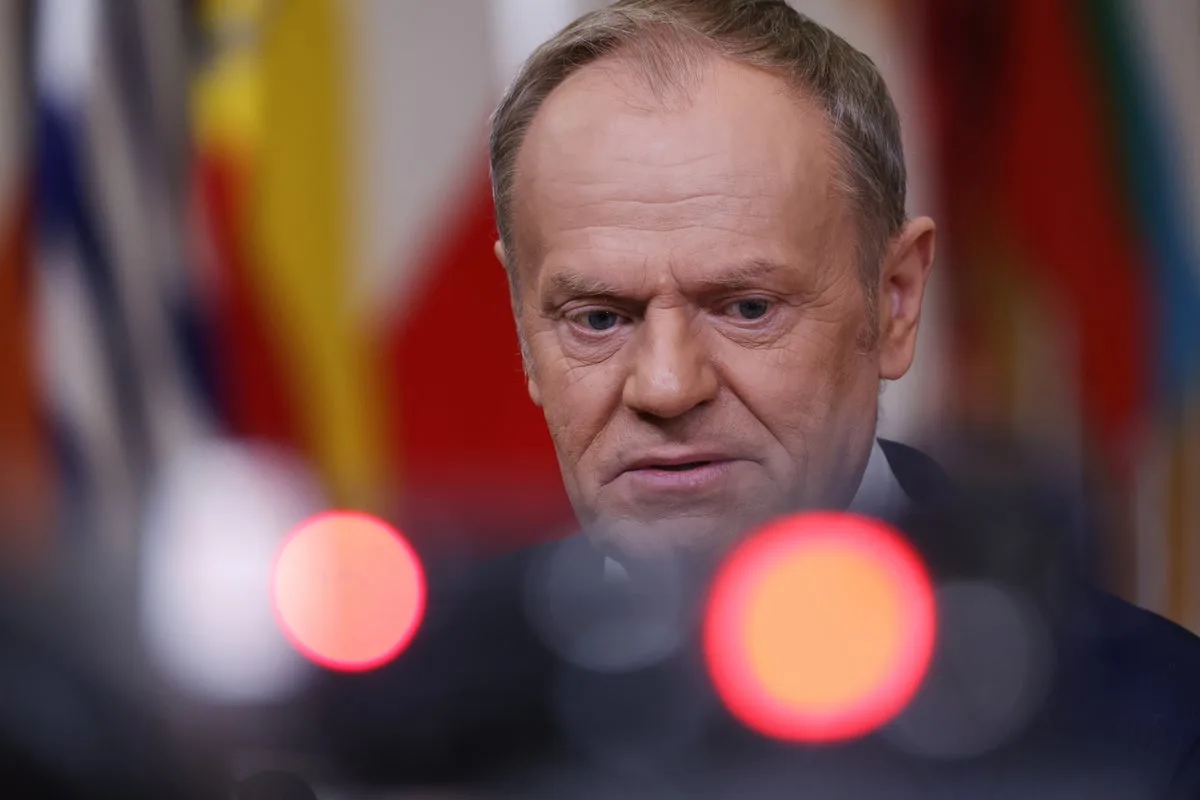
Polish authorities have announced a significant investigation into the recently released Jeffrey Epstein files, aiming to identify any potential Polish victims who may have been affected by the financier's network. Prime Minister Donald Tusk declared that Poland will thoroughly examine the extensive documentation to ensure no cases involving Polish children are overlooked.

Government Commitment to Uncovering Truth

Speaking after a government meeting on Tuesday, Prime Minister Tusk emphasized the moral imperative driving this investigation. "We cannot allow that any of the cases involving abuse of Polish children by the network of pedophiles and the organizer of this satanic circle, Mr. Epstein, be treated lightly," Tusk stated firmly. The Prime Minister referenced Epstein, who died by suicide in 2019 while awaiting trial on charges of sexually abusing underage girls at his properties across the United States.

The investigation comes as Poland joins other nations examining the Epstein documents released by the U.S. Department of Justice last week. These files contain over 3 million pages of documents, videos, and photographs that authorities believe may contain references to potential Polish victims.

Establishing Special Investigative Team

Prime Minister Tusk revealed that a dedicated team will be established to analyze the published documents systematically. This team will operate under the joint leadership of Poland's Minister of Justice and the minister responsible for secret services, ensuring comprehensive oversight of the sensitive material.

"There are more such leads," Tusk claimed, referring to specific information about individuals in Krakow who reportedly told Epstein they had access to groups of "women or girls" for him. While references to Poland appear in the newly released Epstein files, no direct links to prominent Polish politicians or explicit cases of abuse concerning Polish nationals have emerged publicly thus far.

International Dimensions and Russian Connections

In a surprising development, Prime Minister Tusk also expressed interest in investigating potential connections between Epstein and Russian secret services. "So far there are over 1,000 documents among those published which directly concern Vladimir Putin," Tusk noted, though he provided no specific evidence supporting concerns about Russian involvement.

Analysis of the released documents reveals that while Putin's name appears approximately 1,000 times in the records, the majority of these references consist of news articles or summaries of news stories shared by others, having no direct connection to the Epstein investigation. Occasional mentions of Putin in Epstein's personal email correspondence typically discuss how Russian policies might impact global financial markets.

Broader International Response

Poland's announcement follows similar moves by neighboring Baltic states, with both Latvia and Lithuania initiating their own investigations into the Epstein files on Tuesday. This coordinated regional response highlights growing international concern about the potential global reach of Epstein's network.

The Russian Embassy in Warsaw and the Russian foreign ministry have not yet responded to requests for comment regarding Prime Minister Tusk's statements about potential Russian connections to the Epstein case.

Legal Framework and Future Steps

Polish authorities have outlined a clear procedural approach to their investigation. If initial analysis of the documents reveals sufficient evidence, Poland will initiate a formal investigation and request additional documentation from United States authorities. This methodical approach ensures proper legal protocols are followed while maintaining international cooperation standards.

The investigation represents a significant commitment of Polish government resources to address potential historical abuses and demonstrates the country's determination to protect its citizens from international criminal networks, regardless of when the alleged offenses occurred.




