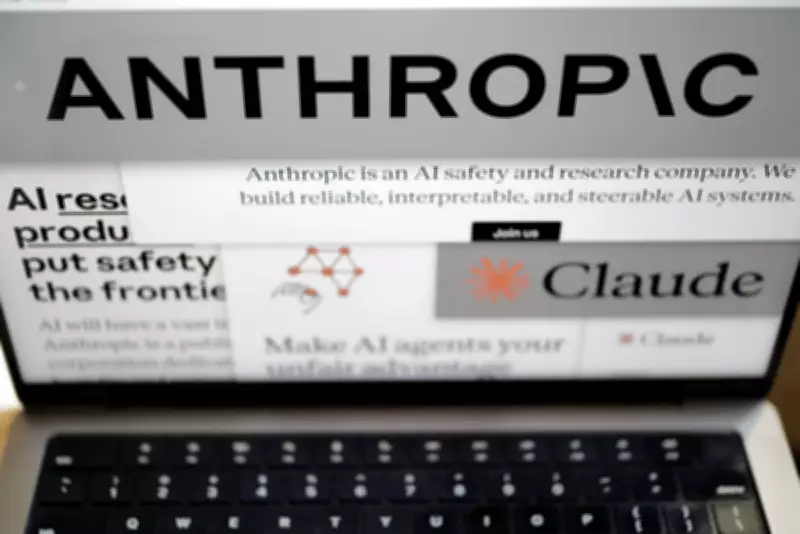
The Pentagon has issued a stark ultimatum to artificial intelligence company Anthropic, threatening to cancel a substantial $200 million contract and designate the firm as a 'supply chain risk' if it does not comply with demands to remove safety precautions from its AI model. This designation carries severe financial implications, potentially barring other vendors working with the US military from using Anthropic's products.
Anthropic's Ethical Stand Against Pentagon Demands
Anthropic has publicly declared that it "cannot in good conscience" accede to the Pentagon's request to grant unfettered access to its Claude AI model by disabling safety guardrails. The company's chief executive, Dario Amodei, emphasized in a statement that threats from Defense Secretary Pete Hegseth would not alter their position, expressing hope that Hegseth would "reconsider" the demands. Amodei stated, "Our strong preference is to continue to serve the Department and our warfighters – with our two requested safeguards in place. We remain ready to continue our work to support the national security of the United States."
Core of the Dispute: AI Safety and Military Use
At the heart of the conflict is a fundamental disagreement over the permissible uses of Anthropic's AI technology. The Pentagon insists on turning off safety features to allow any lawful application of Claude, while Anthropic resists enabling uses such as mass domestic surveillance or deployment in autonomous weapons systems capable of lethal action without human oversight. Amodei argued that employing AI for autonomous weapons and widespread surveillance exceeds the safe and reliable capabilities of current technology.

This standoff represents a critical test for Anthropic, which has positioned itself as a leader in AI safety among major firms. It also challenges the broader AI industry's willingness to resist government pressures for potentially controversial or lethal applications. The dispute has escalated after months of negotiations, with Hegseth reportedly setting a Friday deadline for Anthropic to agree or face punitive measures.
Background and Broader Implications
Anthropic, along with other tech giants like Google and OpenAI, secured a $200 million contract with the Department of Defense last July to integrate AI into military systems. What distinguishes Anthropic is its prior approval for use in the military's classified systems, a status recently extended to Elon Musk's xAI as well. Reports indicate that Anthropic's technology has already been utilized in military operations, such as the recent capture of Venezuelan leader Nicolás Maduro, underscoring the expanding role of AI in conflict scenarios.
The rise of autonomous weapons, including drones that operate independently after losing human connection, has amplified ethical concerns about AI in life-or-death situations. Anthropic and Amodei have been vocal advocates for AI regulation and safety, even as they engage with military contracts. However, this stance has clashed with Hegseth's agenda to eliminate "wokeness" from the armed forces and pursue aggressive military policies, highlighting a tension between technological ethics and defense priorities.
If the Pentagon proceeds with labeling Anthropic as a supply chain risk, typically reserved for foreign adversaries, it could devastate the company's business prospects within the defense sector. This move would not only impact Anthropic but also signal the high stakes involved in balancing innovation with ethical safeguards in the rapidly evolving field of artificial intelligence.