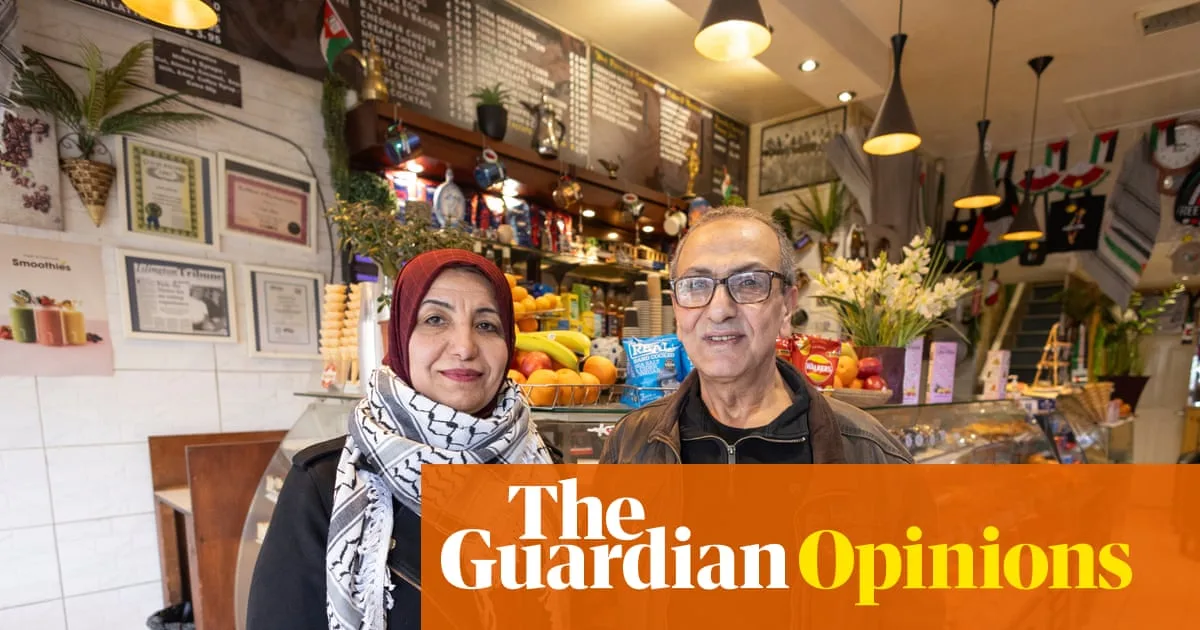
London Cafe's Palestinian Supper Club Becomes Symbol of Gaza War Resistance
Palestinian Cafe in London Becomes Symbol of Gaza War Resistance

London Cafe's Palestinian Supper Club Becomes Symbol of Gaza War Resistance

In the bustling streets of Archway, north London, a small Palestinian-owned cafe has transformed into an unexpected frontline in the Israel-Gaza conflict. Cafe Metro, run by Faten Sehwail and Mahmoud Ismail, has become a hub of cultural resistance through its popular supper clubs, serving traditional dishes like hummus, tabbouleh, and maqluba while raising funds for Gaza aid.

The intimate supper club, which began as a one-off fundraiser six months ago, now sells out weeks in advance. Proceeds directly support the hungry and homeless in Gaza, creating a tangible link between London diners and the humanitarian crisis thousands of miles away. For Faten, who moved to London in 2014 from Gaza, cooking her mother's recipes provides a vital connection to her heritage amid the destruction back home.

Gentrification and Corporate Competition Intensify Tensions

The cafe's peaceful existence has been challenged by the recent arrival of corporate chains in the neighborhood. A new branch of the upmarket bakery Gail's opened just two doors down from Cafe Metro, sparking controversy. Gail's parent company, Bain Capital, invests heavily in military technology, including Israeli security companies, leading critics to accuse the bakery of "corporate Zionism."

Wide Pickt banner — collaborative shopping lists app for Telegram, phone mockup with grocery list

Within days of its opening, Gail's was vandalized with red paint and had its windows smashed. Slogans condemning Bain Capital appeared on its walls, though no arrests have been made. The Board of Deputies of British Jews described the incident as part of a trend targeting Jewish presence in civil society, while local Palestinian groups denied involvement.

Small Acts of Defiance in an Age of Disenfranchisement

Cafe Metro itself has faced harassment from pro-Israel activists who regularly place provocative stickers on its windows. Islington council officers have reportedly attempted to force the removal of Palestinian flags from the premises. In this climate, simply existing as a Palestinian business in Western society has become an act of defiance.

Mahmoud Ismail maintains that Cafe Metro competes fairly through quality and pricing, noting their cappuccino costs £2.95 compared to Gail's £4.50. Yet the symbolic battle extends beyond commerce. As Palestinian activism struggles to influence global events, these local conflicts over food and space have become potent symbols of the wider conflict.

Food as Cultural Preservation and Political Statement

The supper club's traditional Palestinian dishes serve as both cultural preservation and political statement. In a world where Palestinian identity faces constant threat, these meals represent resilience. The communal dining experience creates solidarity among Londoners while directly supporting Gaza's most vulnerable.

As the war continues with no end in sight, Cafe Metro's story illustrates how global conflicts manifest in local communities. The battle between a small Palestinian cafe and corporate chains represents larger struggles over gentrification, cultural erasure, and economic justice. Through food, Faten and Mahmoud continue their quiet resistance, proving that sometimes the most powerful statements come not from protests or petitions, but from shared meals and community gathering.

Pickt after-article banner — collaborative shopping lists app with family illustration




